
Zwirnerei Hebebrand
Overview
In the heart of Wuppertal, Germany, lies Zwirnerei Hebebrand, a factory steeped in industrial heritage. This denkmalgeschütztes Fabrikgebäude, or listed factory building, stands as a significant representation of the region’s industrial past. The factory not only illustrates the evolution of textile manufacturing but also embodies the architectural styles that characterized the industrial revolution in Germany. With its historical significance and unique structure, Zwirnerei Hebebrand invites visitors to explore the legacy of an era that shaped the local economy and culture.
Visitors to this site can expect an engaging experience that goes beyond mere observation. As you delve into the history and craftsmanship of this factory, you will gain insights into the inner workings of a once-thriving industry. The journey through Zwirnerei Hebebrand offers a glimpse into the lives of those who contributed to the textile trade, making it a worthwhile destination for history enthusiasts and casual visitors alike.
History and Significance
Zwirnerei Hebebrand represents a crucial chapter in the narrative of Wuppertal’s industrial development. The factory was integral to the local economy, particularly in the textile sector, which played a pivotal role in the region’s growth during the industrial era. As the demand for textile products increased, factories like Zwirnerei Hebebrand emerged, providing jobs and stimulating economic activity.
The factory is not only an industrial site but also a cultural landmark. It serves as a reminder of the innovations and changes that occurred during a time when Wuppertal was becoming a bustling center for manufacturing. The significance of Zwirnerei Hebebrand extends beyond its production; it is a symbol of the craftsmanship and dedication of the workers who operated within its walls.
The preservation of such sites is vital for understanding the historical context of industrialization in Germany. By maintaining Zwirnerei Hebebrand, local authorities and heritage organizations ensure that future generations can appreciate the contributions of the textile industry to the region’s identity. This factory is more than just a building; it encapsulates the spirit of an era defined by hard work, innovation, and community.
Architecture and Features
Zwirnerei Hebebrand features distinct architectural elements that reflect the industrial style of its time. The building’s design exudes functionality, with a robust structure that was purpose-built for manufacturing. Large windows provide ample natural light, which was essential for the workers to carry out their tasks effectively. The layout of the factory is indicative of the manufacturing processes that once took place within, designed to optimize workflow and efficiency.
The exterior of the building showcases characteristics typical of industrial architecture, with a solid façade that emphasizes practicality. The use of durable materials speaks to the factory’s intended longevity. Although specific stylistic details may not be highlighted, the overall presence of Zwirnerei Hebebrand is one of strength and resilience, qualities that are synonymous with the industrial era.
Inside, the factory retains elements that reflect its historical usage, allowing visitors to visualize the bustling activity that once filled the space. The blend of functionality and historical context makes Zwirnerei Hebebrand a significant architectural site worth exploring.
Visiting Information
Visiting Zwirnerei Hebebrand offers an opportunity to engage with the industrial heritage of Wuppertal. To plan your visit effectively, it’s advisable to check the official website for current information regarding hours and prices, as these can vary.
Getting to Zwirnerei Hebebrand is relatively straightforward, with multiple transport options available in Wuppertal. Whether you choose to drive or use public transportation, the factory is accessible from various points within the city. Expect to spend a couple of hours exploring the site, depending on your interest level and engagement with the displays.
The best times to visit are during weekdays when the site is typically less crowded, allowing for a more intimate experience. If you’re interested in photography, early mornings or late afternoons can provide the best natural lighting.
Nearby Attractions
While Zwirnerei Hebebrand offers a unique glimpse into industrial heritage, Wuppertal has several other attractions that complement your visit:
- Wuppertaler Schwebebahn: This iconic suspended monorail provides a unique perspective of the city and is a must-see for visitors.
- Botmingen House: A historical building that provides insights into the architectural styles of the region.
- Wuppertal Zoo: A family-friendly destination that features a range of animal exhibits and beautiful parkland.
- Von der Heydt Museum: This museum offers a diverse collection of art, making it a great stop for culture enthusiasts.
These nearby attractions make for a well-rounded visit to Wuppertal, allowing you to delve deeper into the city’s rich history and culture.
Insider Tips
To enhance your experience at Zwirnerei Hebebrand, consider the following tips:
- Photography: Bring a camera to capture the unique architecture and industrial features of the factory. Early morning or late afternoon light can create stunning photographs.
- Crowd Avoidance: Plan your visit during weekdays to avoid larger crowds, ensuring a more peaceful exploration of the site.
Practical Information
When preparing for your visit to Zwirnerei Hebebrand, keep a few practical considerations in mind:
- What to Bring: Comfortable walking shoes are recommended, as you may explore both indoor and outdoor areas. A water bottle can also be beneficial.
- Seasonal Considerations: Check the weather forecast before your visit, as inclement weather may affect your experience.
Frequently Asked Questions
How long should I spend visiting?
Visitors typically spend about 1-2 hours at Zwirnerei Hebebrand to fully appreciate the site.
Is photography allowed?
Photography is generally permitted, but be mindful of any specific restrictions that may be in place.
Are there guided tours?
Information regarding guided tours can be found on the official website; it’s advisable to check ahead of your visit.
What’s the best time to visit?
Weekdays are usually less crowded, making them the best option for a more relaxed experience.
Is it wheelchair accessible?
Accessibility details can vary; check the official website for specific information regarding wheelchair access.
Can I buy tickets online?
For current ticket purchasing options, please check the official website.
Are there restrooms and cafes?
Restroom facilities may be available on-site; however, check the official website for specific amenities.
What should I wear?
Dress comfortably and appropriately for your visit, considering the weather and any potential outdoor exploration.
Zwirnerei Hebebrand stands as an important piece of Wuppertal’s industrial heritage, offering insights into the past that continue to resonate today. Whether you are a history buff, architecture enthusiast, or simply curious about the region, a visit to this factory will enrich your understanding of the area’s cultural landscape.
More in North Rhine-Westphalia

Aachen Cathedral
📍 North Rhine-Westphalia, Germany
Aachen Cathedral, a magnificent Roman-Catholic structure located in the historic city of Aachen, Germany, is a masterpiece of architectural design and …

Aachen Cathedral Treasury
📍 North Rhine-Westphalia, Germany
Aachen Cathedral Treasury, located in the historic city of Aachen, Germany, is a remarkable art museum that houses an impressive collection of …

Aachen Chapel of Hungary
📍 North Rhine-Westphalia, Germany
The Aachen Chapel of Hungary, a significant part of the Aachen Cathedral complex in Germany, serves as an emblem of the cultural exchange between …

Aachen-Rothe Erde station
📍 North Rhine-Westphalia, Germany
Aachen-Rothe Erde station serves as a crucial node in the intricate web of Germany’s railway network, located in the vibrant city of Aachen. This …

Aachener Tierpark Euregiozoo
📍 North Rhine-Westphalia, Germany
The Aachener Tierpark Euregiozoo, located in the heart of Aachen-Mitte, Germany, is a captivating destination for animal lovers and families alike. …

Abtei Mariendonk
📍 North Rhine-Westphalia, Germany
Abtei Mariendonk, a serene monastery located in the tranquil region of Grefrath, Germany, invites visitors to explore its spiritual and architectural …
More Factories
A. Heucke
📍 Lower Saxony, Germany
A. Heucke, located in the historic town of Gatersleben in Germany’s Seeland region, represents a significant chapter in the story of industrial …
Adam Opel AG Werk Bochum I
📍 Lower Saxony, Germany
The Adam Opel AG Werk Bochum I, located in Germany, represents a significant chapter in the history of industrial production. This former production …
Adam Opel AG Werke Bochum II/III
📍 Lower Saxony, Germany
Adam Opel AG Werke Bochum II/III is a distinguished factory located in Germany, playing a significant role in the automotive industry. This site is …
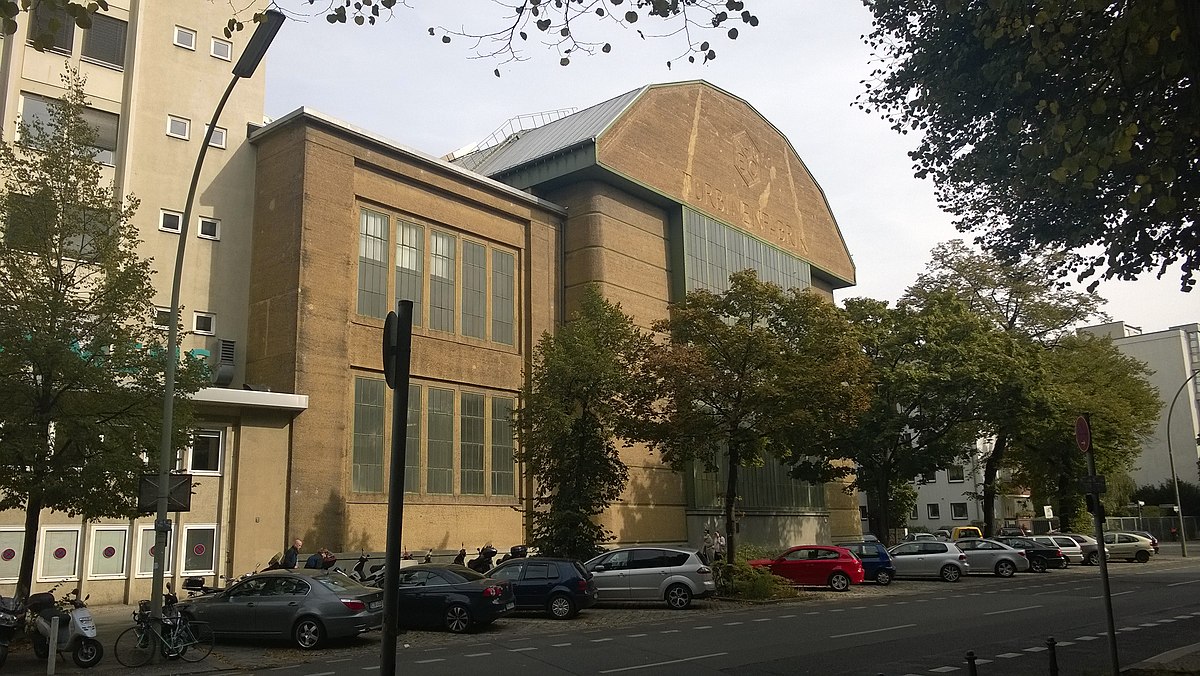
AEG's Turbine factory
📍 Berlin, Germany
The AEG Turbine Factory, an iconic structure in Berlin’s Bezirk Mitte, is a significant landmark that reflects the industrial heritage of the city. …
AKA-Radiergummifabrik
📍 Lower Saxony, Germany
The AKA-Radiergummifabrik, a significant former factory located in Hannover, Germany, offers a unique glimpse into the industrial past of the region. …

Alte Malzfabrik
📍 Lower Saxony, Germany
Alte Malzfabrik, located in Mülheim an der Ruhr, Germany, is an intriguing factory site that encapsulates the industrial heritage of the region. This …