Overview
The Zollern II/IV Colliery stands as a remarkable representation of Germany’s industrial heritage, located in Dortmund, a city that played a pivotal role in the country’s coal mining history. This colliery, an integral part of the Ruhr area’s industrial landscape, offers visitors a glimpse into the life of miners and the technological advancements of the coal mining industry. As you explore this site, you will be transported into the depths of Germany’s industrial past, where coal mining was not just an economic activity, but a way of life that shaped the culture and community of the region.
With its impressive architecture and rich history, Zollern II/IV is more than just a mine; it is a testament to the ingenuity of industrial engineering and the resilience of the communities that depended on it. Designed with a blend of functionality and aesthetic appeal, the colliery features notable structures that have been preserved to highlight their historical significance. The site now serves as a cultural venue, offering a unique experience for both history enthusiasts and casual visitors alike.
As you prepare to delve into the stories and features of the Zollern II/IV Colliery, anticipate a captivating experience that intertwines industrial achievements with cultural narratives, making it a must-visit destination for those interested in the evolution of industry and society in Germany.
History and Significance
The Zollern II/IV Colliery has been a vital part of Dortmund’s industrial landscape, reflecting the broader narratives of the Ruhr area’s coal mining industry. While specific dates and events may not be available, the colliery’s origins can be traced back to the late 19th century when coal mining was at its peak in Germany. The coal industry played a crucial role in fueling the country’s economic growth during the Industrial Revolution, providing energy for factories and homes alike.
The colliery’s impact extends beyond its economic contributions; it also shaped the social fabric of the region. Mining communities often formed around these operations, leading to a distinctive culture that was characterized by a strong sense of solidarity among workers and their families. The Zollern II/IV Colliery not only provided livelihoods but also fostered a sense of identity and pride among the miners.
As the demand for coal waned in the latter half of the 20th century, many mines in the Ruhr area were closed, leading to significant economic and social changes. Zollern II/IV, however, was preserved as a historical site, reflecting not only the technological advancements of its time but also the stories of the people who worked there. Today, it serves as a museum and cultural space, ensuring that the memories of the miners and their contributions are not forgotten.
The preservation of Zollern II/IV is significant not only for its architectural value but also for its role in educating future generations about industrial history and the importance of sustainable practices. The site stands as a reminder of the challenges and triumphs of the mining industry, making it a vital part of Germany’s heritage.
Architecture and Features
The architecture of the Zollern II/IV Colliery is a striking example of industrial design, characterized by functional structures that exhibit a unique aesthetic. The colliery features an impressive headframe, which is often regarded as the symbol of coal mining. This structure, designed to hoist coal from the depths below, is not only vital for its operational purpose but also serves as an iconic landmark that represents the colliery’s historical significance.
Visitors will notice the well-preserved buildings that showcase the industrial style of the era. The façades are adorned with various architectural elements that reflect the blend of functionality and craftsmanship prevalent in late 19th-century industrial design. The use of red brick and ironwork in the construction enhances the visual appeal, making the colliery a standout site within the region.
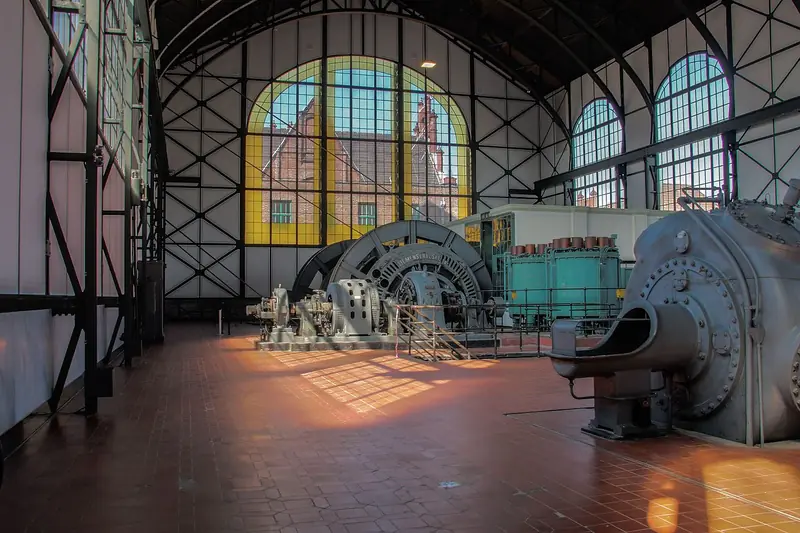
Inside, the colliery has been transformed into an educational space, where exhibits highlight the history of coal mining, the workings of the colliery itself, and the lives of the miners. The layout allows for an immersive experience, providing insights into the challenges faced by workers and the technological innovations that defined their daily lives.
In addition to the headframe, other notable features include the winding tower and the coal preparation areas, which have been maintained to showcase the machinery and processes used in coal extraction and processing. The combination of these structures and the surrounding landscape creates a unique industrial heritage site that attracts visitors from various backgrounds.
Visiting Information
Visiting the Zollern II/IV Colliery offers a chance to engage with Germany’s industrial heritage firsthand. The site is accessible via public transportation, with several options available for those coming from different parts of Dortmund. For the most convenient experience, check the official website for detailed information on routes and schedules.
Upon arrival, visitors can expect a well-organized visitor center that provides helpful information and resources about the site. Guided tours are often available, allowing you to gain deeper insights into the colliery’s history, architecture, and significance. Check the official website for current information on tour availability, hours, and ticket prices.
A visit typically requires around two to three hours, which includes time to explore the exhibits, take guided tours, and appreciate the architecture. To fully enjoy the experience, consider visiting during weekdays or off-peak hours to avoid larger crowds. The colliery may also host special events and exhibitions throughout the year, so be sure to check the calendar on the official website for any happenings during your visit.
Best times to visit are generally during the spring and autumn months when the weather is mild, making the outdoor areas more enjoyable. However, the site is open year-round, offering a unique perspective of the colliery’s features in different seasons.
Nearby Attractions
While visiting Zollern II/IV Colliery, you might want to explore some of the nearby attractions that complement your experience of Dortmund’s industrial heritage:
German Mining Museum (Deutsches Bergbau-Museum): Located in Bochum, this museum is one of the largest of its kind in the world, providing extensive insights into mining history, techniques, and technology.
Dortmund U-Tower: A cultural center and landmark of Dortmund, this former brewery has been transformed into a hub for contemporary art and design, offering exhibitions and events.
Rombergpark: A beautiful botanical garden in Dortmund, perfect for a leisurely stroll amidst nature and a peaceful retreat from the industrial surroundings.
Signal Iduna Park: The home of Borussia Dortmund, this stadium is an iconic sports venue, offering tours that allow fans and visitors to learn about the team’s history and achievements.
Museum of Art and Cultural History: This museum showcases a diverse collection of art and artifacts, reflecting the cultural history of Dortmund and the surrounding region.
Insider Tips
For photography enthusiasts, Zollern II/IV Colliery provides numerous opportunities to capture its industrial beauty. Early morning or late afternoon light often enhances the structures’ features, creating dramatic shadows and highlights. Be mindful of any restrictions on photography inside specific exhibits, and respect the guidelines provided by site staff.
To avoid larger crowds, plan your visit during weekdays or aim for later afternoon hours. This will allow you to enjoy a more intimate experience as you explore the colliery and its exhibits.
If you’re interested in gaining a comprehensive understanding of the site’s history, consider joining a guided tour, as knowledgeable guides can provide valuable insights and answer any questions you may have.
Practical Information
When visiting Zollern II/IV Colliery, it’s advisable to wear comfortable footwear, as you will be exploring various areas of the site, some of which may involve walking on uneven surfaces. Weather conditions can vary, so dress in layers to accommodate changes throughout the day.
Bringing a water bottle and light snacks can enhance your experience, especially if you plan to spend a few hours exploring the site. Check the official website for information regarding available facilities, including restrooms and any on-site cafes.
Seasonal considerations are also important—spring and autumn tend to offer the most pleasant weather for outdoor exploration, while winter may bring colder temperatures. Regardless of the season, be prepared for a fascinating visit that connects you with the rich industrial heritage of Germany.
Frequently Asked Questions
How long should I spend visiting?
A visit typically takes two to three hours, depending on whether you choose to join a guided tour or explore at your own pace.
Is photography allowed?
Photography is generally permitted, but be sure to check for any specific restrictions within certain exhibits or areas of the site.
Are there guided tours?
Yes, guided tours are often available and provide in-depth insights into the history and significance of the colliery.
What’s the best time to visit?
The best times to visit are typically during weekdays and off-peak hours. Spring and autumn offer the most pleasant weather for exploring.
Is it wheelchair accessible?
Check the official website for detailed information on accessibility options available at the site.
Can I buy tickets online?
Check the official website for current information regarding ticket sales and options for purchasing online.
Are there restrooms and cafes?
Facilities, including restrooms and cafes, are generally available on-site, but it’s best to confirm details on the official website before your visit.
What should I wear?
Wear comfortable footwear suitable for walking, and dress in layers to accommodate changing weather conditions.