Zionskirche (Düsseldorf)
Overview
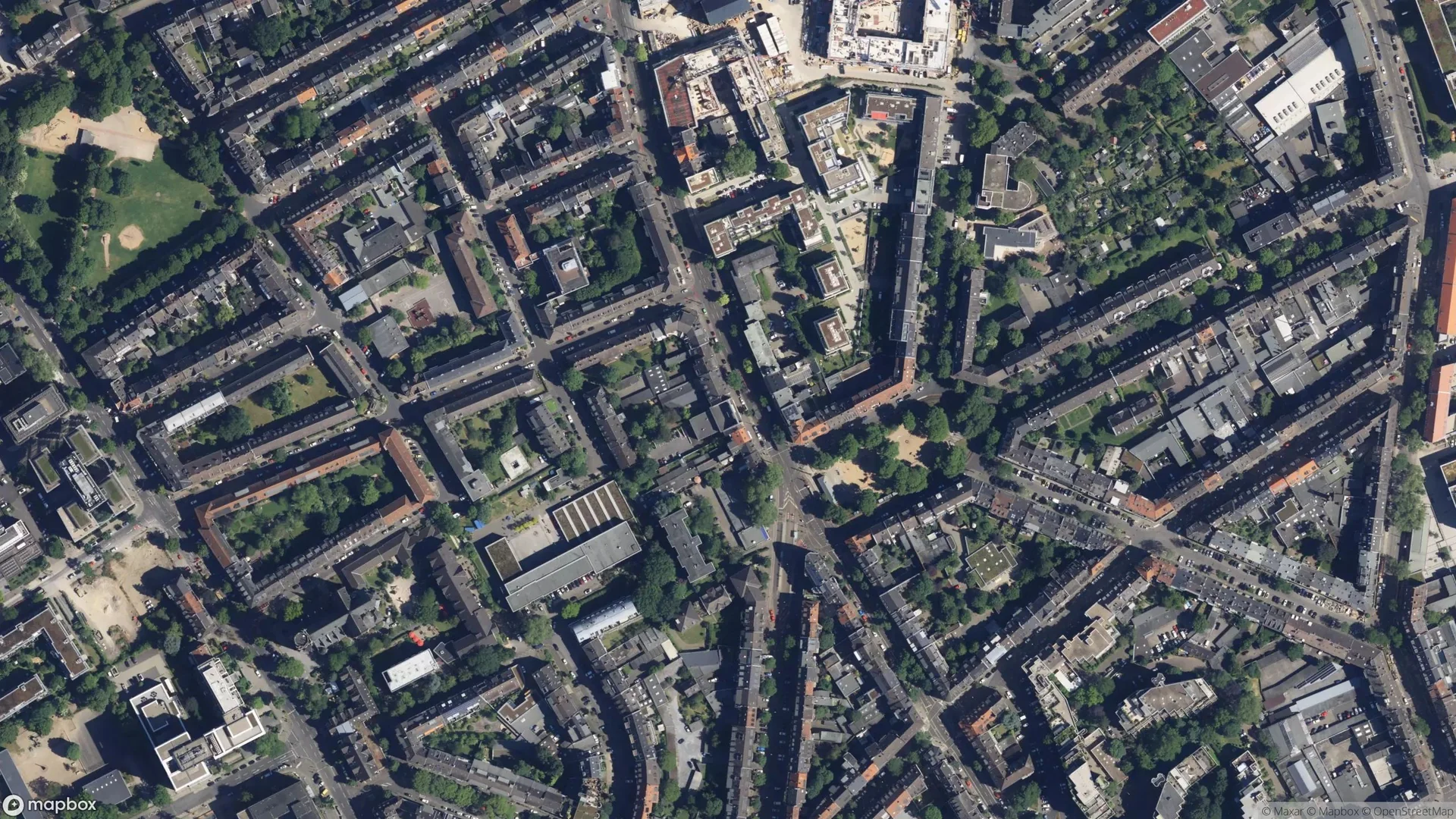
In the heart of Düsseldorf, Zionskirche stands as a striking example of brutalist architecture, capturing the attention of both locals and visitors alike. This church, crafted from concrete, presents a unique aesthetic that contrasts sharply with the surrounding urban landscape. Its bold design invites curiosity and reflection, making it a notable landmark in the city.
Located in the bustling region of Düsseldorf, the church is part of a vibrant area characterized by modern buildings and lively streets. As you approach Zionskirche, you’ll notice the blend of contemporary life and historical significance that defines this part of Germany. The church not only serves a religious purpose but also acts as a cultural touchstone for the community.
Visitors to Zionskirche can expect to immerse themselves in a space that embodies both artistic innovation and communal spirit. From its architectural features to its role in the local community, this church offers a deeper understanding of the values and beliefs that shape Düsseldorf today.
History and Significance
Zionskirche has roots that delve into the rich tapestry of Düsseldorf’s religious and cultural history. Constructed under the guidance of architect Lothar Kallmeyer, this church reflects significant architectural trends over the decades. While specific dates are not available, its design showcases the evolution of church architecture within the context of modernity.
The church is significant not only for its architectural style but also for its role in fostering community engagement and spiritual reflection. It serves as a place where individuals come together to worship, celebrate, and find solace, highlighting its importance in the lives of many residents.
Over the years, Zionskirche has witnessed various transformations and adaptations, mirroring broader societal changes. Its presence continues to resonate within the community, making it a vital part of Düsseldorf’s cultural landscape.
Architecture and Features
Zionskirche is a notable example of brutalist architecture, characterized by its use of concrete as a primary material. This choice reflects a deliberate move away from traditional styles, embracing a raw aesthetic that emphasizes functionality and form. Visitors will find that the church’s exterior is marked by clean lines and bold geometric shapes, which create an imposing yet inviting presence.
Inside, the architecture continues to impress with its minimalist design and open spaces that encourage contemplation. The layout is designed to foster a sense of community, allowing congregants to engage with one another during services and events. The use of natural light plays a key role in enhancing the interior atmosphere, creating a serene environment conducive to reflection.
As you explore Zionskirche, pay attention to the intricate details that highlight its architectural significance. Each element serves to reinforce the church’s identity as a modern spiritual haven amidst an evolving urban backdrop.
Visiting Information
Getting to Zionskirche is straightforward, with various transport options available in Düsseldorf. Public transportation offers convenient access, making it easy for visitors to reach this iconic landmark.
Hours: Check the official website for current opening hours.
Prices: Visit the official website for current admission prices.
When you arrive at Zionskirche, expect an environment that encourages reflection and connection. The church welcomes visitors from all walks of life, whether you are there for worship or simply to admire its architectural beauty. A visit typically requires about one to two hours to fully appreciate its features and ambiance.
For those planning their visit, consider coming in the morning when crowds are lighter, allowing for a more personal experience. Spring and fall offer pleasant weather, making these seasons ideal for exploration.
Accessibility is an important consideration at Zionskirche; check with the site directly for the latest information regarding facilities for visitors with mobility needs.
Nearby Attractions
While in Düsseldorf, several nearby attractions complement your visit to Zionskirche:
Königsallee: Known locally as ‘Kö,’ this upscale shopping street is lined with luxury boutiques and cafes. Strolling along this picturesque avenue provides an excellent opportunity for people-watching and enjoying the vibrant city atmosphere.
Rheinuferpromenade: This scenic riverside promenade offers stunning views of the Rhine River and is perfect for leisurely walks or cycling. It features numerous cafes and restaurants where you can relax while soaking in the surroundings.
Museum Kunstpalast: Art enthusiasts will appreciate this museum’s diverse collection, ranging from classical paintings to contemporary art. It often hosts temporary exhibitions that showcase both local and international artists.
Schloss Benrath: A short distance from the city center, this baroque palace is surrounded by expansive gardens. The estate is perfect for those interested in history and architecture, providing insight into 18th-century life.
Düsseldorf Altstadt: Known as ’the longest bar in the world,’ this historic district is filled with pubs and breweries. It’s a great place to experience local culture and sample traditional German cuisine.
Insider Tips
To capture the essence of Zionskirche through photography, visit early in the morning or late afternoon when natural light enhances its architectural features. Seek out angles that highlight the contrast between the church’s bold concrete structure and the surrounding urban environment.
Look closely at lesser-known details within the church—such as unique textures or light patterns—that may go unnoticed by casual visitors. These elements add depth to your understanding of its design philosophy.
To avoid crowds, consider visiting on weekdays rather than weekends when services may draw larger groups. Engaging with local parishioners can also enrich your experience as they share insights about the church’s role in their lives.
Lastly, take a moment to explore the nearby area after your visit. The surrounding streets are filled with cafes and shops where you can relax and reflect on your experience at Zionskirche.
Practical Information
Visiting Zionskirche provides an opportunity for both spiritual reflection and architectural appreciation. Here are some practical tips for your visit:
- Bring a camera to capture the striking architectural features.
- Dress comfortably; while there may be no formal dress code, respectful attire is encouraged.
- Be mindful of seasonal considerations; check weather forecasts to ensure a pleasant visit.
- Consider exploring nearby attractions after your visit to maximize your time in Düsseldorf.
- If you plan to visit during peak tourist seasons, it may be wise to arrive early to secure your spot.
Frequently Asked Questions
How long should I spend visiting?
You should plan to spend about one to two hours exploring Zionskirche. This allows ample time to appreciate its architectural features and enjoy a moment of reflection.
Is photography allowed inside?
Photography policies can vary, so it’s best to check with staff upon arrival. Generally, personal photography is welcomed as long as it does not disturb others.
Are there guided tours available?
Currently, guided tours may not be available at Zionskirche. However, self-guided exploration allows you to engage with the space at your own pace.
What’s the best time of day to visit?
Visiting in the morning typically results in fewer crowds, providing a more serene atmosphere for reflection and exploration.
Is the site wheelchair accessible?
Accessibility information may change; contact the site directly for the latest details regarding facilities for visitors with mobility needs.
Can I buy tickets online?
Check the official website for information regarding ticket purchasing options and availability before your visit.
Are there facilities like restrooms and cafes?
Facilities may be limited within Zionskirche; it’s advisable to inquire upon arrival about available amenities.
What should I wear when visiting?
While there is no strict dress code, wearing respectful attire is recommended as a sign of reverence for the space and its purpose.
More in North Rhine-Westphalia

Aachen Cathedral
📍 North Rhine-Westphalia
Imagine standing before a structure that has witnessed over a millennium of history, its majestic silhouette dominating the skyline of Aachen, Germany. ...

Cologne Cathedral
📍 North Rhine-Westphalia
The Cologne Cathedral, or Kölner Dom, is an architectural marvel that captivates millions of visitors each year. Towering at 157 meters, it is the talle...
Alexandra-Kirche
📍 North Rhine-Westphalia
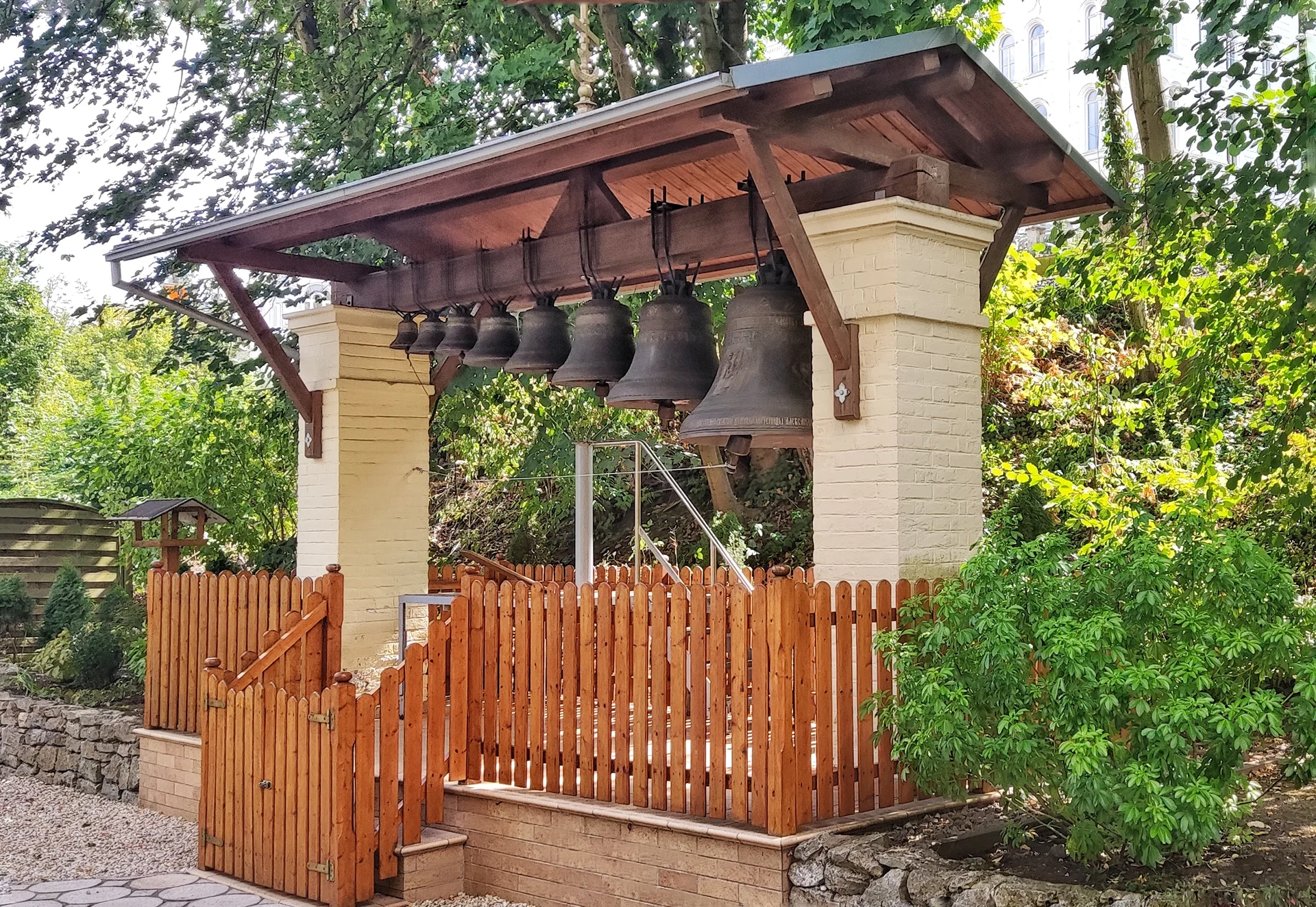
The Alexandra-Kirche, a striking example of Byzantine architecture, stands proudly in the heart of Bad Ems, a charming town in Rhineland-Palatinate, Ger...
Alt St. Alban
📍 North Rhine-Westphalia
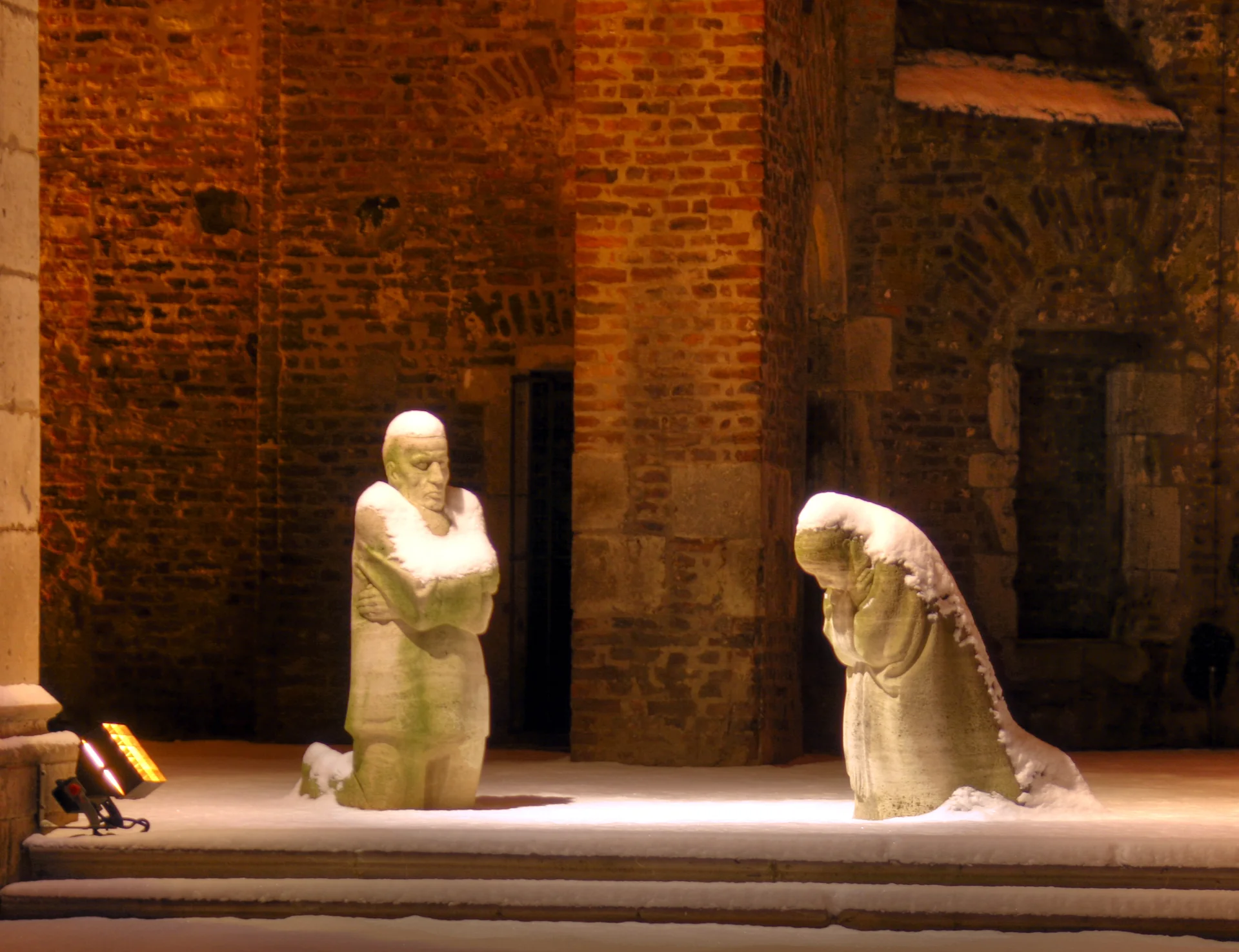
In the heart of Colognes Altstadt-Nord district, Alt St. Alban emerges as a striking example of Gothic architecture, offering a glimpse into the region’...