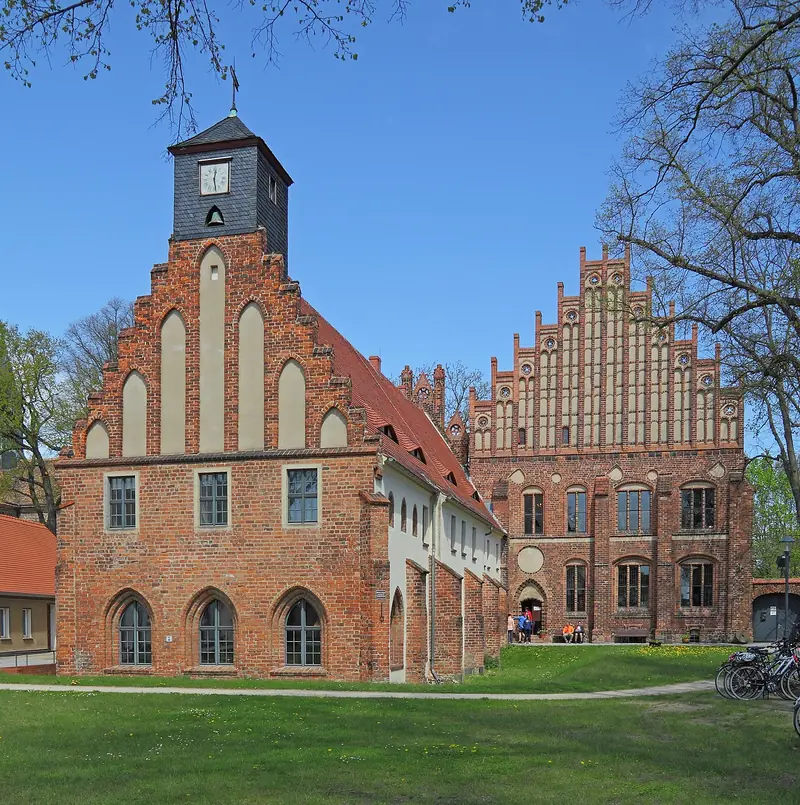
Overview
Zinna Abbey, located in the town of Jüterbog, Germany, is a former monastery that invites visitors to explore its historical and architectural significance. This religious site, deeply rooted in the cultural landscape of the region, is a notable example of monastic life that flourished in medieval Europe. With its serene surroundings and intriguing history, Zinna Abbey offers a unique glimpse into the practices and daily lives of those who once resided within its walls.
As a former monastery, Zinna Abbey played a critical role in the spiritual and social life of the community, serving not only as a place of worship but also as a center for learning and agriculture. The abbey’s enduring architecture stands as a reminder of the monastic traditions that shaped the area, providing an alluring destination for history enthusiasts and casual travelers alike. Visitors will find themselves immersed in the tranquil atmosphere that permeates this significant site, making Zinna Abbey a worthwhile stop on any heritage travel itinerary in Germany.
History and Significance
While the exact founding date of Zinna Abbey is not specified, its significance in the religious and cultural fabric of the region is well recognized. The abbey was established during a time when monasteries were pivotal in establishing agricultural practices and providing educational opportunities. Monastic life was characterized by a commitment to spiritual devotion, communal living, and the cultivation of land, which contributed to the economic stability of the surrounding areas.
Zinna Abbey is part of a broader tradition of Cistercian monasteries that emerged across Europe, known for their adherence to the Rule of Saint Benedict, which emphasized prayer, work, and communal living. The abbey housed a community of monks dedicated to these principles, who engaged in various agricultural ventures that helped sustain the monastery and its inhabitants.
Throughout its history, Zinna Abbey has witnessed a number of social and political changes, particularly during periods of reform and upheaval in Germany. The dissolution of monasteries in the 16th century, driven by the Reformation, marked a significant turning point for Zinna Abbey, like many other religious institutions. However, the structure and its heritage have endured, continuing to attract visitors interested in the monastic tradition and the historical narratives intertwined with it.
Today, Zinna Abbey serves as a cultural landmark, symbolizing the historical legacy of monastic life in Germany. Its preservation allows visitors to engage with the past and appreciate the role that such institutions played in shaping the societal landscape of their time.
Architecture and Features
The architecture of Zinna Abbey reflects the monastic style prevalent in its era. Characterized by simplicity and functionality, the abbey’s design emphasizes the spiritual focus of its inhabitants. The layout typically includes a church, cloisters, and living quarters for the monks, although specific architectural details may not be extensively documented.
Visitors to Zinna Abbey can expect to see features that highlight the Cistercian architectural style, which often includes elements such as arched doorways, vaulted ceilings, and a harmonious relationship between the interior and exterior spaces. The abbey’s church, a central component of the monastery, would have served as the primary space for worship and communal gatherings.
The surrounding grounds of Zinna Abbey provide a peaceful environment, conducive to reflection and exploration. The historical significance of the site is enhanced by the remnants of gardens and agricultural practices that may have been utilized by the monks, underscoring the connection between spirituality and nature in monastic life.
Overall, Zinna Abbey stands as an exemplary representation of monastic architecture, embodying the principles of simplicity and purpose that defined Cistercian communities. The combination of its historical context and architectural features creates an engaging experience for visitors eager to learn more about monastic heritage.
Visiting Information
Visiting Zinna Abbey offers a chance to immerse oneself in the serenity of its historical surroundings. Although specific hours of operation and ticket prices are not provided, it is advisable to check the official website for current information prior to planning your visit.
When traveling to Zinna Abbey, public transportation options may be available, allowing easy access from major cities or nearby towns. For those driving, ensure that you adhere to any parking regulations in place.
Expect to spend approximately one to two hours exploring the abbey, allowing time for both guided tours and personal reflection. The tranquil atmosphere encourages visitors to take their time as they wander through the grounds and appreciate the architectural details.
The best times to visit are typically during the spring and early autumn months, when the weather is mild, allowing for a more enjoyable outdoor experience. Additionally, these seasons can bring fewer crowds, providing a more intimate exploration of the site.
Nearby Attractions
While Zinna Abbey itself is a captivating destination, several nearby attractions can enhance your visit to the region:
Jüterbog Town Center: A short distance from the abbey, this charming town offers quaint streets, historical buildings, and local shops, perfect for a leisurely stroll or a meal.
St. Nicholas Church: Located within Jüterbog, this church highlights Gothic architecture and serves as a significant religious site in the area.
Zinna Airfield: For aviation enthusiasts, this nearby airfield hosts various events and air shows, providing an interesting contrast to the historical serenity of the abbey.
Biosphere Reserve Schorfheide-Chorin: A bit further out, this nature reserve offers beautiful landscapes and opportunities for hiking and wildlife observation, ideal for nature lovers.
Historic Town of Wittenberg: Known for its ties to Martin Luther, Wittenberg is a UNESCO World Heritage site featuring numerous historical landmarks and museums related to the Reformation.
Insider Tips
For those planning a visit to Zinna Abbey, consider bringing a camera to capture the architectural beauty and serene landscape. While photography is permitted, be mindful of any specific guidelines provided on-site regarding flash photography or restricted areas.
To avoid crowds, aim to visit during weekday mornings when foot traffic is typically lighter. This will allow for a more peaceful experience as you explore the abbey and its surroundings.
Practical Information
When visiting Zinna Abbey, it’s advisable to wear comfortable footwear suitable for walking, as the grounds may involve some uneven surfaces. Additionally, consider bringing a light jacket or sweater, especially during cooler months, as the weather can be unpredictable.
Seasonal considerations include the potential for increased visitors during summer months, so plan accordingly to ensure a pleasant experience. Accessibility information may vary, so checking the official website ahead of time can provide clarity on wheelchair access and any available amenities.
Frequently Asked Questions
How long should I spend visiting?
Visitors typically spend around one to two hours at Zinna Abbey to fully appreciate the site and its surroundings.
Is photography allowed?
Photography is permitted at Zinna Abbey, but it’s advisable to respect any guidelines regarding flash and specific areas.
Are there guided tours?
Guided tours may be available, but check the official website for specifics regarding scheduling and availability.
What’s the best time to visit?
Spring and early autumn offer mild weather and fewer crowds, making them ideal for a visit.
Is it wheelchair accessible?
Accessibility information may vary, so it is best to check the official website for the most up-to-date details regarding wheelchair access.
Can I buy tickets online?
For ticket purchasing options, including online availability, please refer to the official website.
Are there restrooms and cafes?
Facilities such as restrooms may be available, but it’s advisable to check the official site for confirmation. Café options may also vary.
What should I wear?
Comfortable footwear is recommended for exploring the grounds, along with weather-appropriate clothing depending on the season.