
Zentrale Kriegsgräberstätte des 1. und 2. Weltkriegs Frankfurt
Overview
The Zentrale Kriegsgräberstätte des 1. und 2. Weltkriegs in Frankfurt (Oder) serves as a solemn memorial dedicated to the victims of the First and Second World Wars. Located in the eastern part of Germany, this site is not only a resting place for soldiers but also a poignant reminder of the conflicts that shaped modern Europe. This memorial invites visitors to reflect on the impact of war, remembrance, and peace, underscoring the importance of honoring those who sacrificed their lives during these turbulent times.
As you approach the memorial, the serene landscape envelops you, setting a respectful tone for your visit. The site is designed to accommodate those wishing to pay their respects in a tranquil environment, making it a significant destination for history enthusiasts, scholars, and anyone seeking to understand the profound effects of global conflicts. The memorial stands as a crucial point of interest for those looking to explore Germany’s complex past while fostering a message of reconciliation and remembrance.
History and Significance
The Zentrale Kriegsgräberstätte des 1. und 2. Weltkriegs has been established to honor the memory of soldiers who lost their lives during the two World Wars. The significance of this site lies not only in its role as a burial ground but also as a place of reflection and contemplation on the consequences of war. Memorials like this one serve as important cultural landmarks, providing insight into the historical narrative of Germany and its journey through the 20th century.
The creation of war graves and memorials across Europe emerged as a vital response to the devastation experienced during the World Wars. These sites were established to ensure that the memories of those who sacrificed their lives would not be forgotten. The Zentrale Kriegsgräberstätte serves this purpose by providing a space for families, veterans, and the general public to honor those who fought and died. It is a reminder of the need for peace and the importance of remembering history to prevent the repetition of past mistakes.
As visitors explore the memorial, they are encouraged to reflect on the themes of sacrifice and the impact of conflict on humanity. This memorial, like many others across Germany, plays a crucial role in fostering dialogue about the past and promoting a commitment to peace in the future.
Architecture and Features
The architectural design of the Zentrale Kriegsgräberstätte des 1. und 2. Weltkriegs is characterized by its simplicity and solemnity, which are fitting for a site of remembrance. The layout is thoughtfully arranged to create a sense of tranquility, allowing visitors to engage with the memorial in a contemplative manner. The graves are meticulously maintained, reflecting the respect afforded to those interred here.
Notable features include carefully arranged gravestones that bear the names and ranks of the soldiers, serving as a poignant reminder of their individual stories. The site is surrounded by well-kept greenery, enhancing the peaceful atmosphere and providing a natural setting for remembrance. Additionally, there are areas designated for reflection, which invite visitors to pause and consider the broader implications of the conflicts commemorated here.
The memorial is designed not only for remembrance but also for education, encouraging visitors to learn about the historical context of the wars and the personal stories of those who served. This blend of architecture and meaning creates an impactful experience for all who visit.
Visiting Information
To visit the Zentrale Kriegsgräberstätte des 1. und 2. Weltkriegs, various transportation options are available. Visitors can access the site via public transportation, with nearby bus services facilitating easy arrival. For those driving, parking may be available close to the entrance, although it’s advisable to check the official website for current information regarding accessibility and parking facilities.
The memorial is designed to accommodate visitors year-round, but specific visiting hours and any potential entrance fees are subject to change. Therefore, it is essential to check the official website for details on current hours and any costs associated with visiting.
Typically, visitors can expect to spend about one to two hours exploring the site. The best times to visit may vary, but early mornings or late afternoons could provide a quieter experience, allowing for deeper reflection amidst fewer crowds.
Nearby Attractions
While the Zentrale Kriegsgräberstätte is a significant destination in itself, several nearby attractions provide additional context and opportunities for exploration:
Frankfurt (Oder) City Center: Just a short distance away, the city center offers a mix of historical architecture and modern amenities, including cafes and shops.
St. Mary’s Church (Marienkirche): An impressive Gothic-style church located in the heart of Frankfurt (Oder), known for its stunning architecture and historical significance.
Oder River Promenade: This scenic area along the river provides a pleasant walking path, perfect for a reflective stroll after visiting the memorial.
Cultural Centre Frankfurter Tor: A venue that hosts exhibitions and cultural events, allowing visitors to engage more deeply with the region’s history and culture.
Museum Viadrina: Situated nearby, this museum offers insights into the history of the region, including its role during the World Wars and beyond.
Insider Tips
When visiting the Zentrale Kriegsgräberstätte, consider the following tips to enhance your experience:
Photography: While taking photographs is generally permitted, be mindful of the solemn atmosphere. Focus on capturing the essence of the memorial without disturbing the reflective environment.
Crowd Avoidance: To enjoy a quieter visit, aim to come during weekdays or off-peak hours. Early mornings or late afternoons often see fewer visitors.
Engagement: Take time to read the inscriptions on the gravestones and reflect on the stories they tell. Engaging with the history can deepen your understanding of the site’s significance.
Practical Information
Before your visit to the Zentrale Kriegsgräberstätte, consider the following practical information:
What to Bring: Comfortable walking shoes are recommended, as the site involves walking through various areas. Bringing a camera can help capture the experience, but be respectful of the environment.
Seasonal Considerations: The memorial is open year-round, but visiting during the spring or autumn may offer milder weather and beautiful scenery. Be prepared for varying conditions, especially in winter.
Respectful Behavior: As a memorial site, maintaining a respectful demeanor is essential. Silence and reflection are encouraged, allowing you and others to honor the memories of those who are commemorated here.
Frequently Asked Questions
How long should I spend visiting?
Most visitors spend between one to two hours at the memorial, allowing time for reflection and exploration.
Is photography allowed?
Yes, photography is generally permitted, but be respectful of the solemn atmosphere and fellow visitors.
Are there guided tours?
Currently, specific guided tours may not be offered, so check the official website for any updates regarding educational programs.
What’s the best time to visit?
Early mornings or late afternoons during weekdays are typically quieter times for visits.
Is it wheelchair accessible?
Check the official website for detailed information on accessibility options at the site.
Can I buy tickets online?
Information regarding ticket purchasing can be found on the official website, including any potential fees for entry.
Are there restrooms and cafes?
Restroom availability may be limited, so it’s advisable to plan accordingly. Check the official website for current amenities.
What should I wear?
Comfortable clothing and walking shoes are recommended, especially if you plan to explore the surrounding areas. Dress appropriately for the weather conditions during your visit.
This guide serves as an invitation to reflect on the past while understanding the importance of remembrance in shaping a peaceful future.
More in Brandenburg
Agnetenkloster
📍 Brandenburg, Germany
Agnetenkloster, a former monastery located in the heart of Magdeburg, Germany, invites visitors to explore its serene ambiance and historical …

Agroneum
📍 Brandenburg, Germany
Agroneum is a museum located in the serene landscape of Alt Schwerin, Germany. This establishment serves as a vibrant hub for those interested in the …

Alexander Nevsky Memorial Church
📍 Brandenburg, Germany
The Alexander Nevsky Memorial Church in Potsdam, Germany, offers visitors a unique glimpse into the city’s cultural and religious heritage. This …
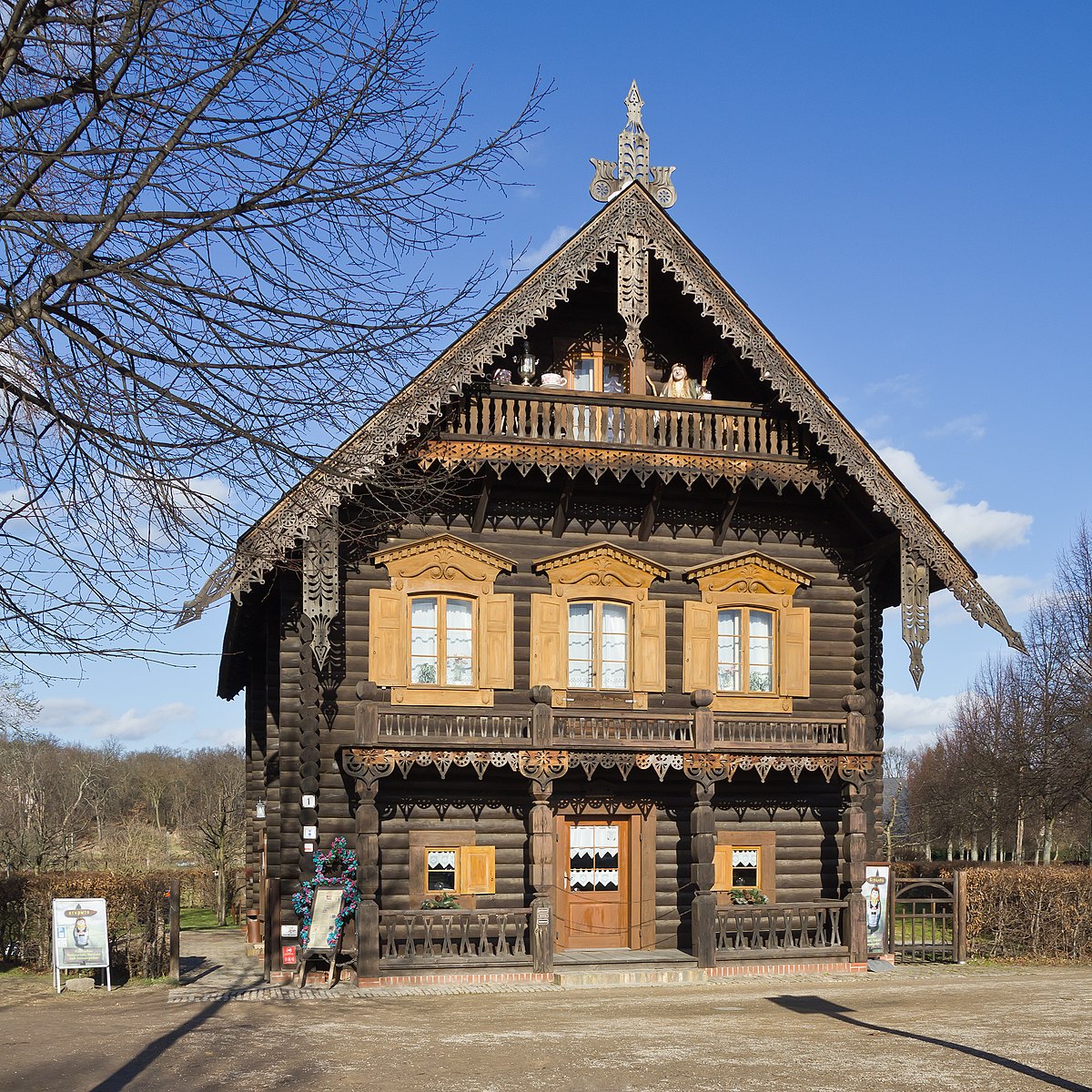
Alexandrowka
📍 Brandenburg, Germany
Located in the picturesque city of Potsdam, Germany, Alexandrowka is an intriguing architectural ensemble that reflects a unique blend of Russian and …

Alte Burg Penzlin
📍 Brandenburg, Germany
Alte Burg Penzlin, a captivating castle located in the quaint town of Penzlin, Germany, serves as a remarkable example of medieval architecture and …

Alte Dorfkirche Röxe
📍 Brandenburg, Germany
The Alte Dorfkirche Röxe stands as a poignant symbol of architectural and cultural history in the Stendal region of Germany. This church building, …
More Memorials

2 Straßenbau- Gedenksteine
📍 Schleswig-Holstein, Germany
In the picturesque region of Bösdorf, Germany, two memorial stones commemorate a pivotal moment in the history of infrastructure development. Known as …

Albrecht-Dürer-Denkmal
📍 Bavaria, Germany
In the heart of Nuremberg, Germany, the Albrecht-Dürer-Denkmal stands as a tribute to one of the most influential figures in Northern Renaissance art. …

Alexiuskreuz
📍 Lower Saxony, Germany
A visit to Alexiuskreuz in Mägdesprung, Harzgerode, invites exploration of a poignant memorial that honors significant historical events and figures. …

Alsdorfer Bergmannskreuz
📍 North Rhine-Westphalia, Germany
The Alsdorfer Bergmannskreuz memorial, located in Simmerath, Germany, serves as a poignant reminder of the region’s mining heritage and the cultural …
Alte Pathologie Wehnen
📍 Lower Saxony, Germany
In the tranquil landscape of Bad Zwischenahn, Germany, the Alte Pathologie Wehnen serves as a solemn memorial dedicated to the victims of the Nazi …

Arbeitserziehungslager Nordmark
📍 Schleswig-Holstein, Germany
Arbeitserziehungslager Nordmark, located on the outskirts of Kiel, Germany, serves as a solemn memorial to the atrocities committed during the Nazi …