Overview
Zeche Rheinpreußen, a significant industrial heritage site located in Duisburg and Moers, Germany, offers visitors a glimpse into the region’s storied past as a coal mining powerhouse. This former coal mine is emblematic of the rapid industrialization that transformed the landscape and economy of the Ruhr area in the 19th and 20th centuries. As one of the key players in the coal industry, Zeche Rheinpreußen has left an indelible mark on local culture and heritage, standing as a reminder of the labor and ingenuity that fueled economic growth during its operational years.
The site not only serves as a testament to the industrial age but also invites exploration and reflection on the evolution of mining technology and its impact on the environment and society. Visitors can engage with the remnants of the mining infrastructure, which echo the stories of the miners who toiled within the depths of the earth. Whether you are an industrial history enthusiast or simply curious about the past, Zeche Rheinpreußen promises an enriching experience that sheds light on the complexities of industrial heritage.
History and Significance
The history of Zeche Rheinpreußen is intertwined with the broader narrative of coal mining in the Ruhr area, a region that became synonymous with industrialization in Germany. Established during a time of significant economic transformation, the mine contributed to the burgeoning coal industry that powered factories, homes, and transportation throughout the region. The mine’s operations not only provided employment for thousands but also played a crucial role in the economic stability of the surrounding communities.
As coal became an essential energy source in the late 19th and early 20th centuries, Zeche Rheinpreußen exemplified the advancements in mining technology and techniques. The site reflects the evolution of mining practices, from early methods to more sophisticated operations that characterized the mid-20th century. This evolution highlights the resilience and adaptability of the industry in response to changing economic demands and labor conditions.
Even after its closure, Zeche Rheinpreußen remains a significant cultural landmark. It serves as a focal point for discussions surrounding industrial heritage, labor rights, and environmental sustainability. The site has become a venue for educational programs and events aimed at preserving the memory of the mining community and promoting awareness about the historical importance of the coal industry. Through various initiatives, the legacy of Zeche Rheinpreußen continues to resonate, illustrating the complex interplay between industry, society, and the environment.
Architecture and Features
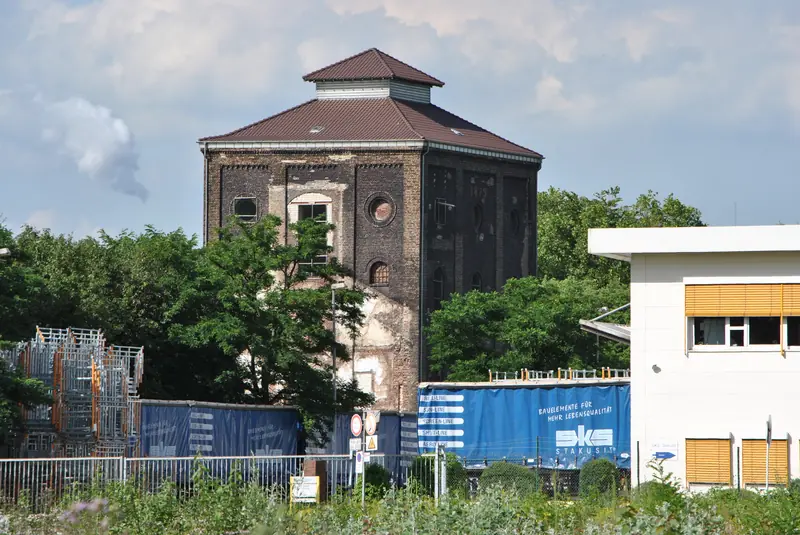
The architecture of Zeche Rheinpreußen is a noteworthy aspect of its historical significance. The site features remnants of mining structures that showcase the industrial design of the era. Key elements include the towering headframe, which is a hallmark of coal mines, and the various buildings that housed machinery and equipment essential for mining operations.
The headframe, often referred to as a winding tower, is particularly striking, standing as a symbol of the mining industry. Its robust structure is designed to support the mechanisms that lifted coal from deep within the earth to the surface. Surrounding the headframe, visitors can find remnants of processing facilities that were once bustling with activity. These features collectively contribute to the industrial landscape, providing insight into the scale and complexity of coal mining operations.
The site is also marked by various artifacts and remnants that tell the story of the miners’ lives. Visitors can observe the remains of transport systems, storage areas, and workers’ accommodations, all of which serve as a reminder of the community that once thrived around the coal mine. The architecture and features of Zeche Rheinpreußen encapsulate the essence of industrial heritage, inviting contemplation of the past while emphasizing the importance of preserving such sites for future generations.
Visiting Information
Visiting Zeche Rheinpreußen offers an opportunity to connect with Germany’s industrial heritage. The site is accessible via various modes of transportation, including public transit and private vehicles. Parking facilities are typically available nearby, making it convenient for those traveling by car.
Check the official website for current information regarding operating hours, ticket prices, and guided tour availability. While visiting, guests can expect to spend several hours exploring the site, from the impressive headframe to the various buildings that once constituted active mining operations. The layout of the site allows for both guided and self-guided tours, catering to different visitor preferences.
The best times to visit are during the spring and autumn months when the weather is generally more pleasant for outdoor exploration. During these seasons, the site can be less crowded, allowing for a more immersive experience. Visitors should prepare for a mix of walking and standing, so comfortable footwear is recommended.
Nearby Attractions
While Zeche Rheinpreußen is a captivating destination in its own right, several nearby attractions enhance the overall experience of the area.
LVR-Industriemuseum: This museum celebrates the industrial history of the region, showcasing a variety of exhibits related to coal mining and other industries. It provides a broader context for understanding the significance of sites like Zeche Rheinpreußen.
Duisburg Inner Harbour: A revitalized area that features shops, restaurants, and cultural venues. It’s an excellent place to relax after a day of exploration.
Moers Castle: Located not far from the mine, this historical site offers insights into the region’s past and features beautiful grounds ideal for a leisurely stroll.
The Landschaftspark Duisburg-Nord: A former steelworks turned public park that combines nature and industrial heritage. It provides a unique contrast to the mining history of Zeche Rheinpreußen.
Museum of Coal Mining: Another engaging venue that focuses on the history and impact of coal mining in the region, located within a short distance from the mine.
Insider Tips
When visiting Zeche Rheinpreußen, consider bringing a camera to capture the unique industrial architecture and artifacts. Early mornings or late afternoons are ideal for photography, as the lighting can enhance the visual appeal of the structures.
To avoid crowds, plan your visit during weekdays or outside of peak tourist seasons. This can also provide a more intimate experience as you explore the site at your own pace.
Practical Information
When preparing for your visit to Zeche Rheinpreußen, consider bringing along essentials such as water, snacks, and sunscreen, especially if exploring outdoors. Comfortable walking shoes are a must, as the terrain may vary across the site.
Seasonal considerations include checking the weather forecast, as conditions can influence outdoor activities. If visiting during colder months, dressing in layers is advisable to ensure comfort.
Frequently Asked Questions
How long should I spend visiting?
A visit to Zeche Rheinpreußen typically takes around 2 to 4 hours, depending on your level of interest in industrial history.
Is photography allowed?
Yes, photography is generally permitted, so feel free to capture the unique elements of the site.
Are there guided tours?
Guided tours may be available; check the official website for information on scheduling and fees.
What’s the best time to visit?
Spring and autumn are ideal for pleasant weather and fewer crowds.
Is it wheelchair accessible?
Check the official website for current accessibility information regarding the site.
Can I buy tickets online?
Ticket purchasing options may vary; check the official website for details on online sales.
Are there restrooms and cafes?
Facilities may be available; consult the official website for specifics on amenities at the site.
What should I wear?
Wear comfortable clothing and sturdy footwear suitable for walking and exploring the site.



