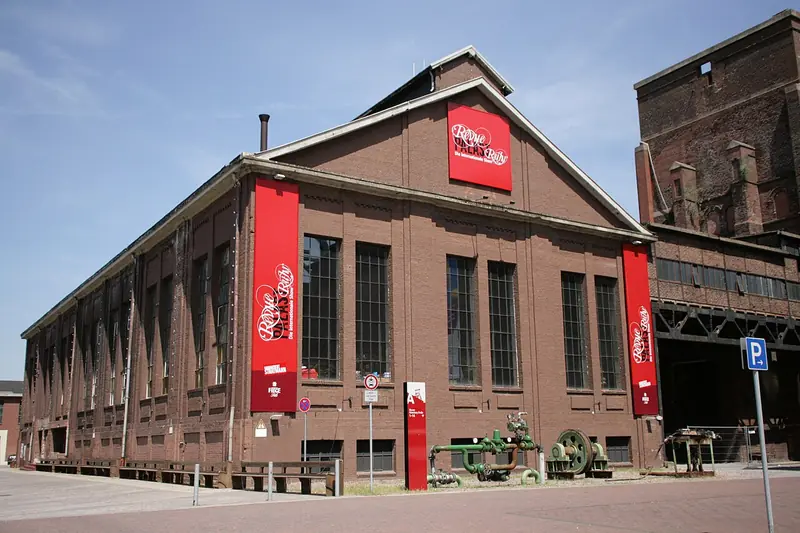
Overview
Zeche Ewald, located in Germany, stands as a significant monument of industrial heritage, representing the complexities of the coal mining industry that shaped much of the region’s economic and social landscape. This former mine, now a historical site, offers visitors a glimpse into the industrious past that fueled the development of modern Germany. With its coordinates set at 51.5719° N latitude and 7.14833° E longitude, Zeche Ewald is situated in an area that was once thriving with mining activity, making it an essential stop for anyone interested in the evolution of industrial practices and their cultural ramifications.
The site’s historical importance extends beyond its operational years; it serves as an educational resource for understanding the challenges and triumphs of the mining workforce, as well as the broader implications of industrialization on communities. Visitors can expect to engage with the rich narratives embedded within the structures and machinery that once powered this industrial giant. Exploring Zeche Ewald is not just an exploration of a mining site; it’s an invitation to reflect on the legacy of an industry that has had lasting impacts on society.
History and Significance
The history of Zeche Ewald is deeply intertwined with the rise of coal mining in Germany. This mine is a representation of the industrial revolution that swept across Europe, particularly in the 19th and early 20th centuries, transitioning the region from agrarian economies to industrial powerhouses. As the demand for coal grew, so did the operations at Zeche Ewald, which became a focal point of mining activity, contributing significantly to the local economy and employment.
The cultural significance of Zeche Ewald lies in its role within the community. Mines like Zeche Ewald were not merely places of labor; they were the heart of local life, shaping social structures and community relationships. The workforce was often composed of families, with generations of miners passing down their knowledge and skills. This familial connection to the mine fostered a unique culture, marked by camaraderie and resilience, which is still echoed in the region today.
As the coal industry waned in the late 20th century, many mines, including Zeche Ewald, faced closure. However, instead of fading into obscurity, Zeche Ewald has been preserved as a site of historical significance. It serves as a reminder of the industrial past, providing insights into the lives of those who worked in the mines and the broader economic systems at play. The site has been recognized for its contribution to industrial heritage, attracting visitors who seek to understand the evolution of labor, technology, and community in the face of change.
Architecture and Features
Zeche Ewald is characterized by its robust industrial architecture, which reflects the practical design principles of the era. The structure of the mine features traditional elements common in coal mining facilities, including headframes, winding towers, and various auxiliary buildings that supported mining operations. These architectural features are not only functional but also represent the technological advancements of their time.
One of the most notable aspects of Zeche Ewald is its large headframe, which stands as a symbol of the mining industry. The headframe is an iconic structure used to lift coal from underground, and its imposing presence is a significant part of the site’s identity. Alongside the headframe, visitors can find remnants of the washing plants and workshops that once buzzed with activity, providing a comprehensive overview of the mining process.
Additionally, the site is often enhanced with interpretive displays and signage that help visitors understand the various components of the mining operation. These features allow for an engaging experience, as guests can connect the physical structures to the stories of the miners who worked there.
Visiting Information
Visiting Zeche Ewald offers a unique opportunity to explore an important piece of industrial heritage. Access to the site is generally straightforward, with various transport options available for travelers. For the most accurate details regarding opening hours, ticket prices, and specific visiting arrangements, it is recommended to check the official website prior to planning your visit.
Expect to spend a few hours at Zeche Ewald to fully appreciate its significance and explore the various features of the site. A guided tour may enhance your understanding, as knowledgeable guides can provide deeper insights into the history and operations of the mine.
The best times to visit are typically during the spring and autumn months, when the weather is mild and conducive to outdoor exploration. However, check the official website for current information, as events or special exhibitions may also influence peak visiting times.
Nearby Attractions
Museum of Coal Mining - Situated nearby, this museum offers an extensive look at the history and technology of coal mining, showcasing artifacts and narratives that complement the experience at Zeche Ewald.
Industrial Heritage Trail - This trail connects various industrial sites in the region, providing an opportunity to explore more of the area’s rich industrial history while enjoying scenic walks.
Zeche Zollverein - A UNESCO World Heritage Site, this former coal mine is recognized for its architectural significance and is a must-visit for those interested in industrial heritage.
Local Parks and Green Spaces - The surrounding area features several parks ideal for a leisurely stroll or a picnic, providing a scenic contrast to the industrial sites.
Cultural Events and Festivals - Keep an eye out for local festivals that celebrate the region’s industrial heritage, which often feature music, food, and community activities.
Insider Tips
For the best photography opportunities, visit early in the morning or late in the afternoon when the light is softer and more flattering for capturing the industrial architecture. To avoid crowds, consider visiting on weekdays if possible, as weekends may attract more visitors.
Engaging with the guides and staff can enhance your experience; they often have stories and insights that are not available in printed materials. Additionally, don’t hesitate to ask questions during your visit to gain a deeper understanding of the site’s significance.
Practical Information
When visiting Zeche Ewald, it’s advisable to wear comfortable footwear, as the site may require walking on uneven surfaces. Bringing a water bottle is also recommended, particularly during warmer months, to stay hydrated.
Seasonal considerations should be taken into account, especially during winter months when weather conditions may affect accessibility. Always check the official website for current information regarding any seasonal changes to opening hours or visitor guidelines.
Frequently Asked Questions
How long should I spend visiting?
Plan to spend approximately two to three hours at Zeche Ewald to fully explore the site and engage with its various features.
Is photography allowed?
Yes, photography is generally allowed, but always respect any posted guidelines or restrictions.
Are there guided tours?
Guided tours are often available, enhancing the visitor experience with expert insights into the site’s history and significance.
What’s the best time to visit?
The best times to visit are typically during the spring and autumn months when the weather is more pleasant, but check the official website for any specific events that may draw larger crowds.
Is it wheelchair accessible?
Check the official website for information on accessibility options at Zeche Ewald to ensure a comfortable visit.
Can I buy tickets online?
Ticket purchasing options may be available online; check the official website for the most current information.
Are there restrooms and cafes?
Facilities such as restrooms and cafes may be available on site; verify details on the official website to plan accordingly.
What should I wear?
Dress comfortably and wear appropriate footwear, as the site may involve walking on uneven terrain. Consider seasonal weather when choosing your outfit.