
Yenidze
Overview
Yenidze, an architectural marvel located in Dresden, Germany, presents a unique combination of industrial heritage and striking design. Originally a tobacco factory, this structure is notable not just for its function but also for its distinctive appearance, resembling a mosque, complete with a stunning dome and minarets. Situated at the coordinates 51.059019, 13.726853, Yenidze stands as a significant landmark in the cityscape of Dresden, illustrating the intersection of industrial activity and artistic expression.
This factory holds cultural importance, reflecting the historical context of the tobacco industry in Germany, particularly during the late 19th and early 20th centuries. Today, Yenidze invites visitors to explore its rich architectural features while contemplating its role in the city’s industrial past. This guide will provide insights into the history, architecture, and visiting experience of Yenidze, making it a must-visit destination for those interested in heritage and industrial architecture.
History and Significance
The history of Yenidze is intertwined with the broader narrative of Dresden’s industrial development. Built in the early 20th century, this factory was designed to house the operations of the tobacco industry, which was a significant economic driver for the region. The building’s unique design reflects the aspirations of the era, merging functionality with elaborate architectural elements that stand out in the urban landscape.
Culturally, Yenidze represents a period of growth and change in Dresden’s history, symbolizing the transition from traditional craftsmanship to industrialization. The factory not only played a critical role in the production of tobacco products but also served as a hub for employment and economic activity in the area. As the tobacco industry began to decline, Yenidze’s significance shifted, allowing it to transform into a site of architectural appreciation rather than merely industrial utility.
Today, Yenidze serves as a reminder of the city’s industrial past while also highlighting the importance of preserving historical structures. Its architectural charm and historical relevance make it a significant site for both locals and visitors alike, showcasing how heritage can be integrated into contemporary urban life.
Architecture and Features
Yenidze is distinguished by its striking architectural style, which combines elements of Eastern and Western design. The factory’s exterior features a prominent dome, flanked by two slender minarets that evoke the appearance of a mosque. This unique aesthetic choice was likely intended to convey a sense of exoticism and grandeur, setting it apart from typical industrial buildings of the time.
The building’s façade is adorned with decorative tiles and intricate detailing, showcasing the craftsmanship that went into its construction. The use of vibrant colors and ornate patterns reflects the artistic influences of the period, captivating those who approach the structure. Inside, the factory’s design was practical, accommodating the needs of its industrial operations while maintaining an air of elegance that is often absent in typical factory designs.
Yenidze is a fine example of how industrial architecture can transcend its original function to become an iconic symbol of a city’s identity. Its unique blend of styles and visual appeal has made it a subject of admiration among architects and historians alike, highlighting the potential for industrial sites to transition into cultural landmarks.
Visiting Information
Visiting Yenidze offers a rich experience for those interested in architecture and history. The factory is accessible via various modes of transport, including public transportation options that connect to the larger Dresden area. Visitors should check the official website for current information regarding opening hours and ticket prices, as these may vary.
On-site, guests can expect a well-maintained environment that encourages exploration. While the factory is no longer in operation, the architecture itself provides a fascinating glimpse into the past. A visit typically lasts around one to two hours, allowing enough time to appreciate the structure’s details and learn about its history.
For an optimal experience, consider visiting during weekdays when crowds are generally lighter. Early mornings or late afternoons are also ideal for those looking to enjoy a quieter atmosphere. Whether you’re an architecture enthusiast or simply curious about industrial heritage, Yenidze will captivate you with its unique charm.
Nearby Attractions
When visiting Yenidze, several nearby attractions can enhance your experience in Dresden:
Dresden Frauenkirche: This stunning Lutheran church, with its iconic dome, is a symbol of the city’s resilience after World War II. Its beautifully restored interior is worth exploring.
Zwinger Palace: A masterpiece of Baroque architecture, Zwinger Palace houses impressive art collections and beautiful gardens, making it a cultural highlight in Dresden.
Semper Opera House: Renowned for its stunning architecture and world-class performances, the opera house is a must-visit for those interested in the performing arts.
Dresden Castle: This historic castle complex features a mix of architectural styles and hosts several museums, providing insight into the city’s history.
Brühl’s Terrace: Known as the “Balcony of Europe,” this picturesque promenade offers scenic views of the Elbe River and the city, perfect for a leisurely stroll.
Insider Tips
For photography enthusiasts, Yenidze presents numerous opportunities for striking images. Capture the building’s unique silhouette against the sky, especially during the golden hours of sunrise and sunset when the light enhances its architectural features.
To avoid crowds, consider visiting during weekdays or early in the morning. This will allow you to explore the site at a more leisurely pace and appreciate the intricate details without the rush of other visitors.
If you plan to take guided tours, check in advance for availability, as these can provide deeper insights into the factory’s history and architectural significance.
Practical Information
When planning your visit to Yenidze, consider bringing a camera to capture the remarkable architecture. Comfortable walking shoes are recommended, as exploring the site may involve some walking.
Seasonal considerations can also impact your visit; spring and fall typically offer mild weather ideal for exploration. Be sure to check the official website for any seasonal events or temporary exhibitions that may enhance your experience.
Frequently Asked Questions
How long should I spend visiting?
A visit to Yenidze typically lasts around one to two hours, allowing ample time to explore and appreciate the architecture and history.
Is photography allowed?
Photography is generally permitted, and many visitors enjoy capturing the unique features of the building.
Are there guided tours?
Check the official website for information on guided tours, as they may provide additional insights into the factory’s significance and design.
What’s the best time to visit?
Weekdays or early mornings are often the best times to visit to avoid larger crowds and enjoy a quieter experience.
Is it wheelchair accessible?
Accessibility information may vary; it is advisable to check the official website for the latest details regarding wheelchair access.
Can I buy tickets online?
Visit the official website for information on ticket purchasing options, including online availability.
Are there restrooms and cafes?
Check the official website for information on available facilities such as restrooms and nearby cafes.
What should I wear?
Comfortable attire and shoes are recommended, especially if you plan to explore the surrounding area.
More in Saxony

6. Grundschule "Am Großen Garten"
📍 Saxony, Germany
The 6. Grundschule “Am Großen Garten” stands as a significant educational institution in Dresden, Germany, embodying the principles of early childhood …

Albertinum
📍 Saxony, Germany
Albertinum is a prominent art museum located in the heart of Dresden, Germany, serving as a significant cultural institution in the region. …

All Saints Church, Dresden
📍 Saxony, Germany
All Saints Church, located in the vibrant city of Dresden, Germany, is a remarkable church building that captures the essence of the region’s …

Altarstein (Saxon Switzerland)
📍 Saxony, Germany
Altarstein, located in the picturesque region of Saxon Switzerland, Germany, is a captivating monument that draws visitors into its historical …

Alte Nikolaischule (Leipzig)
📍 Saxony, Germany
Alte Nikolaischule, located in the heart of Leipzig, Germany, is a significant educational institution with a rich heritage. Founded as a school, it …
Alte Schulbrücke Oberbobritzsch
📍 Saxony, Germany
The Alte Schulbrücke Oberbobritzsch is a striking bridge situated in the Bobritzsch-Hilbersdorf region of Germany. This structure serves not only as a …
More Factories
A. Heucke
📍 Lower Saxony, Germany
A. Heucke, located in the historic town of Gatersleben in Germany’s Seeland region, represents a significant chapter in the story of industrial …
Adam Opel AG Werk Bochum I
📍 Lower Saxony, Germany
The Adam Opel AG Werk Bochum I, located in Germany, represents a significant chapter in the history of industrial production. This former production …
Adam Opel AG Werke Bochum II/III
📍 Lower Saxony, Germany
Adam Opel AG Werke Bochum II/III is a distinguished factory located in Germany, playing a significant role in the automotive industry. This site is …
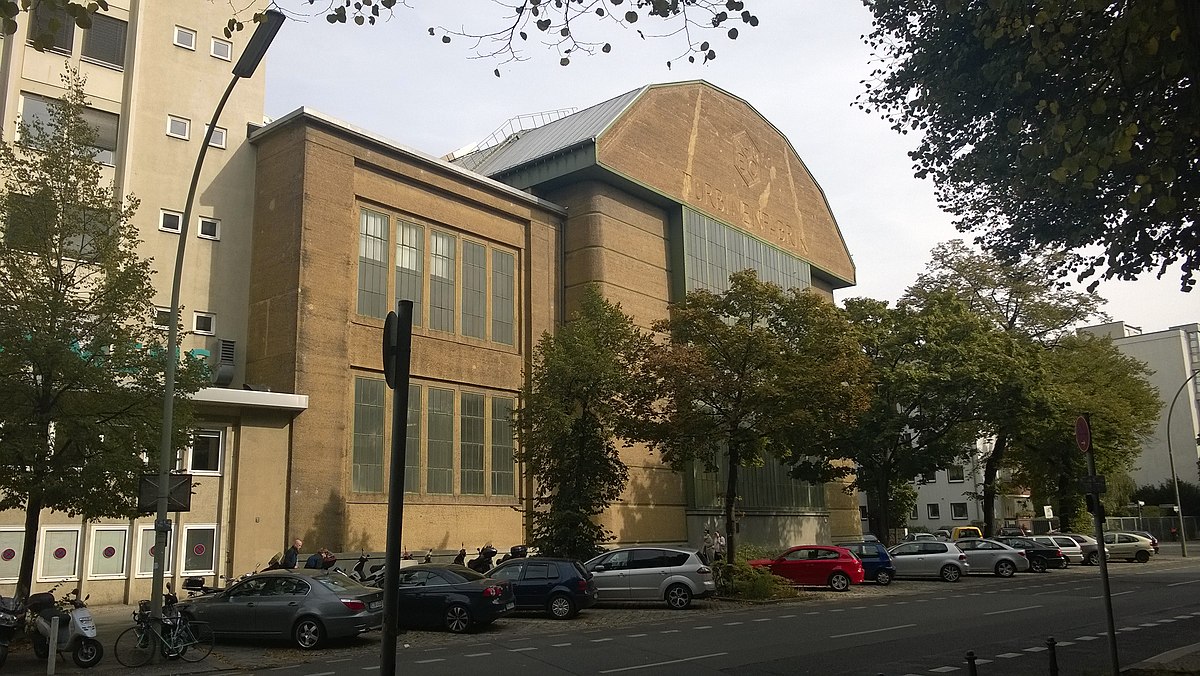
AEG's Turbine factory
📍 Berlin, Germany
The AEG Turbine Factory, an iconic structure in Berlin’s Bezirk Mitte, is a significant landmark that reflects the industrial heritage of the city. …
AKA-Radiergummifabrik
📍 Lower Saxony, Germany
The AKA-Radiergummifabrik, a significant former factory located in Hannover, Germany, offers a unique glimpse into the industrial past of the region. …

Alte Malzfabrik
📍 Lower Saxony, Germany
Alte Malzfabrik, located in Mülheim an der Ruhr, Germany, is an intriguing factory site that encapsulates the industrial heritage of the region. This …