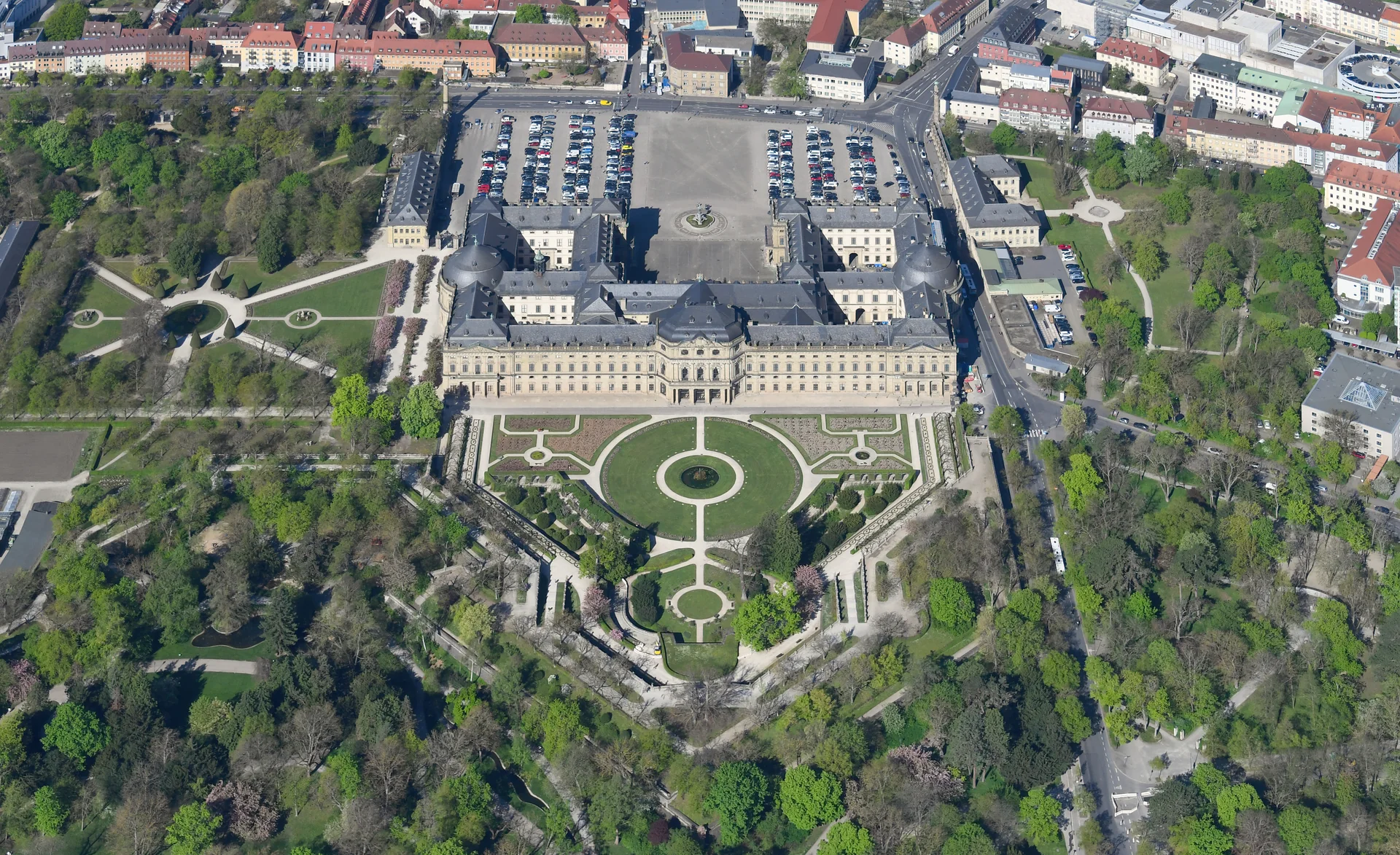
Würzburg Residence
Overview
The Würzburg Residence, a stunning baroque palace in Würzburg, Germany, serves as a remarkable cultural heritage monument that captivates visitors with its grandeur and historical significance. Founded in 1719, this architectural marvel was designed by Johann Balthasar Neumann, whose vision transformed the landscape of Würzburg. As you approach the residence, the majestic façade and intricately designed gardens invite you to explore the opulence that once housed the prince-bishops of Würzburg.
Located in the heart of Bavaria, the Würzburg Residence stands as a testament to the artistic and cultural achievements of the era. The surrounding landscape enhances its beauty, making it a focal point for both local residents and tourists alike. This UNESCO World Heritage site draws approximately 350,000 visitors annually, eager to immerse themselves in its rich history and architectural splendor.
During your visit, you’ll discover not only the intricacies of baroque architecture but also the stories woven into the very fabric of this remarkable building. From elaborate frescoes to finely crafted interiors, each corner of the residence offers a glimpse into a lavish past that continues to fascinate and inspire.
History and Significance
The Würzburg Residence’s foundation dates back to 1719, marking the beginning of an ambitious project that would shape the cultural landscape of the region. Designed by Johann Balthasar Neumann, this palace became a symbol of power and prestige for the prince-bishops of Würzburg. Over the years, it has undergone various transformations, reflecting the changing tastes and influences of its time.
As a UNESCO World Heritage site, the Würzburg Residence is recognized for its exceptional architectural value and historical importance. The residence was designed not just as a functional space for governance but also as a showcase of artistic expression. The integration of art and architecture here is a significant aspect that attracts historians and architects alike.
Throughout its history, the palace has served as a backdrop for significant events in Würzburg’s past. The opulence of the residence illustrates the wealth and influence of its former inhabitants. This connection to local history makes it a crucial site for understanding the evolution of baroque architecture in Germany.
Architecture and Features
The architectural style of the Würzburg Residence is distinctly baroque, characterized by grandiose designs and elaborate details. As you explore the palace, you’ll notice the intricate embellishments that adorn both the exterior and interior spaces. The façade is a harmonious blend of form and ornamentation, typical of baroque architecture.
One of the most notable features is the impressive staircase that leads visitors into the main hall. This grand entrance is designed to evoke a sense of awe and sets the tone for the opulence found throughout the residence. Additionally, visitors should take time to admire the stunning frescoes that grace the ceilings, depicting various mythological scenes and showcasing the artistic mastery of the period.
The use of high-quality materials throughout the construction speaks to the importance placed on craftsmanship. Marble floors, ornate gilded details, and finely carved woodwork create an immersive environment that reflects both luxury and artistry.
Visiting Information
Getting to the Würzburg Residence is relatively straightforward, with various transport options available in the surrounding area. Whether you arrive by car or public transport, you’ll find convenient access to this magnificent palace.
Hours: Check the official website for current opening hours.
Prices: Visit the official website for current admission prices.
Upon entering, you can expect a richly informative experience as you navigate through different rooms and halls filled with historical artifacts and art. Plan to spend approximately 1-2 hours exploring the residence to fully appreciate its beauty and significance.
For those looking to avoid larger crowds, visiting in the morning or during spring and fall can enhance your experience. The weather during these times often complements the charm of the gardens surrounding the palace.
Accessibility may be a consideration for some visitors; check directly with site management for specific accommodations.
Nearby Attractions
After exploring the Würzburg Residence, consider visiting these nearby attractions:
Würzburg Cathedral: A remarkable example of Romanesque architecture, this cathedral features stunning stained glass windows and intricate stonework that narrates its long history.
Marienberg Fortress: Overlooking Würzburg, this fortress offers panoramic views of the city. It houses a museum detailing local history and provides insight into Würzburg’s past.
Old Main Bridge: A picturesque bridge adorned with statues, providing a scenic view of the river and surrounding area, perfect for leisurely strolls.
Botanical Garden: Located near the university, this tranquil garden showcases various plant species and offers a peaceful retreat from urban life.
Residenzplatz: The square outside the residence is lined with cafes and shops, providing an excellent spot to relax and absorb the vibrant atmosphere of Würzburg.
Insider Tips
To capture stunning photographs of the Würzburg Residence, aim for early morning or late afternoon when natural light enhances its architectural features. Look for lesser-known details like hidden carvings or unique frescoes that may not be immediately visible at first glance.
To avoid crowds, consider visiting during weekdays or outside peak tourist seasons. Engaging with local guides can enrich your understanding of both the palace and its historical context.
Lastly, don’t forget to explore not just inside but also around the gardens that accompany this majestic residence; they provide beautiful settings for reflection and relaxation.
Practical Information
When planning your visit to the Würzburg Residence, keep these practical details in mind:
- Check the official website for current opening hours.
- Visit the official website for current admission prices.
- Comfortable walking shoes are recommended due to expansive grounds.
- Bring a camera to capture both interior and exterior beauty.
- If visiting in colder months, dress warmly as some areas may be less heated.
- Ensure you have water on hand, especially if you plan to explore nearby attractions after your visit.
Frequently Asked Questions
How long should I spend visiting?
You should plan to spend approximately 1-2 hours at the Würzburg Residence to fully appreciate its history and architectural beauty.
Is photography allowed inside?
Photography policies can vary; check directly with site management for specific rules regarding photography inside the residence.
Are there guided tours available?
Guided tours may be available; it’s best to inquire on-site or check online for information regarding tour schedules.
What’s the best time of day to visit?
Visiting in the morning often provides a quieter experience before peak tourist hours begin.
Is the site wheelchair accessible?
Accessibility features may be available; contact the site directly for detailed information on accommodations.
Can I buy tickets online?
Ticket purchasing options may vary; check the official website for current information on online ticket sales.
Are there facilities like restrooms and cafes?
Facilities such as restrooms are typically available on-site; look for signage upon your arrival for locations.
What should I wear when visiting?
Dress comfortably; consider layering for variable weather conditions if visiting during transitional seasons.
Exploring the Würzburg Residence allows you to immerse yourself in a world where history intersects with architectural brilliance. Prepare yourself for an unforgettable experience steeped in culture and beauty.
Photo Gallery


Location
More in Hesse
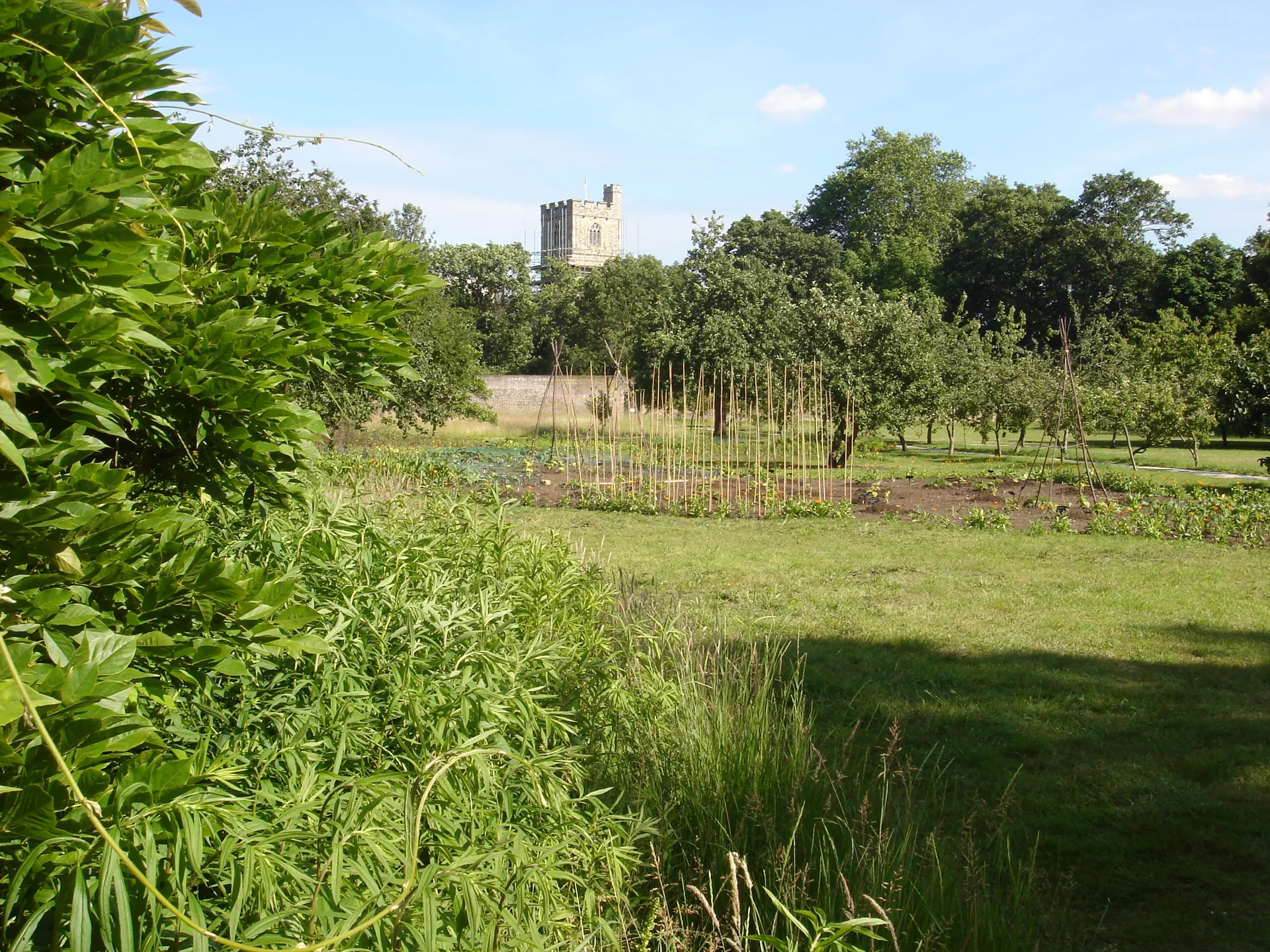
All Saints Church
📍 Hesse
In the heart of Frankfurt am Main lies All Saints Church, a modernist Roman Catholic church that captures the spirit of contemporary ecclesiastical arch...
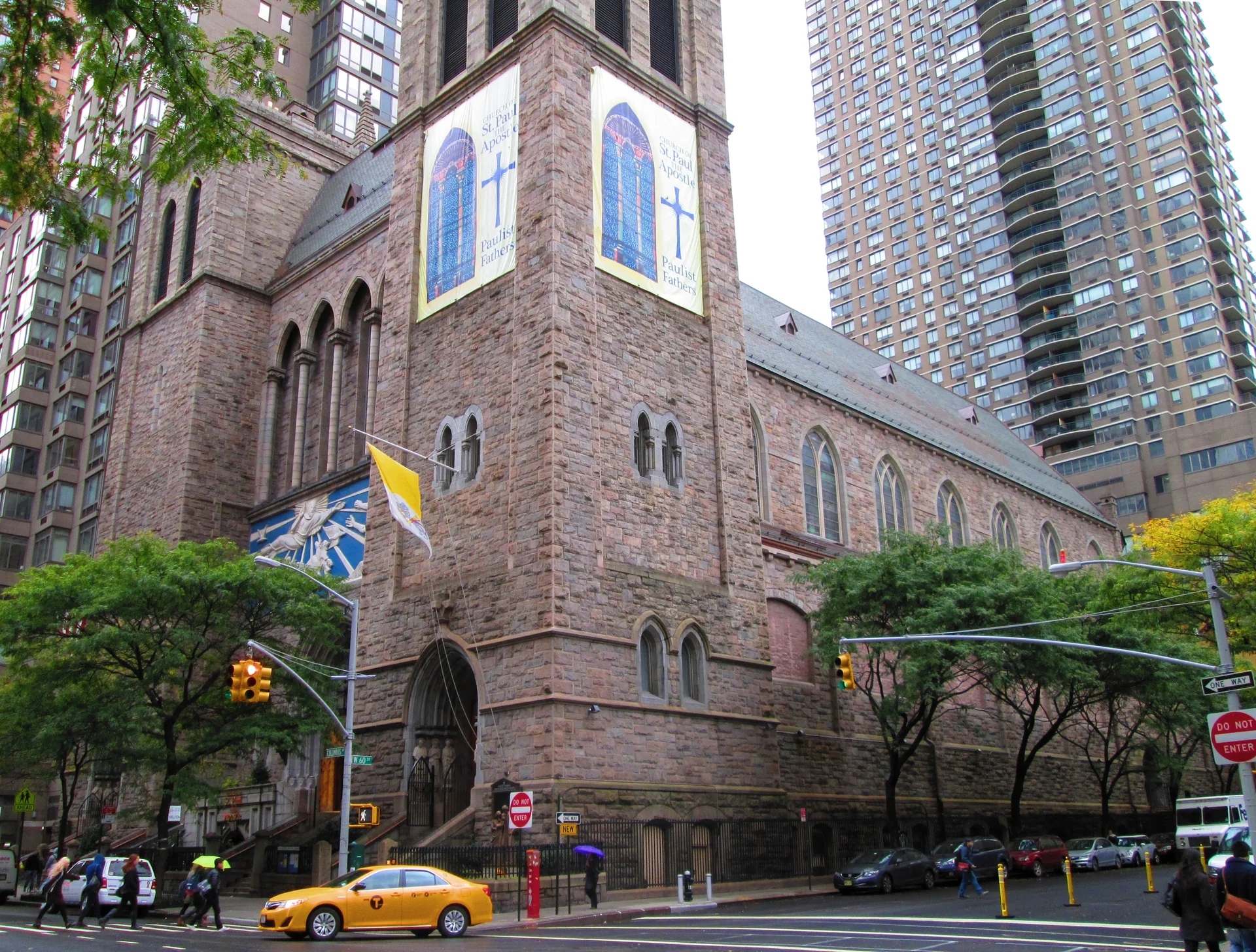
Apostle church
📍 Hesse
In the heart of Ludwigshafen, the Apostle Church stands as a striking example of Gothic Revival architecture, capturing the attention of both worshipper...
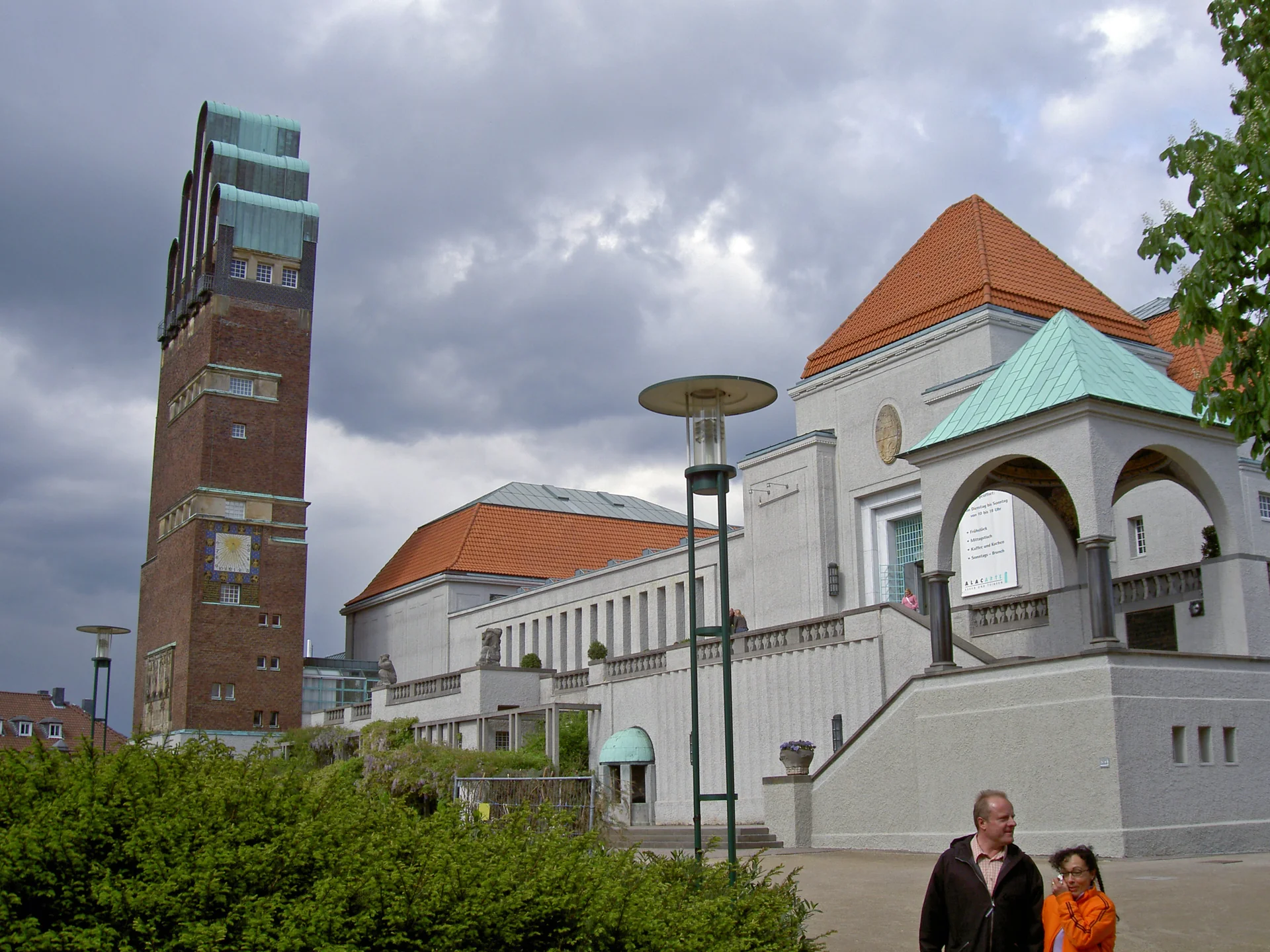
Artists Colony in Darmstadt
📍 Hesse
The Artists Colony in Darmstadt, a UNESCO World Heritage Site, presents a compelling glimpse into the artistic movements of the late 19th and early 20th...
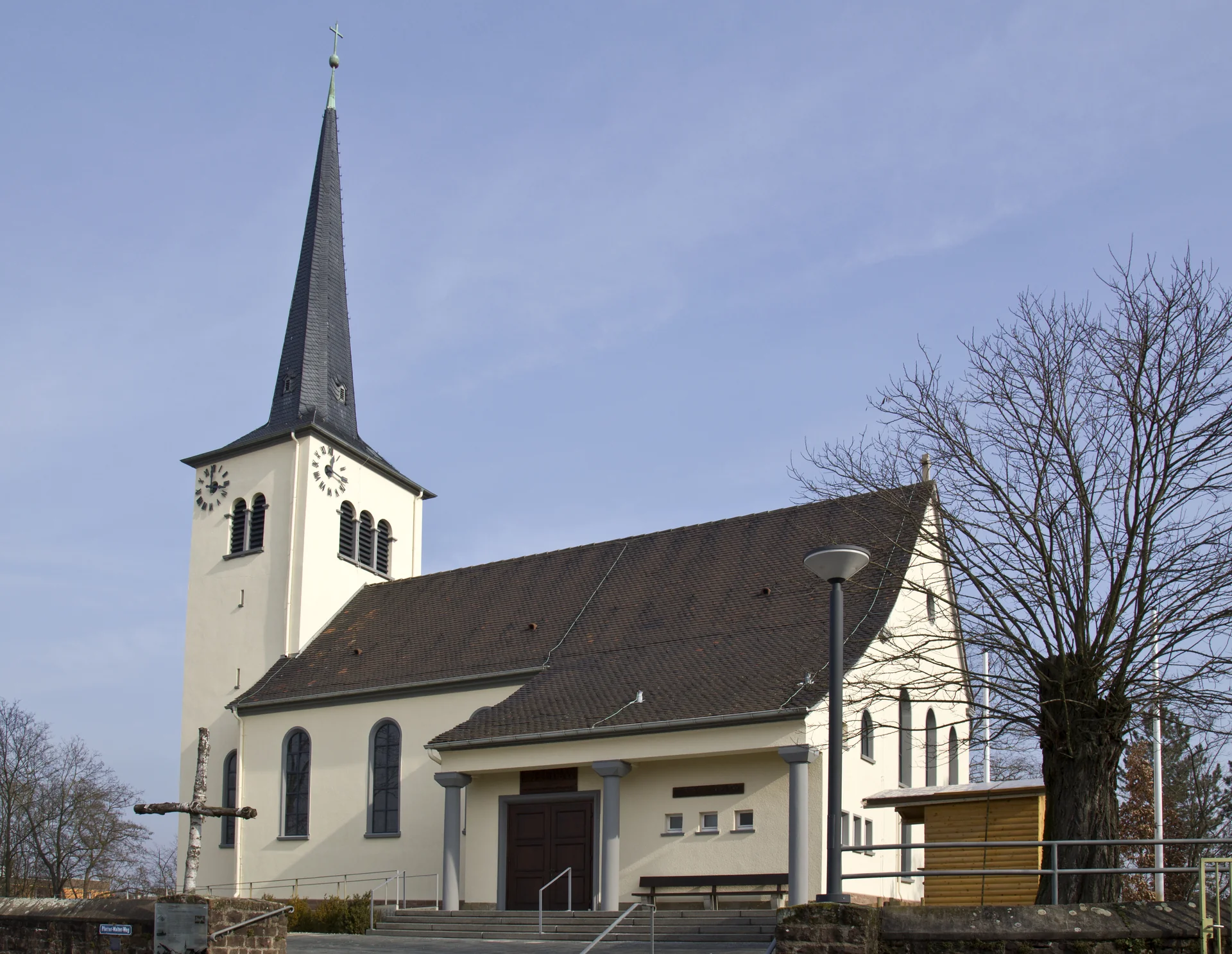
Auferstehungskirche (Mannheim)
📍 Hesse
Imagine stepping into a space where modern design meets spiritual serenity. The Auferstehungskirche, or Resurrection Church, located in Mannheim, German...