Overview
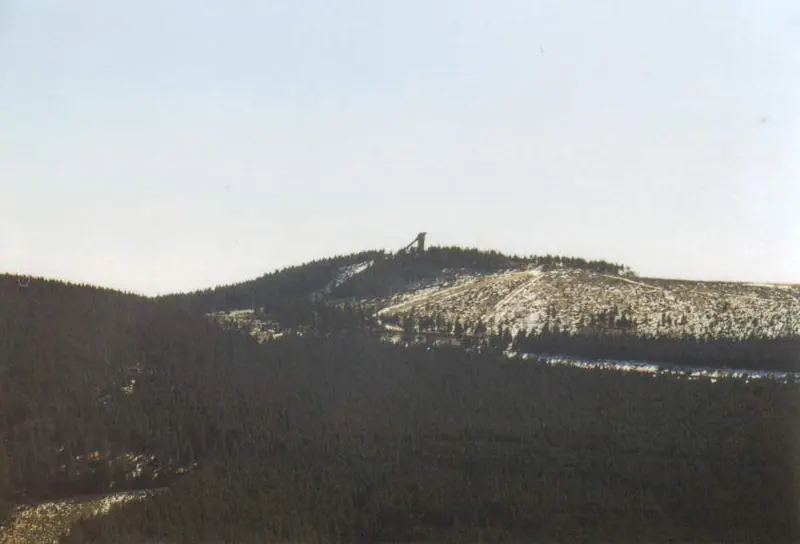
Wurmberg stands as a prominent mountain in Germany, drawing nature enthusiasts and adventure seekers alike to its slopes and surroundings. Located at coordinates 51.7566, 10.6183, this natural site is the second-highest peak in the Harz Mountains, making it a notable landmark in the region. The mountain offers unique landscapes characterized by dense forests, rugged terrain, and panoramic views that stretch across the surrounding areas. Visitors flock to Wurmberg not only for its natural beauty but also for the recreational opportunities it provides, from hiking to skiing in the winter months. The mountain serves as an important outdoor hub, offering a diverse range of experiences that highlight the natural heritage of Germany.
Wurmberg’s significance extends beyond its elevation; it plays a vital role in the local ecosystem and cultural landscape. As a natural site, it represents the beauty of the Harz region and is integral to the environmental and recreational identity of the area. Whether you are looking to explore its trails, engage in winter sports, or simply enjoy the serene environment, Wurmberg promises a remarkable experience for visitors of all ages.
History and Significance
While specific historical details about Wurmberg may not be extensively documented, the mountain has held cultural significance for centuries. The Harz Mountains, of which Wurmberg is a part, have long been a site of human interaction, from early settlements to modern recreational development. The region has been known for its mining activities, particularly in the late medieval period, which contributed to the local economy and shaped the culture of the surrounding communities.
The mountain’s name, Wurmberg, translates to “Dragon Mountain,” reflecting the folklore and legends intertwined with the area. Such stories often highlight the mountain’s mystical qualities, which have captivated locals and visitors alike. This cultural narrative adds depth to the experience of visiting Wurmberg, as it invites exploration of both natural and mythological landscapes.
In contemporary times, Wurmberg has become a focal point for outdoor activities, drawing individuals and families who seek the thrill of nature. Its status as a natural site ensures that it is protected, fostering a deeper appreciation for the environment. The mountain’s accessibility and the variety of recreational options available contribute to its ongoing significance as a destination for both relaxation and adventure.
Architecture and Features
Wurmberg features a distinctive physical profile that is characteristic of the Harz Mountains. With its lush forests and varying terrain, the mountain presents a dynamic landscape. The summit of Wurmberg is accessible by a gondola lift, which enhances the visitor experience by providing a convenient means to reach higher altitudes and enjoy the views without strenuous hiking.
At the summit, visitors are greeted by expansive vistas that showcase the natural beauty and diversity of the region. The area is covered with a mix of coniferous and deciduous trees, providing habitats for various wildlife species. This rich biodiversity contributes to Wurmberg’s ecological importance, making it a site of interest for nature lovers and conservationists.
In terms of recreational features, Wurmberg transforms with the seasons. During the winter months, the mountain becomes a popular destination for skiing and snowboarding, with well-maintained slopes catering to all skill levels. In contrast, the warmer months offer an array of hiking trails, suitable for both casual walkers and seasoned trekkers, allowing individuals to immerse themselves in the natural environment.
Visiting Information
Visiting Wurmberg is an inviting experience for those seeking outdoor adventure. The best way to reach the mountain is by car or public transportation, with several access points available. Check the official website for current information on transport options and any seasonal services that may be in place.
While the mountain itself can be explored year-round, the activities available vary by season. Winter sports enthusiasts will find Wurmberg particularly appealing during the colder months, when the slopes are open for skiing. In contrast, spring and summer offer ideal conditions for hiking, with trails that range in difficulty and length.
To fully enjoy a visit to Wurmberg, plan for a duration that allows for exploration and relaxation. Depending on your interests—whether hiking, skiing, or simply enjoying the views—visitors may wish to spend several hours to a full day at the mountain.
It’s advisable to check the official website for hours and prices, as these can fluctuate throughout the year. Additionally, preparing for varying weather conditions is essential, as temperatures can change rapidly in mountainous areas.
Nearby Attractions
Wurmberg is surrounded by several notable attractions that enhance the overall experience of visiting the Harz region. Consider exploring these sites during your trip:
Harz National Park: This expansive park offers diverse ecosystems, hiking trails, and opportunities to observe local wildlife. It provides an excellent complement to your visit to Wurmberg.
Brocken Mountain: The highest peak in the Harz Mountains, Brocken is famous for its panoramic views and historical significance. It is accessible by hiking or a scenic train ride.
Quedlinburg: A UNESCO World Heritage Site, this charming town features medieval architecture and cobblestone streets, providing a glimpse into the region’s rich history.
Goslar: Known for its well-preserved medieval town center, Goslar is another UNESCO World Heritage Site that offers a wealth of historical sites and museums.
Rappbodetalsperre: This impressive dam is located a short drive from Wurmberg and features stunning views and walking paths, making it a perfect spot for a day trip.
Insider Tips
For those planning a visit to Wurmberg, here are some insider tips to enhance your experience:
Photography: Early mornings or late afternoons provide the best lighting for landscape photography, capturing the beauty of the mountain and surrounding areas.
Avoiding Crowds: If possible, visit during weekdays or off-peak seasons to enjoy a more tranquil experience. Early mornings are also quieter, allowing for a more intimate connection with nature.
Explore the Trails: Take time to explore multiple trails if you have the opportunity. Each offers unique perspectives and experiences of the mountain’s landscape.
Practical Information
When visiting Wurmberg, there are several practical considerations to keep in mind:
What to Bring: Dress in layers to accommodate changes in temperature, especially if you plan to hike. Comfortable footwear is essential for navigating the trails, and consider bringing a daypack with water, snacks, and a camera.
Seasonal Considerations: Winter gear is necessary if you plan to ski or snowboard. In contrast, summer visits may call for sun protection and insect repellent.
Health and Safety: Always inform someone of your plans if hiking alone, and carry a map or GPS device for navigation. Be aware of your surroundings and follow marked trails for safety.
Frequently Asked Questions
How long should I spend visiting?
Depending on your interests, a visit can range from a few hours to an entire day. For a comprehensive experience, plan for at least half a day.
Is photography allowed?
Yes, photography is encouraged, especially due to the stunning landscapes and natural beauty of the area.
Are there guided tours?
While specific guided tours may not be available, local information centers can provide maps and suggestions for self-guided exploration.
What’s the best time to visit?
The best time to visit depends on your interests—winter for skiing and summer for hiking. Spring and autumn can also be beautiful for mild weather and fewer crowds.
Is it wheelchair accessible?
Accessibility can vary by location; check the official website for specific information regarding wheelchair access on trails and facilities.
Can I buy tickets online?
Check the official website for current information on ticket purchasing options, as they may vary by season and event.
Are there restrooms and cafes?
Facilities may be available at the base or summit of Wurmberg; check the official website for specific details.
What should I wear?
Dress in layers suitable for outdoor activities, with sturdy footwear for hiking or skiing, depending on the season. Always prepare for changing weather conditions.



