
Würzburger Stein
Overview
Würzburger Stein, a prominent cultural landscape located in the heart of Germany’s Franconian wine region, is a striking testament to centuries of viticulture tradition. This vineyard is not only vital to the local economy but also plays a significant role in the cultural identity of Würzburg. The rolling hills adorned with grapevines offer a picturesque landscape that reflects the harmonious relationship between nature and human endeavor. Visitors to Würzburger Stein will find themselves immersed in a unique blend of agricultural heritage and stunning scenery, making it an essential stop for those exploring the region’s rich offerings.
As you traverse the vineyard, the historical significance of Würzburger Stein becomes apparent. It is an area where the craft of winemaking has been honed over generations, producing some of Germany’s finest wines. The vineyard’s unique location and climate contribute to the distinct characteristics of the wines produced here, making it not just a site of beauty, but also a center of culinary delight. Whether you’re a wine enthusiast or simply seeking to enjoy the beauty of the landscape, Würzburger Stein promises a rewarding experience.
History and Significance
Würzburger Stein’s cultural importance cannot be understated. The vineyard has been part of the Würzburg landscape for many years, reflecting the longstanding traditions of winemaking in this region. The cultivation of grapes in this area is deeply intertwined with the history of Würzburg itself, a city known for its contributions to art, architecture, and culture during various historical periods.
The viticultural practices in Würzburger Stein have evolved significantly over time, influenced by advancements in agricultural techniques and shifting market demands. The commitment to quality is evident in the wines produced here, many of which have garnered recognition in both national and international arenas. This dedication to excellence underscores the vineyard’s role in promoting the region’s reputation as a premier wine-producing area.
Moreover, Würzburger Stein serves as a symbol of the local community’s pride in its agricultural roots. The vineyard is a focal point for cultural events, festivals, and gatherings that celebrate the art of winemaking. These activities not only highlight the importance of wine in local culture but also foster a sense of community among residents and visitors alike.
Architecture and Features
The architectural landscape of Würzburger Stein is as captivating as the vineyard itself. The area features terraced slopes that have been meticulously cultivated to optimize sun exposure and drainage, essential factors in producing high-quality grapes. The vineyard’s layout exemplifies traditional techniques that have been passed down through generations.
While the vineyard itself is the primary attraction, the surrounding landscape enhances the experience. The lush green vines stretch across the hills, creating a stunning visual representation of the region’s agricultural heritage. Seasonal changes bring a different charm to the vineyard, with vibrant greens in spring and summer giving way to warm hues of red and gold in autumn.
Visitors will also find pathways winding through the vineyard, offering opportunities to explore the area on foot. These paths provide access to various vantage points where one can appreciate the beauty of the landscape and observe the meticulous care that goes into vine cultivation.
Visiting Information
Würzburger Stein is easily accessible for visitors, with various transportation options available. Whether traveling by car, public transport, or on foot, reaching the vineyard is straightforward. The site is well-marked, and the surrounding area is conducive to exploration, allowing visitors to take in the scenic beauty at their own pace.
When planning a visit, be sure to check the official website for current information regarding opening hours and potential admission fees. While the vineyard can be enjoyed year-round, specific events and activities may influence the best times to visit. Generally, a few hours is sufficient to explore the vineyard, enjoy a leisurely walk through the vines, and perhaps indulge in a tasting session if offered.
The vineyard is particularly popular during the grape harvest season, which often attracts visitors looking to participate in the festivities. However, for those seeking a quieter experience, early mornings or weekdays may provide a more tranquil atmosphere.
Nearby Attractions
Würzburger Stein is situated near several attractions that complement a visit to the vineyard. Here are a few notable locations:
Würzburg Residence: A UNESCO World Heritage Site, this baroque palace is a magnificent example of 18th-century architecture and boasts beautiful gardens.
Marienberg Fortress: Perched atop a hill overlooking Würzburg, this historical fortress offers panoramic views of the city and the Main River.
Old Main Bridge: A charming pedestrian bridge adorned with statues, providing a picturesque setting for a leisurely stroll along the river.
Würzburg Cathedral: A striking Romanesque cathedral with impressive artwork and architecture, located in the heart of the city.
The Old Town: A vibrant area filled with shops, cafes, and historic buildings, ideal for experiencing local culture.
Insider Tips
For photography enthusiasts, the early morning or late afternoon light is ideal for capturing the vineyard’s beauty. The soft glow of sunrise or sunset enhances the colors of the vines and the landscape. Additionally, weekdays tend to attract fewer visitors, allowing for a more serene experience and better opportunities for unobstructed photographs.
When visiting during peak seasons, consider arriving early to avoid crowds and fully appreciate the scenery. Engaging with local staff can also enrich your experience, as they often share insights about the vineyard’s history and winemaking process.
Practical Information
When preparing for your visit to Würzburger Stein, it’s advisable to wear comfortable clothing and sturdy shoes, as you may be walking along uneven terrain. Consider bringing a water bottle to stay hydrated, especially during warmer months.
Seasonal variations can impact the landscape; spring brings budding vines, while autumn showcases vibrant foliage. If visiting during the harvest season, be sure to inquire about any special events or activities that might be taking place.
Frequently Asked Questions
How long should I spend visiting?
A few hours are generally sufficient to explore the vineyard, walk the paths, and enjoy the scenery.
Is photography allowed?
Yes, photography is permitted throughout the vineyard, so feel free to capture the beautiful landscape.
Are there guided tours?
Check the official website for information on guided tours and any special events that may be available during your visit.
What’s the best time to visit?
The vineyard can be enjoyed year-round, but spring and autumn are particularly beautiful. Early mornings or weekdays may offer a quieter experience.
Is it wheelchair accessible?
Check the official website for specific accessibility information, as paths may vary in terrain.
Can I buy tickets online?
For current information on ticket purchasing options, please refer to the official website.
Are there restrooms and cafes?
Check the official website for details on available amenities during your visit.
What should I wear?
Dress comfortably and wear sturdy shoes suitable for walking, particularly if you plan to explore the vineyard trails.
More in Bavaria

8. November 1939 (Denkmal)
📍 Bavaria, Germany
The 8. November 1939 (Denkmal) stands as a poignant monument in Munich, Germany, marking a significant moment in the nation’s history. Dedicated to …

Abbey of St. Nikola in Passau
📍 Bavaria, Germany
The Abbey of St. Nikola in Passau stands as a significant religious and cultural landmark in this historic German city. Located at coordinates …

Abensbergerdenkmal
📍 Bavaria, Germany
The Abensbergerdenkmal, a notable monument located in Freising, Upper Bavaria, Germany, serves as an evocative reminder of the region’s historical and …
Abrechen (München)
📍 Bavaria, Germany
Abrechen in München is a bridge that plays a significant role in the connectivity of this bustling German city. Located at coordinates 48.1357, …
Abschnittsbefestigung Andechs
📍 Bavaria, Germany
The Abschnittsbefestigung Andechs, a striking castle located in the scenic region of Andechs, Germany, offers a fascinating glimpse into the …
Abschnittsbefestigung im Taitinger Holz
📍 Bavaria, Germany
The Abschnittsbefestigung im Taitinger Holz represents an intriguing chapter in Germany’s medieval architectural narrative. Located in Bavaria, this …
More Cultural Landscapes

Altes Land
📍 Lower Saxony, Germany
Altes Land, located in northern Germany, is a remarkable cultural landscape that reflects the unique agricultural heritage and traditional practices …

Altmark
📍 Brandenburg, Germany
The Altmark region, located in the northwestern part of Saxony-Anhalt, Germany, offers a unique glimpse into a cultural landscape shaped by centuries …
Annaberg-Frohnau Mining Landscape
📍 Bavaria, Germany
The Annaberg-Frohnau Mining Landscape, located in Germany, represents a significant chapter in the story of European industrial heritage. This …
Buchholz Mining Landscape
📍 Bavaria, Germany
The Buchholz Mining Landscape, located in Germany, is a remarkable cultural landscape that offers a glimpse into the historical significance of mining …
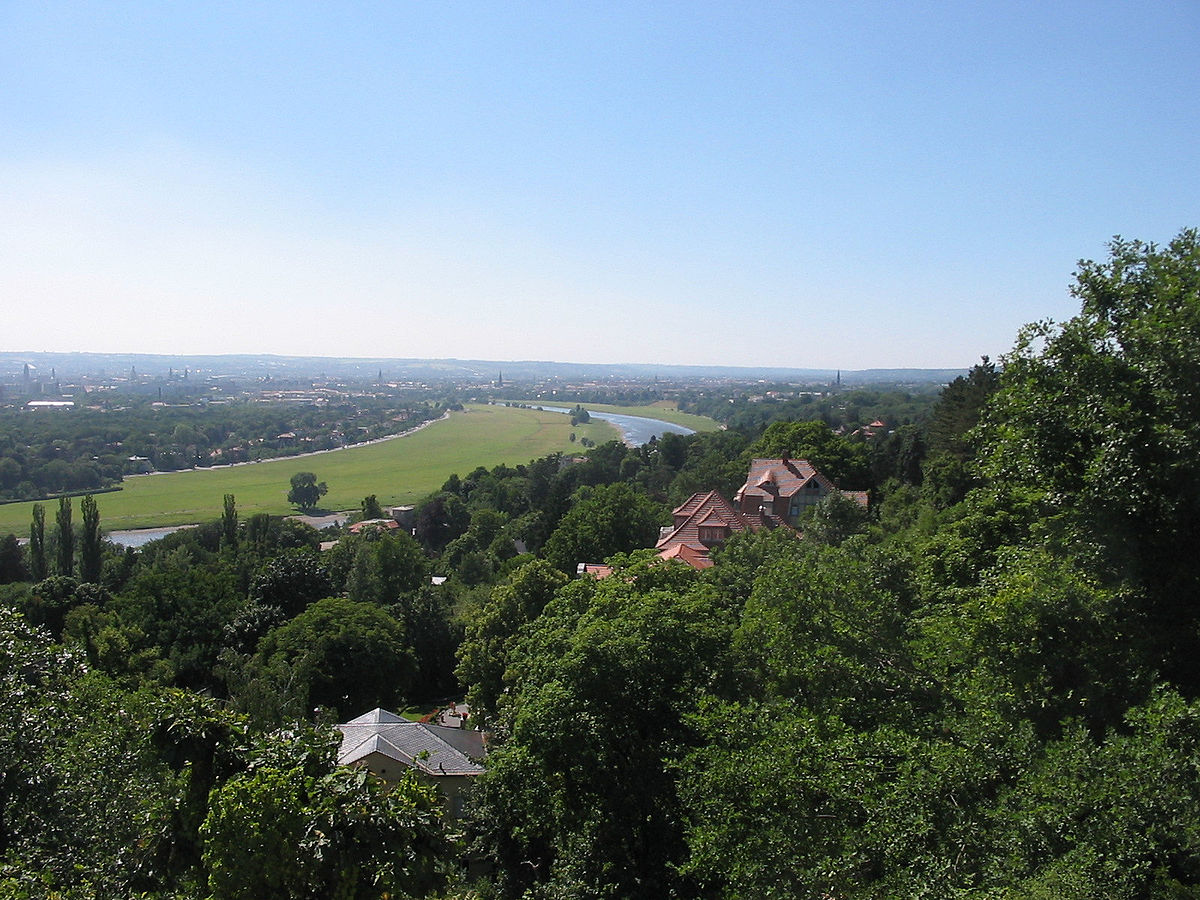
Dresden Elbe Valley
📍 Saxony, Germany
The Dresden Elbe Valley, a UNESCO World Heritage Site, is a cultural landscape that reflects the rich historical and artistic heritage of Saxony, …
Ehrenfriedersdorf Mining Landscape
📍 Saxony, Germany
The Ehrenfriedersdorf Mining Landscape, a significant cultural landscape in Germany, invites visitors to explore a rich history of mining that has …