
Würzburg Residence with the Court Gardens and Residence Square
Overview
The Würzburg Residence with the Court Gardens and Residence Square stands as a remarkable architectural ensemble in Würzburg, Germany. Recognized as a UNESCO World Heritage site, this stunning edifice exemplifies the blend of Baroque artistry and cultural significance. Situated in the heart of Würzburg, the Residence is not only an architectural marvel but also a symbol of the city’s rich history and vibrant cultural life. Visitors can expect to be captivated by the grandeur of the residence, the beauty of the surrounding gardens, and the historical narratives woven throughout the site.
Constructed primarily in the 18th century, the Würzburg Residence showcases the brilliance of its designers and builders, offering insight into the socio-political climate of the time. The residence is surrounded by meticulously landscaped gardens, providing a tranquil retreat amid the bustling city. Exploring this site invites visitors to engage with both the aesthetic beauty and the intricate stories of the past, making it a must-visit for anyone interested in heritage and architecture.
History and Significance
The Würzburg Residence, commissioned by Prince-Bishop Johann Philipp Franz von Schönborn, was designed to reflect the power and influence of the Church during the period. This architectural ensemble holds significant cultural importance, as it represents the culmination of various artistic movements in Europe, particularly the Baroque style, which emphasizes grandeur and drama.
The residence was constructed to serve as a royal palace and administrative center, housing the Prince-Bishop and his court. The choice of Würzburg as the location was strategic, as it was an influential center of power and culture in Franconia. Throughout its history, the Residence has been a witness to numerous events that shaped the region, including the Seven Years’ War and the Napoleonic Wars, which had profound impacts on both the city and its inhabitants.
The site was heavily damaged during World War II, yet its restoration has been a labor of love that underscores the importance of preserving cultural heritage. The successful efforts to restore the Würzburg Residence to its former glory highlight the community’s commitment to remembering and honoring its past. Today, the Residence stands as a symbol of resilience and cultural pride, drawing visitors from around the globe to experience its historical significance.
Architecture and Features
The architectural design of the Würzburg Residence is a stunning example of the Baroque style, characterized by its dramatic use of space, intricate detail, and opulent decoration. The façade of the building is adorned with ornate sculptures and frescoes, showcasing the artistic achievements of the period. One of the most notable features is the grand staircase, which is embellished with exquisite stucco work and serves as a focal point for visitors upon entering the residence.
The interior of the Residence is equally breathtaking, with lavishly decorated rooms that reflect the wealth and power of the Prince-Bishop. The ceremonial rooms, including the Imperial Hall, are adorned with frescoes by Giovanni Battista Tiepolo, renowned for his ability to create dynamic and ethereal compositions. The artistry found within these spaces captures the essence of Baroque elegance and sophistication.
Surrounding the Residence are the Court Gardens, designed to complement the grandeur of the palace. These gardens feature meticulously arranged pathways, flowerbeds, and sculptures that create a harmonious environment for visitors to explore. The design of the gardens reflects the principles of symmetry and balance, common in Baroque landscaping, inviting guests to stroll and appreciate the beauty of nature alongside architectural magnificence.
Visiting Information
When planning a visit to the Würzburg Residence, there are several aspects to consider for a fulfilling experience. The Residence is easily accessible by public transport, with nearby bus and tram stops serving the area. For those traveling by car, parking options exist within walking distance of the site.
Check the official website for current information regarding opening hours and ticket prices, as these can vary by season or special events. It is advisable to allocate at least two to three hours for a comprehensive exploration of both the residence and the gardens. This allows visitors to absorb the intricate details of the architecture and enjoy the serene environment of the gardens.
The best times to visit are during the spring and early fall when the gardens are in full bloom, enhancing the overall experience. However, the Residence attracts visitors year-round, and each season offers a unique atmosphere. Expect to encounter both guided tours and self-guided options, which provide flexibility in how you wish to explore this magnificent site.
Nearby Attractions
The Würzburg Residence is conveniently located near several other attractions that enrich the visitor experience in the region. Here are a few noteworthy sites:
Marienberg Fortress - A short distance from the Residence, this historic fortress offers panoramic views of Würzburg and is steeped in history.
Würzburg Cathedral - Known for its stunning architecture and beautiful interior, this cathedral is a short walk from the Residence and is an essential stop for history enthusiasts.
Old Main Bridge - A picturesque bridge that connects the old town with the fortress, offering scenic views and opportunities for photography.
Neumünster Church - Another architectural gem, this church is situated near the Old Main Bridge and is worth visiting for its artistic features.
Würzburg Market Square - A vibrant area filled with local vendors and cafés, perfect for enjoying local cuisine and soaking in the atmosphere.
Insider Tips
To make the most of your visit to the Würzburg Residence, consider these insider tips:
Photography: While photography is generally permitted, be mindful of any restrictions in specific areas, especially within the interior rooms. Early mornings or late afternoons can offer softer lighting for stunning shots of both the exterior and gardens.
Crowd Avoidance: To avoid the busiest times, aim to visit during weekdays, particularly in the morning. This will allow for a more peaceful experience as you explore the Residence and gardens.
Practical Information
When preparing for your visit to the Würzburg Residence, here are some practical considerations:
What to Bring: Comfortable walking shoes are recommended, as you will be exploring both the Residence and the surrounding gardens. A light jacket may be advisable, especially during cooler months.
Seasonal Considerations: The gardens are particularly beautiful in spring and summer when flowers are in bloom. Autumn offers a different charm, with foliage changing colors. Winter may bring fewer crowds, but be prepared for colder weather.
Frequently Asked Questions
How long should I spend visiting?
A visit typically requires two to three hours to fully appreciate the residence and gardens.
Is photography allowed?
Photography is generally permitted, but check for any specific restrictions in certain areas.
Are there guided tours?
Yes, guided tours are available, offering in-depth insights into the history and architecture of the Residence.
What’s the best time to visit?
The best times to visit are during spring and early fall when the gardens are most vibrant.
Is it wheelchair accessible?
Access to the Residence and gardens is available for those with mobility challenges, but it is advisable to check specific accessibility options.
Can I buy tickets online?
Check the official website for details on ticket availability and purchasing options.
Are there restrooms and cafes?
Facilities are available on-site, including restrooms and options for refreshments.
What should I wear?
Dress comfortably and appropriately for the weather, keeping in mind that you will be walking through gardens and exploring the residence.
More in Baden-Württemberg

Aachtobel
📍 Baden-Württemberg, Germany
Aachtobel, located in the picturesque region of Baden-Württemberg, Germany, serves as a vital natural reserve, offering a serene escape into the …

Aalen Central station
📍 Baden-Württemberg, Germany
Aalen Central Station serves as a vital railway hub in southern Germany’s Baden-Württemberg region, connecting travelers to local and regional …

Aalkistensee
📍 Baden-Württemberg, Germany
Aalkistensee, located in the serene region of Maulbronn in Baden-Württemberg, Germany, is a tranquil lake that invites visitors into its peaceful …

Abbey and Altenmünster of Lorsch
📍 Baden-Württemberg, Germany
The Abbey and Altenmünster of Lorsch is a UNESCO World Heritage site located in the charming town of Lorsch, Germany. This significant cultural …

Abbey of Reichenau
📍 Baden-Württemberg, Germany
The Abbey of Reichenau, a significant monastery located in the serene Reichenau region of Germany, serves as a remarkable window into the religious …

Abbey of Saint Peter in the Black Forest
📍 Baden-Württemberg, Germany
The Abbey of Saint Peter in the Black Forest is a remarkable testament to monastic tradition, offering visitors a direct encounter with the serene …
More Architectural Ensembles

144., 176. und 184. Gemeindeschule
📍 Berlin, Germany
The 144., 176. und 184. Gemeindeschule, an architectural ensemble located in the vibrant city of Berlin, stands as a noteworthy example of educational …

Adelheidstraße 3–7, 9–12, 12a, 14, 15, 22–31, Amelungstraße 1, Friedrich-Ebert-Platz
📍 Lower Saxony, Germany
In the heart of Quedlinburg, Germany, lies a captivating architectural ensemble that reflects the town’s historical significance and cultural …

Aegidiimarkt
📍 Lower Saxony, Germany
Aegidiimarkt is a captivating architectural ensemble located in the heart of Münster, Germany. This vibrant square not only serves as a hub for local …
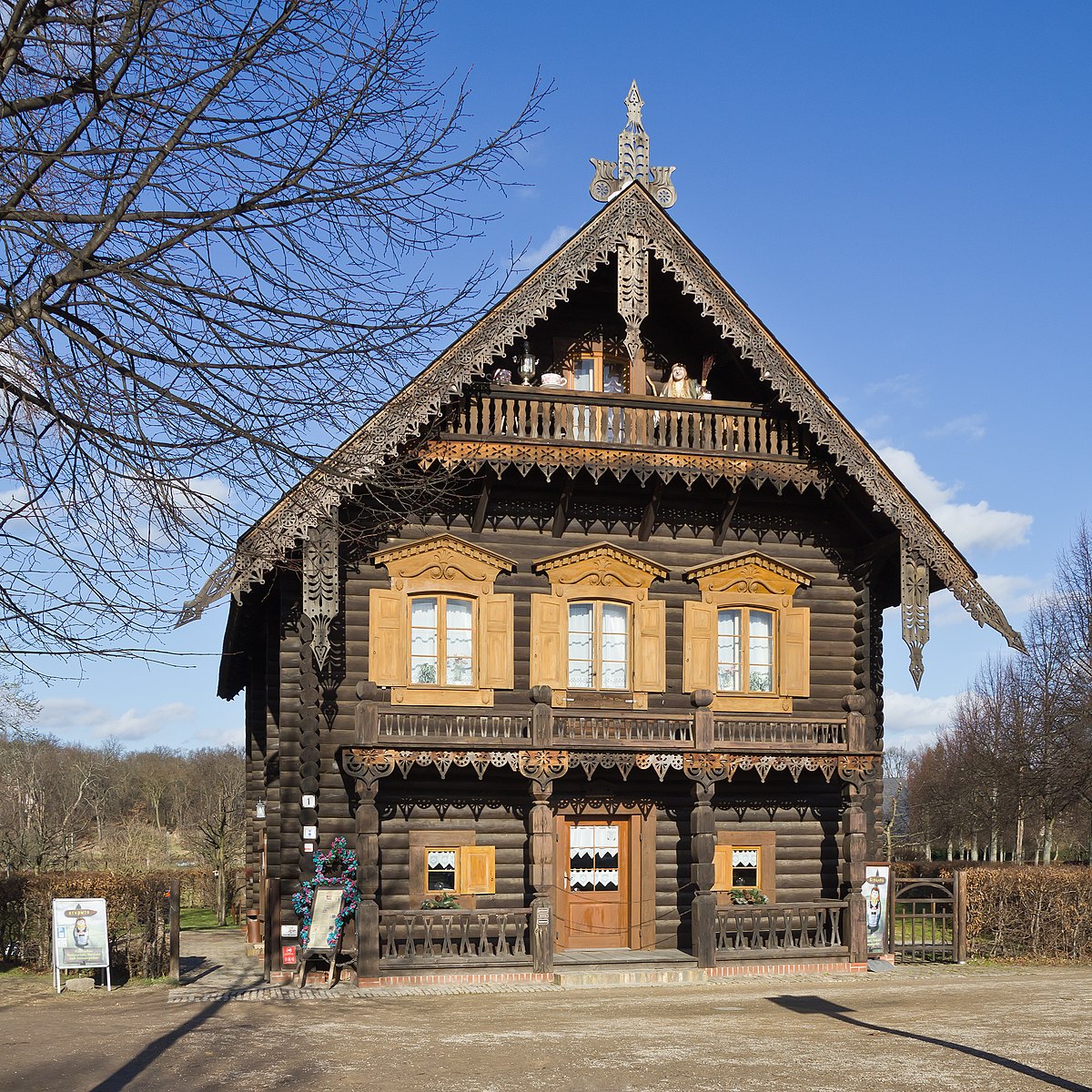
Alexandrowka
📍 Brandenburg, Germany
Located in the picturesque city of Potsdam, Germany, Alexandrowka is an intriguing architectural ensemble that reflects a unique blend of Russian and …

Alhauser Hammer
📍 North Rhine-Westphalia, Germany
Alhauser Hammer is a remarkable architectural ensemble located in Ennepetal, Germany, known for its historical significance as a water-driven hammer …

Alsdorfer Ölmühle
📍 North Rhine-Westphalia, Germany
The Alsdorfer Ölmühle, an architectural ensemble located in the heart of Alsdorf, Germany, is a remarkable example of a traditional watermill that …