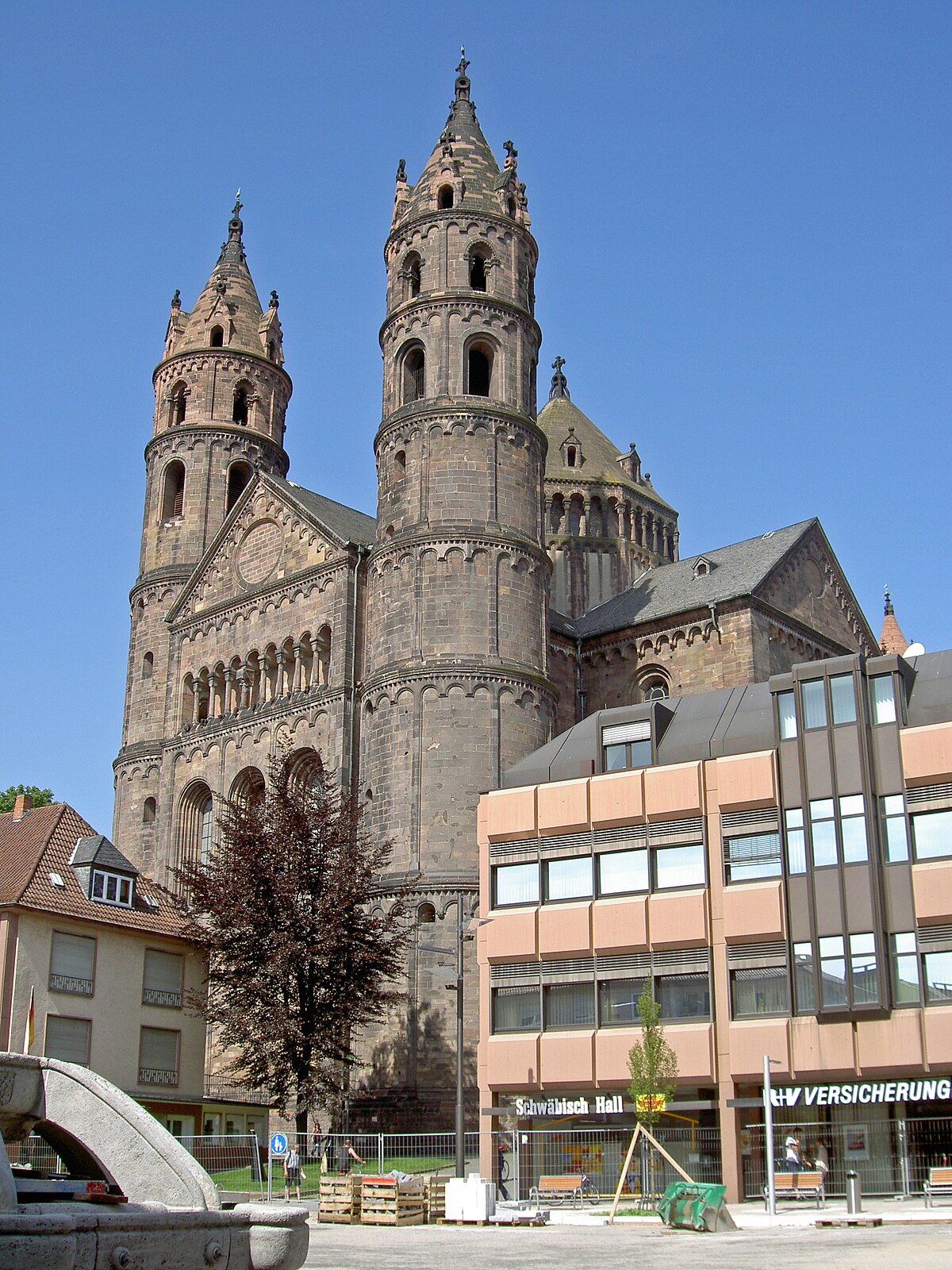
Worms Cathedral
Overview
Worms Cathedral, officially known as the Cathedral of St. Peter, is a remarkable Catholic cathedral located in the heart of Worms, Germany. This architectural marvel is not only a place of worship but also a significant historical landmark that has witnessed centuries of European history unfold. With its striking Romanesque architecture and towering presence, the cathedral has become an iconic feature of the Worms skyline, drawing visitors from around the globe who come to admire its grandeur and spiritual significance.
Positioned at coordinates 49.630277777, 8.359722222, Worms is a city that is steeped in history, famously associated with figures such as Martin Luther, who was a key player in the Reformation. The cathedral itself is a testament to the cultural and religious heritage of the region and has served as a focal point for community life since its establishment. As you explore this magnificent site, you will find that it offers more than just architectural beauty; it encapsulates the essence of a city where history, faith, and art converge.
Visitors can expect to immerse themselves in a space that has served the Catholic Church for generations, while also reflecting the artistic and cultural movements that have shaped its existence. From its intricate designs to its storied past, Worms Cathedral promises a compelling experience for those interested in both heritage and spirituality.
History and Significance
The history of Worms Cathedral is intricately tied to the development of the city itself. While exact dates are not detailed, the cathedral has played a crucial role in the religious life of the region for many centuries. It has served as a vital ecclesiastical center and a symbol of faith for the local community. The significance of the cathedral extends beyond its religious functions; it is also a monument to the power struggles and social changes that have unfolded in Germany over the ages.
In particular, Worms is known for being a pivotal site during the Protestant Reformation. The city hosted the Diet of Worms in 1521, where Martin Luther famously defended his beliefs before Emperor Charles V. The cathedral has since been a site of reflection and remembrance for these monumental events in history, highlighting its role not only as a place of worship but also as a historical landmark of profound importance.
The influence of Worms Cathedral is further evidenced by its architectural style, which has inspired numerous structures throughout Germany and beyond. As a Romanesque cathedral, it features elements typical of this architectural movement, including rounded arches, thick walls, and detailed stone carvings. The cathedral’s enduring presence serves as a reminder of the interconnectedness of faith, culture, and history in shaping the identity of this region.
Architecture and Features
Worms Cathedral is notable for its impressive Romanesque architecture, characterized by robust structural elements and decorative artistry. The cathedral’s façade presents a striking visual impression, with its twin towers rising prominently above the surrounding buildings. The use of red sandstone gives the structure a distinctive appearance that sets it apart from many other cathedrals in Germany.
As you approach the cathedral, you will notice the intricacies of its design, including ornate sculptures and reliefs that adorn the exterior. These artistic elements not only serve a decorative purpose but also convey stories and messages pertinent to the faith and history of the church.
Inside, the cathedral features a spacious and serene nave that draws visitors in with its high ceilings and beautifully crafted columns. The ambiance of the interior is enhanced by the play of light filtering through the stained glass windows, which depict various biblical scenes and figures. These windows are not just artistic achievements; they also serve to educate worshippers and visitors alike about the narratives central to the Christian faith.
Additionally, the cathedral houses several chapels, each with unique altars and artworks that further enrich the experience for those who enter. The overall layout and design of Worms Cathedral reflect both its spiritual significance and its role as a gathering place for the community throughout history.
Visiting Information
Visiting Worms Cathedral offers a unique opportunity to engage with both its spiritual atmosphere and its historical context. To reach the cathedral, travelers can utilize various forms of transport, including public transportation options that connect to central Worms. It is advisable to check the official website for current information on hours and prices as these details may vary, especially during holidays or special events.
When planning your visit, consider dedicating sufficient time to fully appreciate the cathedral and its surroundings. A visit typically requires at least an hour to explore the main features of the cathedral, but allowing additional time for reflection and photography is recommended.
The best times to visit are generally during weekdays when crowds may be lighter, allowing for a more personal experience. However, weekends and religious services can draw larger groups, which may impact the serenity of your visit.
Expect to find an environment conducive to contemplation and exploration, with friendly staff available to provide information and assistance as needed. The cathedral is equipped to welcome visitors of all backgrounds, ensuring that everyone can enjoy its beauty and significance.
Nearby Attractions
While Worms Cathedral is undoubtedly a highlight, the city of Worms offers several nearby attractions that are worth exploring:
Luther Monument: This impressive monument commemorates Martin Luther’s pivotal role in the Reformation and is situated near the cathedral, making it a fitting complement to your visit.
Jewish Cemetery: One of the oldest Jewish cemeteries in Europe, this site provides insight into the rich Jewish heritage of Worms and is a place of reflection.
Nibelungenmuseum: This museum celebrates the legend of the Nibelungen, an important part of German mythology. It offers a fascinating look at the cultural narratives that have shaped the region.
St. Andreas Church: Another beautiful church in Worms, St. Andreas features Gothic architecture and is known for its artistic interior.
Worms’ Old Town: A charming area filled with historical buildings, quaint shops, and local eateries, the Old Town invites leisurely strolls and offers a glimpse into the city’s past.
Insider Tips
For those planning to visit Worms Cathedral, here are a few insider tips to enhance your experience:
Photography: While photography is generally permitted, be mindful of the worshippers and the sanctity of the space, particularly during services.
Crowd Avoidance: To avoid larger crowds, consider visiting early in the morning or later in the afternoon on weekdays. This will allow for a more peaceful visit and better opportunities for photographs.
Dress Code: Since it is a place of worship, dressing modestly is advisable. Comfortable shoes are also recommended for exploring both the cathedral and its surrounding areas.
Practical Information
When preparing for your visit to Worms Cathedral, consider bringing the following items:
Comfortable Walking Shoes: The cathedral and nearby attractions are best explored on foot, so wear shoes that are suitable for walking.
Water Bottle: Staying hydrated is important, especially during warmer months.
Camera: To capture the beauty of the cathedral and its surroundings, a camera or smartphone is a must.
Be aware of seasonal considerations, as the cathedral may experience increased visitation during religious holidays or special events. It’s wise to check the official website for any seasonal changes in hours or specific events taking place during your visit.
Frequently Asked Questions
How long should I spend visiting?
A visit to Worms Cathedral generally requires at least an hour, but you may wish to spend more time exploring the surrounding area and nearby attractions.
Is photography allowed?
Yes, photography is generally permitted, but be respectful of the worshippers and the sanctity of the space.
Are there guided tours?
Guided tours may be available; check the official website for information on scheduling and availability.
What’s the best time to visit?
Weekdays, particularly in the morning or late afternoon, tend to be less crowded, providing a more intimate experience.
Is it wheelchair accessible?
Check the official website for information regarding accessibility options and facilities.
Can I buy tickets online?
Ticket purchasing options may vary; it’s advisable to check the official website for current information.
Are there restrooms and cafes?
Visitor facilities may be available; check the official website for details on amenities.
What should I wear?
Dress modestly as it is a place of worship, and comfortable shoes are recommended for walking.
Worms Cathedral stands as a significant landmark, inviting visitors to immerse themselves in its architectural beauty and rich history. Whether you are drawn by faith, history, or art, this remarkable site promises a memorable experience.
More in Baden-Württemberg

Aachtobel
📍 Baden-Württemberg, Germany
Aachtobel, located in the picturesque region of Baden-Württemberg, Germany, serves as a vital natural reserve, offering a serene escape into the …

Aalen Central station
📍 Baden-Württemberg, Germany
Aalen Central Station serves as a vital railway hub in southern Germany’s Baden-Württemberg region, connecting travelers to local and regional …

Aalkistensee
📍 Baden-Württemberg, Germany
Aalkistensee, located in the serene region of Maulbronn in Baden-Württemberg, Germany, is a tranquil lake that invites visitors into its peaceful …

Abbey and Altenmünster of Lorsch
📍 Baden-Württemberg, Germany
The Abbey and Altenmünster of Lorsch is a UNESCO World Heritage site located in the charming town of Lorsch, Germany. This significant cultural …

Abbey of Reichenau
📍 Baden-Württemberg, Germany
The Abbey of Reichenau, a significant monastery located in the serene Reichenau region of Germany, serves as a remarkable window into the religious …

Abbey of Saint Peter in the Black Forest
📍 Baden-Württemberg, Germany
The Abbey of Saint Peter in the Black Forest is a remarkable testament to monastic tradition, offering visitors a direct encounter with the serene …
More Catholic Cathedrals

Augsburg Cathedral
📍 Bavaria, Germany
Augsburg Cathedral, a striking example of Gothic architecture, is not only a religious site but also a cornerstone of historical and cultural …

Bamberg Cathedral
📍 Bavaria, Germany
Bamberg Cathedral, a prominent Roman Catholic cathedral located in the heart of Bamberg, Germany, serves as a magnificent example of medieval …

Dom St.Peter und Paul in Brandenburg
📍 Brandenburg, Germany
Dom St. Peter und Paul in Brandenburg is not merely a religious structure; it is a significant landmark that encapsulates centuries of history and …

Hildesheim Cathedral
📍 Lower Saxony, Germany
Hildesheim Cathedral, also known as St. Mary’s Cathedral, is not only a central place of worship in Hildesheim, Germany; it is also a significant …

Mainz Cathedral
📍 Hesse, Germany
The Mainz Cathedral, a prominent Catholic cathedral located in the heart of Mainz, Germany, is a remarkable architectural masterpiece that reflects …

Speyer Cathedral
📍 Baden-Württemberg, Germany
Speyer Cathedral, a prominent Catholic cathedral located in the heart of Speyer, Germany, is an architectural marvel with a rich heritage. This UNESCO …