Overview
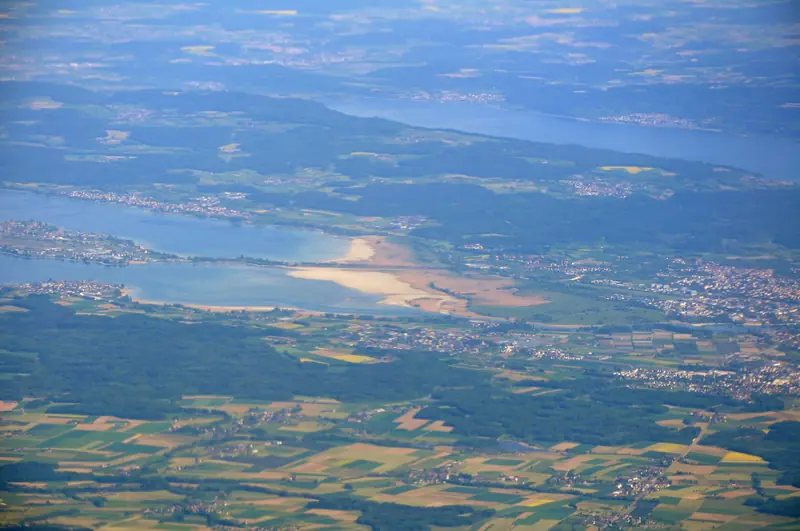
Wollmatinger Ried - Untersee - Gnadensee represents a vital ecological sanctuary located in the Baden-Württemberg region of Germany. This nature reserve plays a crucial role in preserving the diverse habitats of flora and fauna while providing a haven for nature enthusiasts and researchers alike. With its expansive wetlands, forests, and meadows, the reserve is integral to the local ecosystem and is particularly significant for birdwatching, attracting various migratory birds throughout the year.
Situated on the shores of Lake Constance, or Bodensee, the site offers a unique blend of natural beauty and ecological importance. The reserve’s location at the confluence of several habitats creates a rich environment for various species, making it an essential area for conservation and education. Visitors can immerse themselves in the tranquility of the landscape, taking advantage of well-maintained trails that encourage exploration and discovery.
Wollmatinger Ried is not just a sanctuary for wildlife; it is also a place of learning and reflection, where individuals can appreciate the complexities of nature and the importance of preserving biodiversity. Anyone seeking respite from the bustling city life will find solace in the serene surroundings of this remarkable reserve.
History and Significance
While specific historical details about Wollmatinger Ried are not extensively documented, the significance of this nature reserve undoubtedly lies in its ecological diversity. Over the years, conservation efforts have been essential in maintaining the habitat’s integrity, particularly given the pressures of urban development and climate change.
The reserve is home to various ecosystems, including wetlands, floodplains, and forests, which support a wide variety of species. It is particularly known for its rich birdlife, with many species of migratory birds making stops here during their seasonal journeys. This variety underscores the area’s importance as a stopping point for birds traveling across Europe, making it a key site for ornithological studies.
In addition to its function as a habitat, Wollmatinger Ried serves a vital educational purpose. The reserve offers opportunities for research and study, contributing to a broader understanding of ecological processes and conservation methods. Its significance is amplified by ongoing conservation initiatives aimed at preserving the delicate balance of its ecosystems.
As environmental awareness grows, Wollmatinger Ried stands at the forefront of efforts to promote sustainable practices and educate visitors about the importance of protecting natural habitats. The commitment to conservation and education reflects a broader societal shift towards recognizing the value of preserving natural environments for future generations.
Architecture and Features
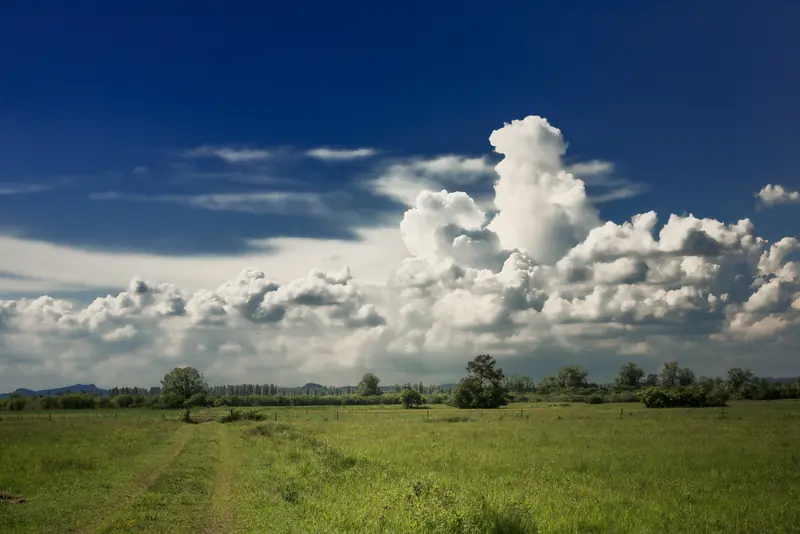
Wollmatinger Ried is characterized by its varied landscapes, which include wetlands, meadows, and dense forests. The natural features of the reserve create an intricate mosaic of habitats that support a wide array of wildlife. This variety is crucial for maintaining ecological balance, as different species thrive in different environments.
One of the reserve’s notable features is its extensive network of walking and cycling trails. These paths allow visitors to explore the picturesque surroundings and engage with nature up close. The trails are designed to provide access to various habitats without disturbing the wildlife, ensuring that visitors can enjoy the beauty of the area while also playing a role in its preservation.
The reserve encourages biodiversity through the maintenance of natural water bodies, which serve as breeding grounds for numerous aquatic species. These areas are vital for the local ecosystem and attract many bird species, making them ideal spots for birdwatching. Observers can appreciate the dynamic interactions between species in their natural habitats, fostering a deeper connection with the environment.
While the reserve does not feature man-made architectural elements in the traditional sense, the thoughtful design of walking paths and viewing platforms enhances the visitor experience. These features are intended to blend harmoniously with the natural landscape, allowing guests to appreciate the beauty of Wollmatinger Ried without detracting from its ecological significance.
Visiting Information
To reach Wollmatinger Ried, travelers can utilize various transportation options available in the region. The reserve is accessible via public transport, including buses and trains that connect to nearby towns. For those traveling by car, ample parking facilities are available near the entrance, making it convenient for visitors to explore the reserve at their own pace.
The nature reserve is open to visitors year-round, but specific hours and seasonal considerations may apply. For the most accurate and current information regarding opening times and potential entrance fees, it is advisable to check the official website prior to planning your visit.
Visitors can expect to spend a few hours exploring the reserve, depending on their interests and the extent to which they wish to hike or engage with the environment. The network of trails offers opportunities for leisurely walks, birdwatching, and photography.
The best times to visit Wollmatinger Ried are during the spring and autumn months. These seasons coincide with the migration patterns of various bird species, providing exceptional birdwatching opportunities. Additionally, the changing foliage during these times enhances the visual appeal of the landscape, making it an ideal period for photography.
Nearby Attractions
While Wollmatinger Ried is a destination in its own right, several nearby attractions can enhance your visit to the region:
Lake Constance (Bodensee): Just a stone’s throw away, Lake Constance is a picturesque area ideal for boating, swimming, and scenic walks along the waterfront.
Mainau Island: Famous for its botanical gardens and floral displays, this island offers a delightful escape with its stunning landscapes and well-maintained paths.
Konstanz: This charming city, located at the western end of Lake Constance, features a historic old town, vibrant cafes, and fascinating museums, making it a perfect spot for cultural exploration.
Reichenau Island: Known for its monastic heritage and UNESCO World Heritage status, this island offers visitors a glimpse into the region’s rich history and serene landscapes.
Meersburg Castle: A short drive away, this medieval castle provides visitors with a fascinating look into the region’s past, along with breathtaking views of the lake.
Insider Tips
For photographers, early mornings or late afternoons are optimal for capturing the beauty of Wollmatinger Ried. The soft light during these times enhances the natural colors of the landscape, creating stunning images. Additionally, visiting during the migration seasons offers opportunities to photograph a variety of bird species.
To avoid crowds, consider visiting on weekdays, particularly during the early hours. This strategy allows for a more tranquil experience, enabling visitors to immerse themselves fully in the natural surroundings.
Practical Information
When planning a visit to Wollmatinger Ried, it is essential to bring appropriate footwear, as the trails can be uneven and muddy, especially after rainfall. A good pair of binoculars can enhance the birdwatching experience, allowing visitors to observe wildlife from a distance without disturbing them.
Seasonal considerations also play a role in planning your visit. Spring and autumn are particularly popular due to migratory birds, while summer offers lush greenery and vibrant wildflowers. Winter, though quiet, provides a different perspective on the landscape, especially for those who enjoy a peaceful retreat.
Remember to check the official website for any specific guidelines or recommendations prior to your visit, ensuring an enjoyable and informative experience at this remarkable nature reserve.
Frequently Asked Questions
How long should I spend visiting?
A visit to Wollmatinger Ried typically takes about two to four hours, depending on your interest in hiking and birdwatching.
Is photography allowed?
Yes, photography is permitted throughout the reserve, but it is essential to respect wildlife and maintain a safe distance.
Are there guided tours?
While specific guided tours may not be regularly scheduled, the reserve often provides information on self-guided exploration. Check the official website for any special educational programs.
What’s the best time to visit?
Spring and autumn are ideal for birdwatching due to migratory patterns, while summer offers lush landscapes.
Is it wheelchair accessible?
Certain areas of Wollmatinger Ried may be accessible, but it is advisable to check the official website for specific details regarding accessibility.
Can I buy tickets online?
Check the official website for current information on entrance fees and ticket purchasing options.
Are there restrooms and cafes?
Facilities may be limited within the reserve. It is best to check the official website for information about available amenities.
What should I wear?
Dress appropriately for outdoor activities, including sturdy footwear and weather-appropriate clothing. Layers are recommended, as temperatures can fluctuate throughout the day.
Photo Gallery