
Wohnbauten im Milchquartier
Overview
In the heart of Bremen’s Mitte district lies Wohnbauten im Milchquartier, an architectural ensemble that captures the essence of early 20th-century urban living. This remarkable collection of buildings reflects the innovative spirit of the time, providing a glimpse into the city’s architectural evolution. As you wander through the streets of the Milchquartier, you will encounter a harmonious blend of design and function, emphasizing the importance of community and quality of life in urban settings. With its strategic location and cultural significance, the Wohnbauten im Milchquartier is a must-visit for anyone looking to understand Bremen’s architectural heritage.
The area is not just a visual delight; it represents a significant chapter in Bremen’s history, showcasing how architecture can influence societal development. Visitors to this site will find themselves immersed in a narrative that intertwines the past with modern urban living, making it a perfect spot for those interested in architecture, history, and the evolution of communal living spaces.
History and Significance
The Wohnbauten im Milchquartier is an exemplary architectural ensemble that reflects the socio-economic changes in Bremen during the early 1900s. The area was developed as part of a broader initiative to provide affordable housing for the working class, illustrating the city’s response to rapid industrialization and the subsequent housing crisis. This architectural ensemble embodies the principles of social reform, aiming to improve living conditions and promote community living, which were crucial during this transformative period.
The design ethos of the Wohnbauten im Milchquartier is rooted in the principles of the garden city movement, which sought to create self-sufficient communities surrounded by green spaces. The buildings themselves are designed to foster social interaction among residents, with shared courtyards and communal areas playing a central role in daily life. This focus on community living reflects the progressive ideals of the early 20th century, where the importance of social cohesion was paramount.
As you explore the Milchquartier, you will appreciate how these buildings are not merely structures; they are a reflection of the historical context in which they were built. They stand as a symbol of Bremen’s commitment to social responsibility and urban planning, making it a significant case study in architectural history. Visitors can engage with the narratives embedded in these walls, gaining insights into the lives of those who inhabited them and the changing dynamics of urban living.
Architecture and Features
The architectural design of Wohnbauten im Milchquartier is a captivating mix of functionality and aesthetic appeal, characterized by its distinctive features that define the ensemble. The buildings, primarily constructed in the early 20th century, showcase elements of the architectural styles prevalent during that era, including influences from the Art Nouveau movement.
One notable aspect of the Wohnbauten is its emphasis on communal spaces. The layout typically includes shared courtyards, which serve as communal gathering spots for residents, fostering a sense of belonging and community. The buildings are often adorned with decorative facades, featuring intricate details that reflect the craftsmanship of the time. You will find various motifs and ornamentations that highlight the artistic sensibilities of the architects involved in the project.
The ensemble’s design also incorporates functional features aimed at enhancing the quality of life for residents. Large windows allow for ample natural light, while balconies and terraces provide private outdoor spaces. This thoughtful integration of functionality with design is one of the standout characteristics of this architectural gem.
Walking through the Milchquartier, you will experience the harmonious blend of different architectural elements that come together to create a cohesive environment. The careful attention to detail and the commitment to community-oriented design make Wohnbauten im Milchquartier a significant example of urban architecture that continues to resonate with visitors today.
Visiting Information
Visiting Wohnbauten im Milchquartier offers a unique opportunity to immerse yourself in Bremen’s architectural history. The site is accessible via public transport, making it convenient to include in your itinerary. Check the official website for current information regarding visiting hours and ticket prices, as these can vary by season and special events.
When planning your visit, allocate a few hours to fully appreciate the architectural details and the surrounding atmosphere. The best times to visit are during the weekdays when the area is less crowded, providing a more intimate experience with the ensemble. Early mornings or late afternoons can also offer beautiful natural light for photography.
As you explore the area, you can expect a peaceful ambiance, with the chance to engage in leisurely walks while observing the intricate designs of the buildings. Be sure to wear comfortable shoes, as the best way to appreciate the site is on foot.
Nearby Attractions
While visiting Wohnbauten im Milchquartier, consider exploring these nearby attractions to enrich your experience in Bremen:
Bremen Cathedral (St. Petri Dom): This stunning Gothic cathedral is a short distance away and offers a glimpse into Bremen’s medieval past.
Schnoor Quarter: A charming network of narrow streets filled with historic buildings, shops, and cafes, perfect for a leisurely stroll.
Bremen Town Hall: A UNESCO World Heritage site, this impressive building represents the city’s rich history and architectural prowess.
Böttcherstraße: Known for its unique expressionist architecture, this street features art galleries, shops, and the famous Glockenspiel House.
Universum Bremen: An interactive science museum that promises a fun and educational experience for visitors of all ages.
Insider Tips
To make the most of your visit to Wohnbauten im Milchquartier, keep these insider tips in mind:
Photography: Bring your camera to capture the stunning architectural details, especially during the golden hours of sunrise or sunset for the best lighting.
Crowd Avoidance: Visiting during the weekdays or early mornings can help you avoid larger crowds, allowing for a more serene exploration of the area.
Engage with Locals: If possible, strike up conversations with residents or local historians to gain further insights into the significance of the ensemble and the community it fosters.
Practical Information
Before you head out to Wohnbauten im Milchquartier, consider the following practical information to ensure a smooth visit:
What to Bring: Comfortable walking shoes, a camera, and a notepad for jotting down thoughts or sketches can enhance your experience.
Seasonal Considerations: Check the weather forecast ahead of your visit, as this will affect your exploration plans. Spring and fall are generally pleasant times to visit Bremen.
Local Amenities: While there may not be extensive amenities on-site, nearby cafes and shops offer refreshments and a chance to take a break during your visit.
Frequently Asked Questions
How long should I spend visiting?
A visit typically takes about 2-3 hours, allowing ample time to explore the architectural details and enjoy the surroundings.
Is photography allowed?
Yes, photography is generally permitted, but be respectful of residents and their privacy.
Are there guided tours?
Check the official website for information on any available guided tours that may enhance your understanding of the site.
What’s the best time to visit?
Weekdays, particularly in the early morning or late afternoon, are ideal for avoiding crowds.
Is it wheelchair accessible?
Accessibility details may vary; check the official website for specific information regarding wheelchair access.
Can I buy tickets online?
For the latest information on ticket purchasing options, including online availability, check the official website.
Are there restrooms and cafes?
Local amenities may be limited, so it’s advisable to plan accordingly for restroom breaks and refreshments.
What should I wear?
Comfortable clothing and shoes are recommended, as you will likely be walking and exploring the area thoroughly.
By keeping these insights in mind, you can enhance your visit to Wohnbauten im Milchquartier and appreciate the unique architectural and cultural narrative it offers.
More in Bremen

Achterdiekpark
📍 Bremen, Germany
Achterdiekpark, located in the peaceful district of Oberneuland, Germany, is a sanctuary for nature lovers and a welcome retreat from urban life. This …

Ahlen-Falkenberger Moor, Halemer/Dahlemer See
📍 Bremen, Germany
Ahlen-Falkenberger Moor, located in the Steinau region of Lower Saxony, Germany, is a remarkable nature reserve that showcases the region’s unique …

Ahlershorst
📍 Bremen, Germany
Ahlershorst is a captivating nature reserve located in Lower Saxony, Germany, specifically within the Geestland region. This expansive area serves as …

Alfred Wegener Institute for Polar and Marine Research
📍 Bremen, Germany
The Alfred Wegener Institute for Polar and Marine Research, located in Bremerhaven, Germany, stands as a cornerstone of scientific inquiry into the …

Alt-Leher Schule
📍 Bremen, Germany
In the heart of Bremerhaven, Germany, lies the Alt-Leher Schule, an architectural ensemble that encapsulates the history of educational architecture …

Am Stadtwaldsee (Uni-Wildnis)
📍 Bremen, Germany
Am Stadtwaldsee, known locally as Uni-Wildnis, is a captivating nature reserve located in Bremen, Germany. This serene expanse of land serves as a …
More Architectural Ensembles

144., 176. und 184. Gemeindeschule
📍 Berlin, Germany
The 144., 176. und 184. Gemeindeschule, an architectural ensemble located in the vibrant city of Berlin, stands as a noteworthy example of educational …

Adelheidstraße 3–7, 9–12, 12a, 14, 15, 22–31, Amelungstraße 1, Friedrich-Ebert-Platz
📍 Lower Saxony, Germany
In the heart of Quedlinburg, Germany, lies a captivating architectural ensemble that reflects the town’s historical significance and cultural …

Aegidiimarkt
📍 Lower Saxony, Germany
Aegidiimarkt is a captivating architectural ensemble located in the heart of Münster, Germany. This vibrant square not only serves as a hub for local …
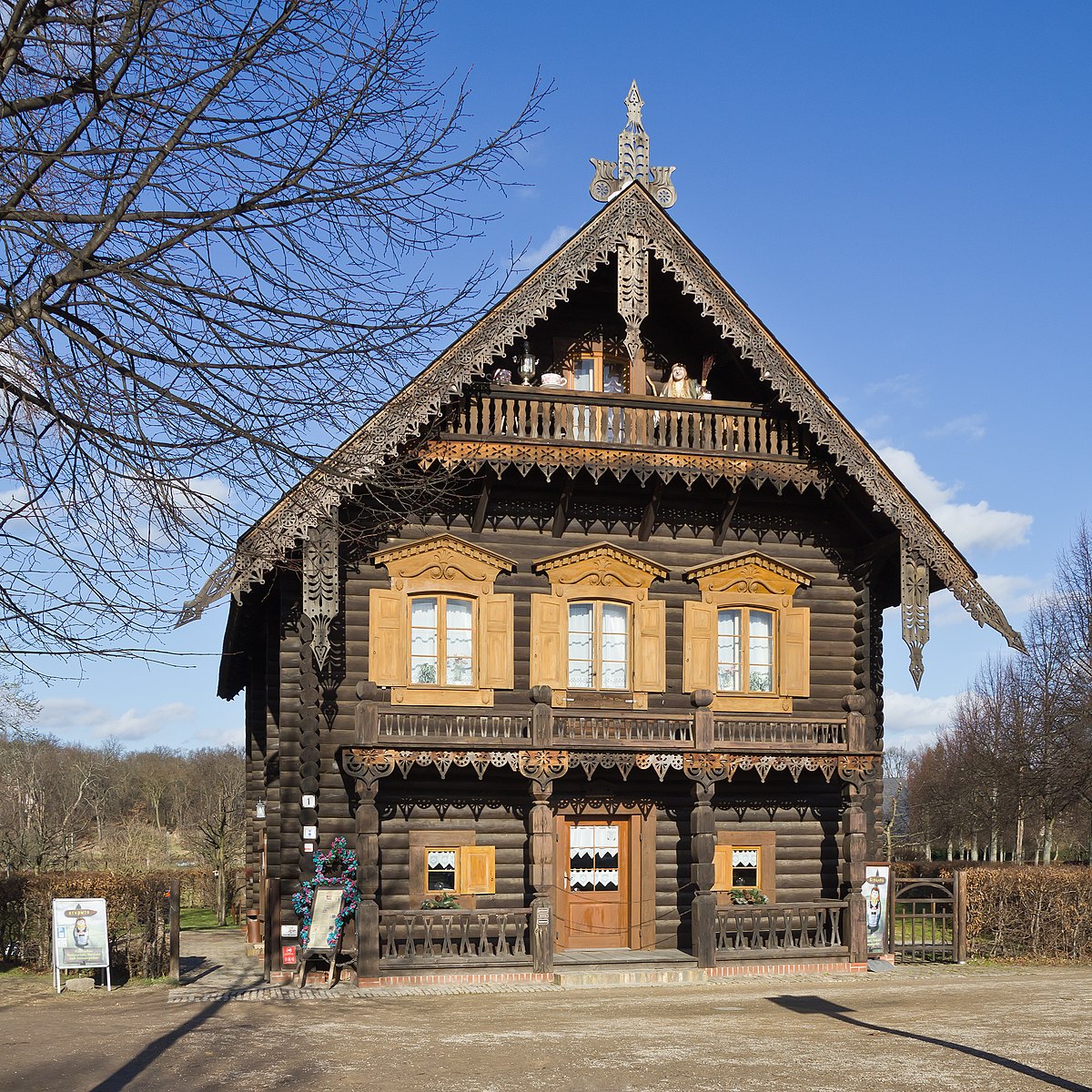
Alexandrowka
📍 Brandenburg, Germany
Located in the picturesque city of Potsdam, Germany, Alexandrowka is an intriguing architectural ensemble that reflects a unique blend of Russian and …

Alhauser Hammer
📍 North Rhine-Westphalia, Germany
Alhauser Hammer is a remarkable architectural ensemble located in Ennepetal, Germany, known for its historical significance as a water-driven hammer …

Alsdorfer Ölmühle
📍 North Rhine-Westphalia, Germany
The Alsdorfer Ölmühle, an architectural ensemble located in the heart of Alsdorf, Germany, is a remarkable example of a traditional watermill that …