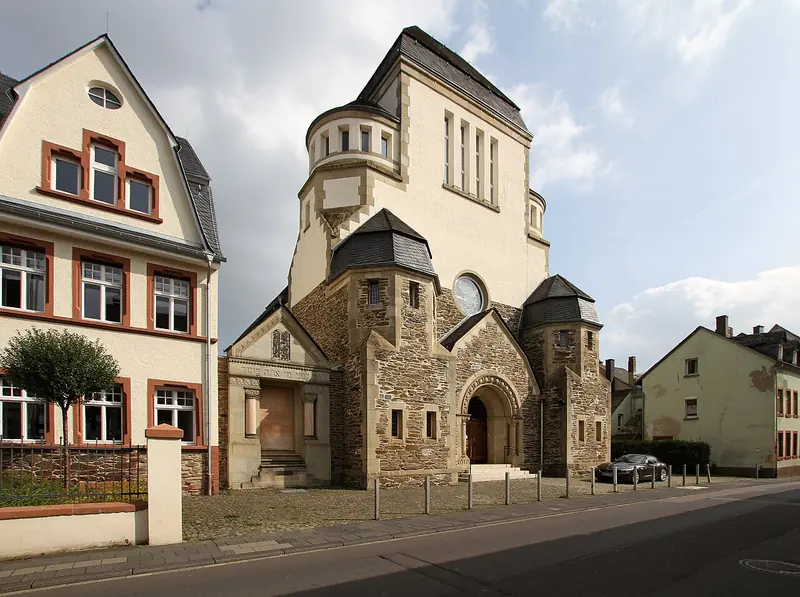
Overview
The Wittlich Synagogue, a former place of worship located in the town of Wittlich, Germany, stands as an important symbol of the Jewish heritage in this region. This historic site offers visitors a glimpse into the rich cultural and religious history that characterized the Jewish community in Germany before the devastating impacts of World War II. With its roots deeply embedded in the social fabric of the town, the synagogue not only served as a religious center but also as a gathering place for the local Jewish population. Today, it stands as a poignant reminder of the community’s vibrant past.
Wittlich, situated in the Moselle region, is known for its charming streets and historical architecture. The synagogue’s location allows for easy access to other significant sites in the area, making it a worthy stop for travelers interested in exploring the cultural landscape of Germany. As you approach the site, the stories of resilience and faith that echo from its walls invite contemplation and reflection, offering a profound experience for all who visit.
History and Significance
The history of the Wittlich Synagogue is intertwined with the broader narrative of Jewish life in Germany. While specific dates and events may not be documented in detail, the synagogue was established during a time when Jewish communities were flourishing across the country. These communities contributed significantly to the social, economic, and cultural life of their towns, and the Wittlich Synagogue served as a focal point for worship, education, and communal activities.
Throughout its history, the synagogue witnessed various transformations in the Jewish community, which faced both periods of prosperity and challenges. The rise of antisemitism, particularly in the late 19th and early 20th centuries, posed significant threats to Jewish life in Germany. The synagogue became more than just a place of worship; it was a sanctuary for a community facing increasing discrimination and violence.
The synagogue’s significance extends beyond its architectural features; it embodies the resilience of a community that faced immense hardship. With the advent of World War II and the Holocaust, many Jewish communities, including that of Wittlich, were devastated. The synagogue, like countless others, was closed and fell into disrepair, symbolizing the loss of a vibrant community.
Today, the site serves as a reminder of the Jewish heritage in Wittlich and the importance of preserving such sites for future generations. It stands as a space for education and reflection, allowing visitors to engage with the historical narrative of the Jewish community in this region.
Architecture and Features
Although specific architectural details of the Wittlich Synagogue are not provided, synagogues of this era typically feature distinctive elements that reflect their religious significance and cultural heritage. These may include a main sanctuary, a bimah (elevated platform), and an area for the Torah scrolls, all designed to foster a sense of community and reverence.
The structure likely showcases traditional Jewish architectural elements, such as arches and ornamental motifs, which are common in synagogues built in Europe during the 19th century. The use of local materials may also be evident, emphasizing the connection between the building and its surroundings.
Visitors to the synagogue can expect to find a serene atmosphere that encourages reflection. The historical context of the building enhances its architectural features, inviting contemplation on the stories and lives that once filled the space with activity and faith.
Visiting Information
Visiting the Wittlich Synagogue provides a meaningful opportunity to connect with the history of the Jewish community in the area. Access to the site is relatively straightforward, with local transport options available for those traveling from nearby towns or cities.
When planning your visit, be sure to check the official website for the most current information regarding opening hours and any potential fees. Visitors should allocate enough time to fully appreciate the site and its significance; a visit might typically last around an hour, allowing for exploration and reflection.
The best times to visit are often during weekdays when the site may be less crowded, providing a more intimate experience. Given the synagogue’s historical importance, visitors should approach their experience with respect and mindfulness, acknowledging the site’s role in the local community’s history.
Nearby Attractions
While visiting the Wittlich Synagogue, there are several nearby attractions worth exploring:
Wittlich Town Center: Stroll through the charming streets of Wittlich, where you can discover local shops, cafes, and historical buildings that reflect the town’s character.
Moselle River: The picturesque Moselle River offers beautiful landscapes and opportunities for leisurely walks along its banks, ideal for enjoying the natural beauty of the region.
St. Markus Church: This prominent church in Wittlich is known for its architectural beauty and historical significance, providing another layer to the town’s religious history.
Roman Villa of Wittlich: Explore the archaeological remains of this ancient Roman site, which showcases the region’s rich history dating back to Roman times.
Local Wine Estates: The Moselle region is famous for its vineyards. Consider visiting one of the local wine estates to taste the unique wines produced in this area.
Insider Tips
When visiting the Wittlich Synagogue, be mindful of the following tips to enhance your experience:
Photography: If you’re interested in photography, consider visiting during the early morning or late afternoon when natural light is softer. Always check for any restrictions on photography inside the synagogue.
Crowd Avoidance: To avoid larger groups, plan your visit on weekdays rather than weekends. Early mornings are typically quieter, allowing for a more personal experience.
Practical Information
When preparing for your visit to the Wittlich Synagogue, consider the following practical advice:
What to Bring: Comfortable walking shoes are recommended, as you may wish to explore the surrounding area. A camera for photos (if permitted) and a notebook for reflections can also enhance your visit.
Seasonal Considerations: Depending on the time of year, dress appropriately for the weather. The region can experience varying conditions, so layers may be advisable.
Frequently Asked Questions
How long should I spend visiting?
A visit to the Wittlich Synagogue typically takes about an hour, allowing time for exploration and reflection on the site’s historical significance.
Is photography allowed?
Check for any specific guidelines regarding photography upon arrival, as some sites may have restrictions in place.
Are there guided tours?
Currently, guided tours may not be available. Check the official website for any updates regarding educational offerings.
What’s the best time to visit?
Weekdays, particularly in the morning or late afternoon, are ideal for a quieter experience.
Is it wheelchair accessible?
Accessibility information is not specified; check the official website for current details regarding wheelchair access.
Can I buy tickets online?
Information on ticket purchasing is not provided; it’s best to check the official website for current details.
Are there restrooms and cafes?
Facilities may not be specified; consider checking the official website or nearby establishments for restrooms and dining options.
What should I wear?
Dress respectfully and comfortably. Consider the weather and the nature of the visit when selecting your attire.