Overview
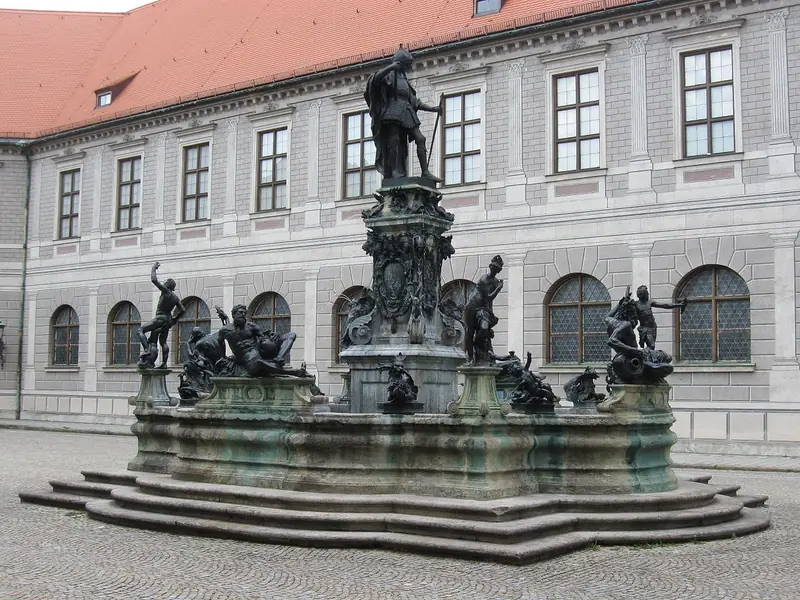
The Wittelsbacherbrunnen, located within the grand confines of the Münchner Residenz, is a notable fountain that stands as a focal point in Munich’s rich historical narrative. This captivating monument is more than just a decorative feature; it embodies the artistic and cultural aspirations of the city. The fountain can be found in a region steeped in tradition, making it a significant landmark for both locals and visitors. With its intricate design and historical context, the Wittelsbacherbrunnen invites exploration and admiration, serving as a reminder of Munich’s regal past.
Positioned at the coordinates 48.140806, 11.579146, the fountain enhances the charm of the Residenz, one of the most important historical sites in Munich. Visitors to the area are promised an enriching experience that reveals the interwoven stories of art, culture, and architecture that define this impressive city. The fountain not only attracts attention for its aesthetic appeal but also for the deeper understanding it provides of Bavaria’s history and its ruling family, the Wittelsbachs.
History and Significance
The Wittelsbacherbrunnen is intrinsically linked to the Bavarian royal family, the House of Wittelsbach, which has played a significant role in the region’s history since the Middle Ages. This fountain serves as a homage to the dynasty that has shaped much of Bavaria’s cultural and political landscape.
The fountain’s creation reflects the artistic trends of its time, showcasing the importance of water features in royal gardens and public squares throughout Europe. Such fountains were often designed not only for practical use but also as symbols of power and prestige. The Wittelsbacherbrunnen, specifically, is emblematic of the values and aesthetics embraced by the Wittelsbach family, representing a blend of functionality and beauty that appealed to the tastes of the era.
Throughout its existence, the fountain has witnessed numerous historical events, serving as a backdrop to both daily life in Munich and significant royal ceremonies. It is a reminder of the city’s evolution and the enduring legacy of its rulers. The fountain’s presence in the Münchner Residenz underscores the importance of public art in enhancing civic pride and community identity, as well as providing a gathering place for locals and tourists alike.
Architecture and Features
The Wittelsbacherbrunnen stands out for its artistic design and elaborate features. As a historic fountain, it is crafted with an attention to detail that reflects the craftsmanship of its time. The fountain’s structure includes intricately carved stone elements, demonstrating the skill of the artisans who fashioned it.
Though specific architectural details may not be documented, fountains like this often incorporate various motifs, including allegorical figures and symbolic elements that resonate with the region’s heritage. These artistic choices serve both decorative and narrative purposes, inviting viewers to engage with the stories they tell.
Typically, such monuments are designed not only to be visually appealing but also to create a serene atmosphere. The sound of flowing water and the presence of greenery often surrounding fountains enhance the overall experience, making them popular spots for contemplation and leisure within bustling urban settings.
Visiting Information
Visiting the Wittelsbacherbrunnen is a rewarding experience for anyone interested in history, art, or simply enjoying the ambiance of Munich. The fountain is located within the Münchner Residenz, which is accessible via various forms of transportation. Visitors should check the official website for current information regarding entry fees and opening hours, as these can vary.
Expect to spend at least an hour exploring the Residenz, including time spent at the Wittelsbacherbrunnen. While the fountain itself is a highlight, the surrounding areas provide additional layers of interest, including gardens and other architectural features.
The best times to visit are during weekdays when the crowds are typically thinner, allowing for a more intimate experience. Early mornings or late afternoons can also offer a quieter atmosphere, perfect for appreciating the artistry of the fountain without interruption.
Nearby Attractions
Münchner Residenz: The palace itself is a remarkable attraction, showcasing the opulence of Bavarian royalty through its numerous rooms and museums.
Theatinerkirche: A beautiful Baroque church located nearby, known for its stunning architecture and rich art history.
Alte Pinakothek: This renowned art gallery houses an impressive collection of European paintings, making it a must-visit for art enthusiasts.
Hofgarten: A tranquil garden that provides a peaceful retreat, ideal for a leisurely stroll after visiting the fountain.
Max-Joseph-Platz: The square adjacent to the Residenz, home to the National Theatre and a vibrant meeting point in the city.
Insider Tips
For photography enthusiasts, the Wittelsbacherbrunnen offers various angles for capturing its beauty. Early morning light can create a magical atmosphere, highlighting the fountain’s features without harsh shadows. Avoiding peak tourist hours will also enhance your experience, allowing you to capture images without crowds.
To enjoy the fountain at its best, consider visiting during the week, especially in the morning when the light is softer, and the surroundings are quieter.
Practical Information
When planning your visit to the Wittelsbacherbrunnen, comfortable walking shoes are advisable, as you may explore the larger Residenz complex. Seasonal considerations include checking the weather, as winter can bring colder temperatures that may affect outdoor enjoyment.
Bringing a camera is recommended, but be mindful of any restrictions on photography within the Residenz. Hydration is also essential, especially during warmer months, and you may want to carry a small bottle of water for your exploration.
Frequently Asked Questions
How long should I spend visiting?
A visit to the Wittelsbacherbrunnen and the surrounding Residenz typically takes about an hour, but you may want to allocate more time if you wish to explore the entire palace complex.
Is photography allowed?
Photography is generally permitted at the fountain; however, restrictions may apply in certain indoor areas of the Residenz.
Are there guided tours?
Guided tours of the Münchner Residenz, including the Wittelsbacherbrunnen, are available. Check the official website for details and scheduling.
What’s the best time to visit?
Weekdays tend to be quieter compared to weekends. Early mornings or late afternoons are ideal for a more peaceful experience.
Is it wheelchair accessible?
The Münchner Residenz is largely accessible, but it is advisable to check specific details regarding accessibility for the fountain area.
Can I buy tickets online?
Check the official website for information on purchasing tickets in advance, as this may save time during your visit.
Are there restrooms and cafes?
Facilities, including restrooms, are available within the Residenz. Cafes may also be present for refreshments during your visit.
What should I wear?
Comfortable clothing and shoes are recommended, as you may walk extensively while exploring the Residenz and its surroundings. Consider layering for varying weather conditions.