Overview
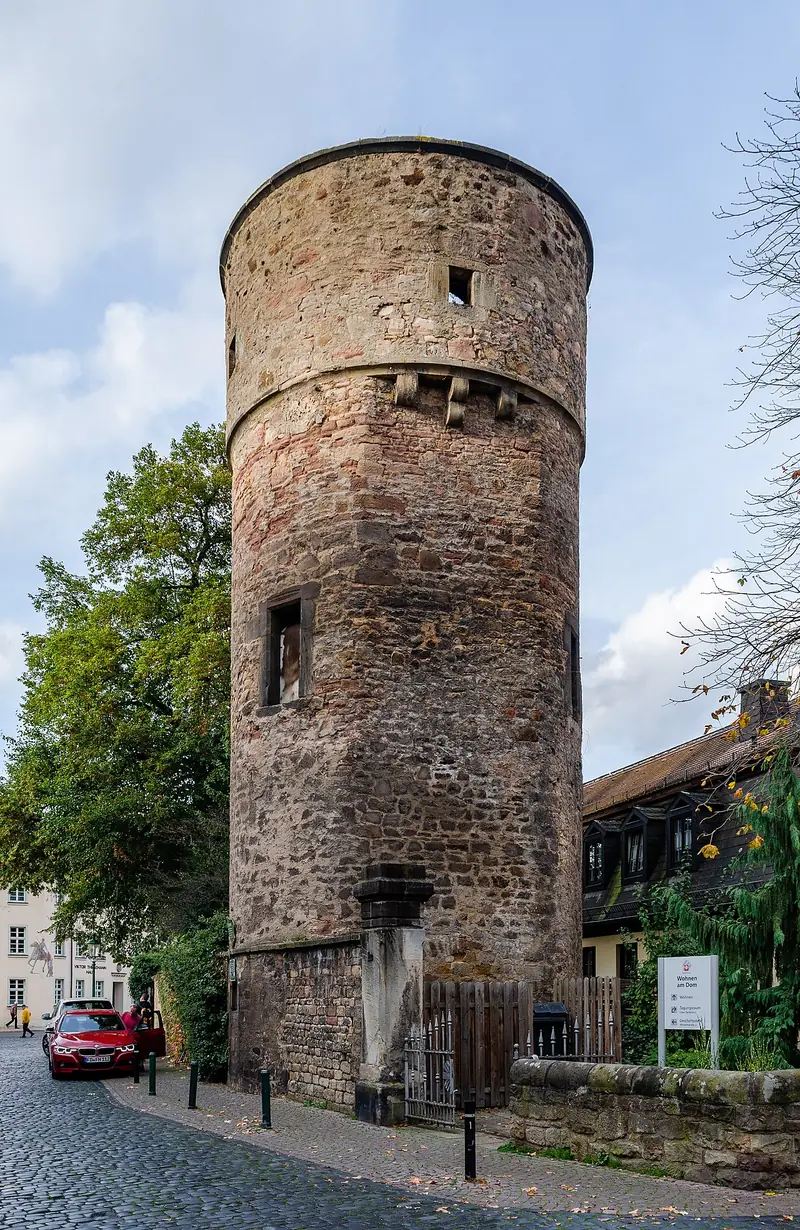
The Witches’ Tower, an evocative remnant of the former city fortification of Fulda, stands as a significant historical monument in Germany. This tower, with its intriguing name, invites visitors to explore not just its architectural features but also the storied past of the region. Located at coordinates 50.552751, 9.672901, it is set within the picturesque landscape of Fulda, a city that has long served as a hub of culture and history.
The tower’s historical context links it to the broader narrative of medieval fortifications in Germany, making it an essential point of interest for those keen on understanding the evolution of urban defense structures. The Witches’ Tower is not merely a relic of the past; it serves as a reminder of the societal beliefs and cultural practices of centuries gone by, particularly those associated with witch trials and the folklore that surrounded them. Visitors can expect to encounter not only the physical structure but also the tales that have shaped its identity over time.
As you approach the Witches’ Tower, its imposing structure invites curiosity and reflection. The tower is an emblem of resilience, standing tall against the backdrop of modernity, and it offers a unique vantage point from which one can appreciate the beauty and complexity of Fulda. Whether you are an avid historian, architecture enthusiast, or simply seeking a unique travel experience, the Witches’ Tower promises to enrich your understanding of this captivating region.
History and Significance
The origins of the Witches’ Tower can be traced back to the medieval period when it formed part of the city’s fortifications. While specific dates and events related to its construction remain unclear, the tower symbolizes the defensive strategies employed in urban centers during times of conflict. Fortifications like the Witches’ Tower were integral to safeguarding cities against invaders and served as pivotal points in the local defense system.
The tower’s name evokes the historical context of witch trials that occurred throughout Europe, particularly in the late medieval and early modern periods. Fulda, like many other towns, was not immune to the fears and superstitions that led to the persecution of those accused of witchcraft. The association of the tower with these dark chapters in history adds a layer of intrigue and invites visitors to reflect on the cultural and social dynamics of that era.
Over the centuries, the Witches’ Tower has witnessed numerous changes, not just in its physical structure but also in its role within the community. It has transitioned from a military bastion to a historical monument, symbolizing the evolution of societal values and the importance of preserving history. The tower stands as a reminder of the past while inviting contemporary interpretations of its significance.
The Witches’ Tower is not only an important architectural feature but also a point of cultural significance. It serves as a focal point for discussions about the historical treatment of women and marginalized groups, offering a space for reflection on justice, belief, and the consequences of fear-driven societal actions.
Architecture and Features
The Witches’ Tower is characterized by its robust construction typical of medieval fortifications. While specific architectural details are not provided, towers of this type generally feature thick walls designed to withstand attacks. These structures often include arrow slits for defense and vantage points for monitoring approaching threats.
The design of the Witches’ Tower likely reflects the practical needs of its time, combining functionality with the aesthetic sensibilities of the period. Visitors may notice elements such as a sturdy stone facade, which not only enhances its defensive capabilities but also contributes to its historical character. The tower’s height offers an elevated perspective of the surrounding area, allowing for strategic observation—an essential feature for any fortification.
In addition to its defensive attributes, the tower may exhibit ornamental details that hint at the craftsmanship of the era. While the specifics of these features remain unspecified, they could include decorative stonework or remnants of any original battlements that would have crowned the structure.
The Witches’ Tower is an important reminder of medieval engineering and urban planning. Its enduring presence offers a tangible connection to the past, allowing visitors to appreciate the ingenuity and resilience of those who constructed it.
Visiting Information
Planning a visit to the Witches’ Tower is an opportunity to immerse oneself in history and culture. To reach the tower, visitors can utilize various forms of transportation available in Fulda. The city is well-connected by public transport, making it accessible for those traveling from nearby cities or regions. Additionally, local amenities may provide routes for cyclists and pedestrians, encouraging exploration of the surrounding area.
Before your visit, it is advisable to check the official website for current information regarding opening hours and any associated costs. This ensures that you have the most accurate and up-to-date details regarding your experience.
Upon arrival, expect a historical setting where you can wander around the tower and engage with its surroundings. The time needed to appreciate the Witches’ Tower may vary based on individual interests, but a visit typically lasts between one to two hours. This allows ample time for exploration, photography, and reflection.
The best times to visit are often during the shoulder seasons of spring and autumn when the weather is mild, and the crowds are generally fewer. This can enhance your experience, allowing for a more personal connection with the site.
Nearby Attractions
While the Witches’ Tower is a fascinating destination in its own right, Fulda offers a variety of nearby attractions for those looking to extend their visit. Here are a few noteworthy sites:
Fulda Cathedral: A stunning example of Baroque architecture, the cathedral is a must-see for its artistic details and historical significance.
St. Michael’s Church: Known for its impressive architecture and beautiful interior, this church adds to the spiritual and historical fabric of Fulda.
Fulda Palace: This grand palace offers insight into the baroque lifestyle and serves as a focal point for cultural events in the city.
Historical Old Town: Wandering through the cobbled streets of Fulda’s Old Town provides a glimpse into the city’s past, with charming buildings and quaint shops.
Botanical Garden: For those seeking tranquility, the botanical garden offers a peaceful retreat with diverse plant species and beautiful landscapes.
Insider Tips
To make the most of your visit to the Witches’ Tower, consider the following insider tips:
- Photography Tips: Bring a camera or smartphone to capture the tower’s architectural features. Early morning or late afternoon light can enhance your photos, providing a softer glow on the stone facade.
- Crowd Avoidance: Visiting during weekdays or off-peak hours can help you avoid larger tourist crowds, allowing for a more intimate experience with the site.
Practical Information
When planning your visit to the Witches’ Tower, consider the following practical information:
- What to Bring: Comfortable walking shoes are recommended, as exploring the area may involve some walking. A water bottle and a small snack can also be helpful, especially if you plan to spend time in the nearby attractions.
- Seasonal Considerations: Be mindful of the weather when planning your visit. Spring and autumn typically offer pleasant conditions, while summer can be warm. In winter, check for any seasonal events or closures that might affect your visit.
Frequently Asked Questions
How long should I spend visiting?
A visit typically lasts between one to two hours, allowing time for exploration and photography.
Is photography allowed?
Yes, photography is generally permitted, but check for any specific restrictions upon arrival.
Are there guided tours?
Information regarding guided tours can vary. Check the official website for updates and offerings.
What’s the best time to visit?
The best times to visit are during the shoulder seasons of spring and autumn when the weather is pleasant and crowds are smaller.
Is it wheelchair accessible?
Accessibility information is not specified. It is advisable to check the official website or contact local services for detailed accessibility options.
Can I buy tickets online?
Check the official website for current information regarding ticket purchasing options.
Are there restrooms and cafes?
Information about facilities such as restrooms and nearby cafes may not be specified. It is recommended to explore the area surrounding the tower for local amenities.
What should I wear?
Dress comfortably for walking, and consider layering clothing to adapt to changing weather conditions during your visit.



