
Wilhelm Wagenfeld House
Overview
The Wilhelm Wagenfeld House, located in the heart of Germany’s Mitte district, serves as a unique museum dedicated to the life and work of the influential designer Wilhelm Wagenfeld. This foundation stands out not only for its dedication to modern design but also for its role in preserving the legacy of one of the key figures in the field of industrial design. The museum is housed in a building that reflects Wagenfeld’s design philosophy, making it an integral part of the visitor experience. A visit here offers insights into the evolution of design in the 20th century and Wagenfeld’s contributions to it, providing a comprehensive view of how functional art can enhance everyday life.
Set against the backdrop of a vibrant urban landscape, the Wilhelm Wagenfeld House invites design enthusiasts and casual visitors alike to explore the intersections of art, functionality, and culture. With a variety of exhibitions and programs, the foundation engages visitors in a dialogue about design principles that continue to influence contemporary practices. Whether you are a seasoned design aficionado or simply curious about the world of industrial design, this museum promises a fascinating exploration of creativity and innovation.
History and Significance
Wilhelm Wagenfeld (1900-1990) was not only a designer but a pioneer whose work helped shape the philosophy of modern design. He was instrumental in developing designs that prioritized functionality without sacrificing aesthetics. The foundation dedicated to his legacy was established to honor his contributions and educate the public about his work and the broader field of industrial design.
The significance of Wagenfeld’s work lies in his ability to marry form and function in ways that were groundbreaking for his time. He believed that good design should be accessible to everyone, a principle that guided his projects and collaborations. His iconic pieces, such as the Wagenfeld lamp, reflect a harmonious balance between utility and beauty, making them sought after by collectors and design enthusiasts alike.
The Wilhelm Wagenfeld House plays a crucial role in promoting design education and appreciation. It serves as a venue for exhibitions, workshops, and other programs that engage visitors in the conversation about the role of design in daily life. By showcasing Wagenfeld’s work and the principles he championed, the foundation fosters a greater understanding of the importance of thoughtful design in shaping our environments.
Architecture and Features
The architecture of the Wilhelm Wagenfeld House is a reflection of the modernist design principles that Wagenfeld espoused throughout his career. While specific architectural details are not provided, the building itself is designed to serve as a functional space that embodies the essence of modern design. The layout and interior spaces facilitate a fluid movement through the exhibits, encouraging visitors to engage with the displays at their own pace.
Inside, the museum features a carefully curated collection of Wagenfeld’s works, alongside various design artifacts that highlight the evolution of industrial design. The exhibitions are organized thematically, allowing visitors to appreciate the context in which Wagenfeld operated and the impact of his work on the design world.
Notable features of the museum include interactive displays that invite visitors to explore design concepts hands-on. These elements are particularly engaging for those who may not have a background in design, making the museum accessible to a wide audience. The thoughtful curation of both permanent and temporary exhibitions ensures that each visit can offer something new, appealing to both returning guests and first-time visitors.
Visiting Information
When planning your visit to the Wilhelm Wagenfeld House, it’s essential to check the official website for current information regarding hours and admission prices as they may vary throughout the year. The museum is conveniently located in the Mitte district, making it accessible via various modes of public transportation. Visitors can reach the site easily by using the city’s efficient tram and bus networks.
The museum is designed to accommodate visitors of all ages and backgrounds. Expect to spend around 1 to 2 hours exploring the exhibits, which include both permanent collections and rotating exhibitions. For those particularly interested in design, allocating additional time to engage with the interactive displays and take part in workshops or events may enhance the experience.
The best times to visit are during the weekdays when the crowds are typically smaller, allowing for a more intimate exploration of the exhibits. However, weekends may offer special events or guided tours that could enrich your visit.
Nearby Attractions
While the Wilhelm Wagenfeld House is a destination in its own right, its location in Mitte means several notable attractions are within walking distance:
Berlin Cathedral (Berliner Dom) – A stunning architectural landmark located nearby, the Berlin Cathedral is a symbol of the city and offers breathtaking views from its dome.
Museum Island (Museumsinsel) – A UNESCO World Heritage site, Museum Island is home to several world-renowned museums, including the Pergamon Museum and the Alte Nationalgalerie.
Brandenburg Gate (Brandenburger Tor) – This iconic neoclassical monument is a must-see, representing the reunification of Germany and serving as a historical symbol.
Alexanderplatz – A bustling square known for its shops, restaurants, and the famous TV Tower (Fernsehturm), providing a vibrant atmosphere for visitors.
Potsdamer Platz – A modern urban area that showcases contemporary architecture and offers shopping, dining, and entertainment options.
Insider Tips
To get the most out of your visit to the Wilhelm Wagenfeld House, consider these insider tips:
Photography: Be sure to check the museum’s photography policy upon entry, as certain exhibits may have restrictions. Capturing the essence of the design elements can enhance your experience.
Crowd Avoidance: For a quieter visit, consider arriving right at opening time or during the late afternoon on weekdays. This will allow you to enjoy the exhibits with fewer distractions.
Participate in Workshops: If available, join any workshops or special programs that the museum offers. These can provide deeper insights into design principles and foster a more interactive experience.
Practical Information
When visiting the Wilhelm Wagenfeld House, consider bringing a few essentials:
Comfortable Walking Shoes: The museum’s layout encourages exploration, so comfortable footwear will enhance your experience.
Notebook or Sketchbook: If you are inspired by the designs, jotting down thoughts or sketches can help you remember your visit.
Portable Charger: If you plan to take photos or use your phone for information, a portable charger can be handy to ensure your devices remain powered throughout your visit.
Seasonal considerations may affect your visit; check the official website for any special exhibitions or events that coincide with your travel dates. This will help maximize your experience at the museum.
Frequently Asked Questions
How long should I spend visiting?
Generally, visitors spend about 1 to 2 hours at the Wilhelm Wagenfeld House, although design enthusiasts may wish to stay longer to fully appreciate the exhibits.
Is photography allowed?
Photography policies may vary by exhibit. It’s recommended to check the museum’s guidelines upon arrival.
Are there guided tours?
The Wilhelm Wagenfeld House may offer guided tours on specific occasions. Check the official website for availability and schedules.
What’s the best time to visit?
Weekdays, especially in the late morning or early afternoon, are ideal for avoiding crowds. However, weekends may feature special events worth attending.
Is it wheelchair accessible?
The museum aims to be inclusive; check the official website for detailed accessibility information.
Can I buy tickets online?
Online ticket purchasing options may be available; check the official website for current information.
Are there restrooms and cafes?
Facilities such as restrooms are generally available within the museum. For cafes or dining options, you may want to explore nearby areas after your visit.
What should I wear?
Comfortable, casual clothing is recommended, especially if you plan to spend time walking around the exhibitions.
More in Bremen

Achterdiekpark
📍 Bremen, Germany
Achterdiekpark, located in the peaceful district of Oberneuland, Germany, is a sanctuary for nature lovers and a welcome retreat from urban life. This …

Ahlen-Falkenberger Moor, Halemer/Dahlemer See
📍 Bremen, Germany
Ahlen-Falkenberger Moor, located in the Steinau region of Lower Saxony, Germany, is a remarkable nature reserve that showcases the region’s unique …

Ahlershorst
📍 Bremen, Germany
Ahlershorst is a captivating nature reserve located in Lower Saxony, Germany, specifically within the Geestland region. This expansive area serves as …

Alfred Wegener Institute for Polar and Marine Research
📍 Bremen, Germany
The Alfred Wegener Institute for Polar and Marine Research, located in Bremerhaven, Germany, stands as a cornerstone of scientific inquiry into the …

Alt-Leher Schule
📍 Bremen, Germany
In the heart of Bremerhaven, Germany, lies the Alt-Leher Schule, an architectural ensemble that encapsulates the history of educational architecture …

Am Stadtwaldsee (Uni-Wildnis)
📍 Bremen, Germany
Am Stadtwaldsee, known locally as Uni-Wildnis, is a captivating nature reserve located in Bremen, Germany. This serene expanse of land serves as a …
More Foundations

Academy of the Konrad-Adenauer-Stiftung
📍 Berlin, Germany
The Academy of the Konrad-Adenauer-Stiftung, located in the heart of Berlin, is not just a foundation but a hub of intellectual discourse and …

Akademie Schloss Solitude
📍 Baden-Württemberg, Germany
Akademie Schloss Solitude is a distinguished foundation located in Stuttgart, Germany, that serves as a cultural and artistic haven for individuals …
Alerds-Stiftung
📍 Lower Saxony, Germany
Alerds-Stiftung, located in the historic city of Brunswick, Germany, represents a significant cultural and philanthropic institution dedicated to …
Alfred Wegener Institute for Polar and Marine Research
📍 Bremen, Germany
The Alfred Wegener Institute for Polar and Marine Research, located in Bremerhaven, Germany, stands as a cornerstone of scientific inquiry into the …

Bavarian Elite-Academy
📍 Bavaria, Germany
The Bavarian Elite-Academy, located in the vibrant city of Munich, Germany, is a foundation dedicated to fostering excellence in various fields of …
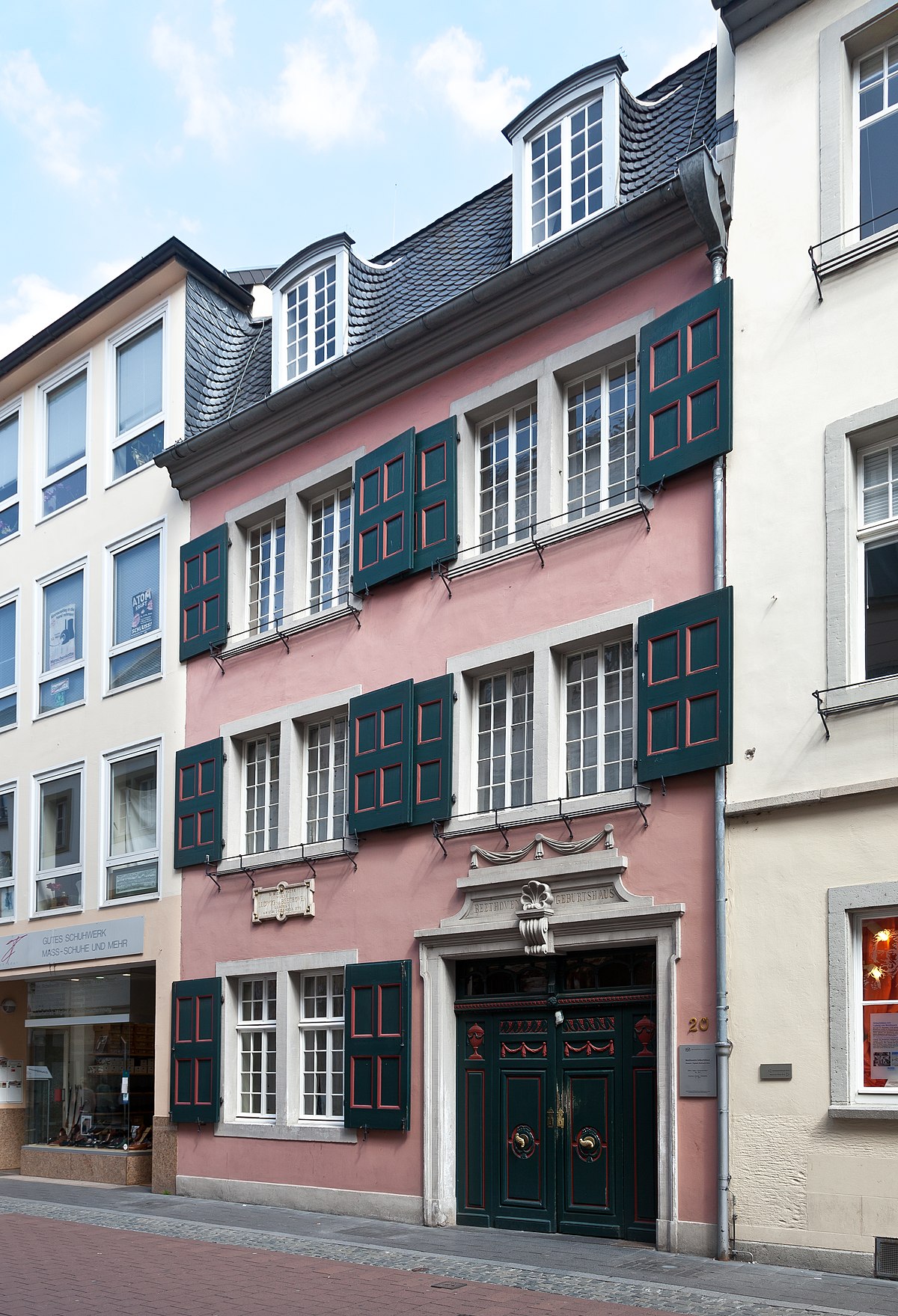
Beethoven House
📍 North Rhine-Westphalia, Germany
Beethoven House is a celebrated museum and the birthplace of Ludwig van Beethoven, one of the most influential composers in Western music history. …