
Wilhelm-Morgner-Haus
Overview
In the heart of Soest, Germany, the Wilhelm-Morgner-Haus serves as a vibrant art museum that reflects the cultural pulse of the region. This museum is dedicated to the works of Wilhelm Morgner, a prominent artist whose contributions to modern art resonate through his innovative use of color and form. The museum not only showcases his creations but also fosters a deeper understanding of the artistic movements that shaped his career. As visitors step into the Wilhelm-Morgner-Haus, they are invited to explore the intricate relationship between art and society, making it a significant destination for art enthusiasts and cultural explorers alike.
The museum’s strategic location in Soest, a town known for its medieval architecture and charming streets, enhances its appeal as a cultural landmark. While the museum primarily focuses on Morgner’s work, it also serves as a platform for contemporary artists, bridging the gap between historical and modern artistic expressions. Whether you are an art aficionado or a casual visitor, the experience promises to be both enriching and inspiring.
History and Significance
The Wilhelm-Morgner-Haus is named after Wilhelm Morgner, an influential figure in the German Expressionist movement. His work was marked by a distinct style characterized by bold colors and emotive forms, which challenged traditional artistic conventions of his time. The museum’s establishment underscores the importance of preserving and celebrating local art history, as Morgner was born in Soest and spent much of his early life there.
The museum serves a dual purpose: it not only honors Morgner’s legacy but also aims to educate visitors about the broader context of his work and the artistic trends that influenced him. This commitment to cultural education is reflected in the museum’s exhibitions, which often include a variety of programs, workshops, and lectures designed to engage the community and promote artistic dialogue.
Moreover, the museum plays a vital role in the local cultural scene, hosting temporary exhibitions that feature contemporary artists and movements. This dynamic approach ensures that the Wilhelm-Morgner-Haus remains relevant and continues to draw interest from both locals and tourists, fostering a deeper appreciation for the arts in Soest and beyond.
Architecture and Features
The architectural design of the Wilhelm-Morgner-Haus complements its artistic mission. The building itself is an embodiment of modernist principles, featuring clean lines and open spaces that allow for an immersive experience of the art on display. The interior is thoughtfully arranged to encourage exploration and interaction with the exhibits, making it an inviting space for visitors of all ages.
Notable features include spacious galleries that provide ample room for Morgner’s works, which often play with scale and perspective. The museum’s layout is designed to facilitate a natural flow from one exhibit to another, allowing visitors to engage with the art in a meaningful way. Additionally, the strategic use of natural light enhances the viewing experience, illuminating the vibrant colors and intricate details of the artworks.
The museum also often incorporates multimedia elements into its displays, providing context and deeper insights into Morgner’s techniques and themes. This blend of traditional and contemporary presentation methods enriches the visitor experience, making the Wilhelm-Morgner-Haus a significant site for both art appreciation and education.
Visiting Information
Reaching the Wilhelm-Morgner-Haus is convenient, with various transportation options available for visitors. Situated in the center of Soest, the museum is accessible via public transport and is within walking distance from other key attractions in the area. For those driving, parking facilities are typically available nearby, but it is advisable to check local regulations and availability.
When planning your visit, check the official website for current information regarding hours and admission prices. The museum often hosts special events and exhibitions, so staying informed can enhance your experience. On average, visitors spend about 1.5 to 2 hours exploring the museum, allowing ample time to appreciate the artworks and participate in any ongoing programs.
The best times to visit are during weekdays, when the museum is less crowded, providing a more intimate experience with the art. However, weekends can also offer unique events and community interactions, making them worthwhile for those interested in a more dynamic atmosphere.
Nearby Attractions
While visiting the Wilhelm-Morgner-Haus, consider exploring these nearby attractions for a well-rounded cultural experience:
St. Patrokli Cathedral: A stunning example of Romanesque architecture, this cathedral is known for its impressive tower and beautiful stained glass windows.
Soest Town Museum: This museum highlights the history and culture of Soest, providing insights into the town’s past through various exhibitions.
The Old Market Square (Alter Markt): A picturesque square surrounded by historic buildings, cafes, and shops, perfect for a leisurely stroll.
Wasserschloss Haus Graven: A charming water castle located a short distance from the town center, offering scenic views and picturesque surroundings.
The City Walls: Explore the remnants of Soest’s medieval fortifications, which provide a fascinating glimpse into the town’s historical defenses.
Insider Tips
To make the most of your visit to the Wilhelm-Morgner-Haus, consider these insider tips:
Photography: Check the museum’s policy on photography before your visit. While capturing memories is often encouraged, some exhibitions may have restrictions.
Timing Your Visit: To avoid crowds, aim to visit during the late morning or early afternoon on weekdays. This will allow you to enjoy the exhibits with greater ease.
Engage with Staff: The museum staff is typically knowledgeable and passionate about the exhibits. Don’t hesitate to ask questions or seek recommendations on what to see.
Practical Information
When planning your visit to the Wilhelm-Morgner-Haus, keep these practical considerations in mind:
What to Bring: Comfortable walking shoes are recommended, as visitors may spend considerable time exploring the museum and surrounding areas. A small notebook or a digital device for notes may also enhance your experience.
Seasonal Considerations: Check the local weather forecast before your visit, as conditions can vary. Be mindful of seasonal events or closures that may affect your plans.
Dining Options: While the museum may not have an on-site café, numerous eateries are available within walking distance, offering local cuisine and refreshments.
Frequently Asked Questions
How long should I spend visiting?
Most visitors find that spending 1.5 to 2 hours at the museum allows sufficient time to explore the exhibits and engage with any ongoing programs.
Is photography allowed?
Photography policies can vary by exhibition. It is advisable to check with museum staff for specific guidelines during your visit.
Are there guided tours?
The museum may offer guided tours or educational programs. Check the official website for details on availability and scheduling.
What’s the best time to visit?
Visiting on weekdays, particularly in the late morning or early afternoon, can provide a quieter experience. However, weekends may feature special events that could enhance your visit.
Is it wheelchair accessible?
The museum aims to be accessible to all visitors. For detailed information regarding accessibility features, consult the official website or contact the museum directly.
Can I buy tickets online?
Check the official website for information on ticket purchasing options, including online sales and any available discounts.
Are there restrooms and cafes?
Restroom facilities are typically available within the museum. While there may not be a café on-site, various dining options can be found nearby.
What should I wear?
Dress comfortably, as you may spend considerable time walking and standing. Consider layering, as indoor temperatures can vary.
In conclusion, the Wilhelm-Morgner-Haus stands as a significant cultural site in Soest, offering insights into both historical and contemporary art. A visit to this museum promises to deepen your understanding of the artistic heritage of the region while providing a platform for appreciation and inspiration.
More in Hesse

Abri IX
📍 Hesse, Germany
Abri IX is an archaeological site located in Gleichen, Germany, that captures the essence of human history through its fascinating remnants. This site …

Ackerbürgermuseum Haus Leck
📍 Hesse, Germany
Ackerbürgermuseum Haus Leck is a culturally significant museum located in Germany’s Grebenstein region, dedicated to preserving and showcasing the …

Actien-Brauerei Homburg v. d. Höhe
📍 Hesse, Germany
Actien-Brauerei Homburg v. d. Höhe is a significant historical brewery located in Bad Homburg vor der Höhe, Germany. This former brewery is a …

Active Museum Spiegelgasse
📍 Hesse, Germany
Active Museum Spiegelgasse is a vital institution dedicated to preserving and exploring the German-Jewish history of Wiesbaden, Germany. Located in …

Adornodenkmal
📍 Hesse, Germany
Adornodenkmal, a prominent monument located in Frankfurt am Main, Germany, serves as a significant cultural landmark that encapsulates the spirit of …
Affentor
📍 Hesse, Germany
Affentor, the southernmost of the medieval city gates of Frankfurt am Main, serves as a historical marker of the city’s rich past and architectural …
More Art Museums

Aachen Cathedral Treasury
📍 North Rhine-Westphalia, Germany
Aachen Cathedral Treasury, located in the historic city of Aachen, Germany, is a remarkable art museum that houses an impressive collection of …

Abteiberg Museum
📍 North Rhine-Westphalia, Germany
In the heart of Mönchengladbach, Germany, the Abteiberg Museum stands out as a prominent destination for art enthusiasts and cultural explorers alike. …

Akademisches Kunstmuseum
📍 North Rhine-Westphalia, Germany
In the heart of Bonn, Germany, lies the Akademisches Kunstmuseum, an art museum that invites visitors to explore a diverse collection of artworks …

Albertinum
📍 Saxony, Germany
Albertinum is a prominent art museum located in the heart of Dresden, Germany, serving as a significant cultural institution in the region. …

Albrecht Dürer's House
📍 Bavaria, Germany
Albrecht Dürer’s House stands as a significant cultural landmark in Nuremberg, Germany, celebrating the life and work of one of the Renaissance’s most …
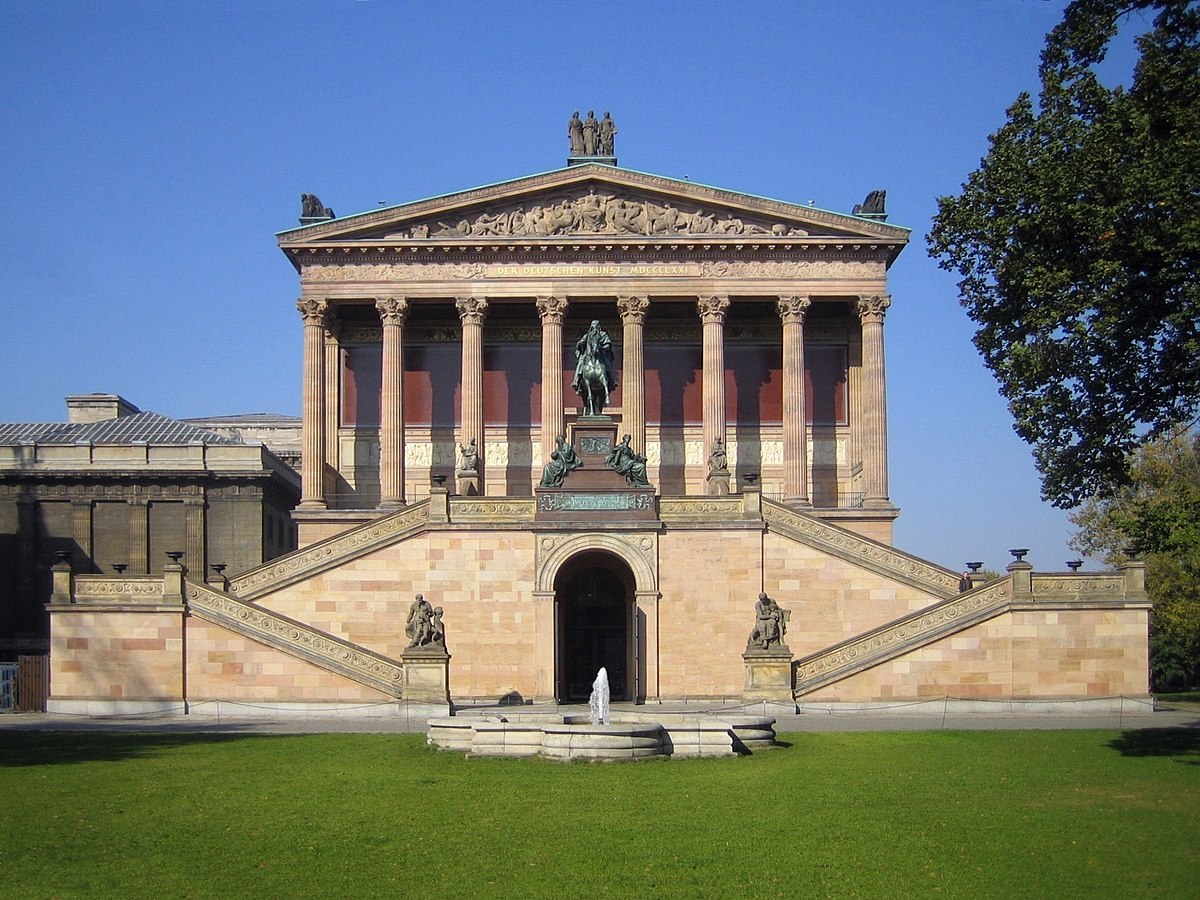
Alte Nationalgalerie
📍 Berlin, Germany
The Alte Nationalgalerie, an esteemed art museum located in Berlin’s Bezirk Mitte, is a cornerstone of cultural appreciation in Germany. This museum …