
Wilhelm-Friedemann-Bach-Haus
Overview
The Wilhelm-Friedemann-Bach-Haus is a significant cultural institution located in Halle (Saale), Germany, dedicated to the life and work of Wilhelm Friedemann Bach, the eldest son of the renowned composer Johann Sebastian Bach. This museum provides an engaging exploration of both the historical context of Bach’s music and the influence he had on the development of classical music. Visitors can immerse themselves in the rich heritage of classical music, gaining insights into the life of this lesser-known but influential composer. With its well-curated exhibits and thoughtful displays, the museum serves as an essential destination for music enthusiasts and anyone interested in the artistic legacy of the Bach family.
Situated in Halle, a city with deep musical roots, the museum is not only a celebration of Wilhelm Friedemann Bach’s contributions to the Baroque period but also a reflection of the broader cultural environment of 18th-century Germany. The museum’s location in Halle is significant, given its historical ties to the Bach family and its vibrant arts scene. Visitors to the Wilhelm-Friedemann-Bach-Haus can expect a unique blend of historical artifacts, musical instruments, and educational resources that illuminate the life of a man often overshadowed by his father’s genius. This museum promises an enriching experience, whether you are a seasoned classical music aficionado or a curious traveler seeking to learn more about the world of early music.
History and Significance
Wilhelm Friedemann Bach, born in 1710, was the firstborn son of Johann Sebastian Bach and Maria Barbara Bach. His early education in music came directly from his father, who recognized his son’s talents and provided him with a rigorous musical foundation. Wilhelm’s career as a composer and musician was marked by a series of appointments in various cities, including Dresden and Berlin, where he served as an organist and composer. Despite his father’s fame, Wilhelm struggled to establish a reputation of his own, often overshadowed by the accomplishments of Johann Sebastian and his siblings.
The museum dedicated to him is particularly significant as it highlights the unique style and contributions of Wilhelm Friedemann Bach to the Baroque musical landscape. While his compositions were influenced by his father’s work, Wilhelm developed a distinct voice characterized by intricate counterpoint and emotional depth. His music, although less well-known today, offers a fascinating glimpse into the evolution of classical music and the Baroque style.
The museum itself is housed in a location that connects deeply to the Bach family legacy, adding to its cultural importance. It serves not only as a repository of artifacts related to Wilhelm’s life and work but also as a center for education and appreciation of early music. Events, concerts, and lectures held at the museum further enrich the cultural dialogue surrounding Wilhelm Friedemann Bach, making it an important venue for both locals and tourists interested in classical music.
Architecture and Features
The Wilhelm-Friedemann-Bach-Haus is designed to reflect the historical significance of the period it represents. The architecture of the building is emblematic of the 18th century, with intricate details that pay homage to the Baroque style. Visitors will find themselves drawn into a space that feels both timeless and evocative of the musical heritage it seeks to preserve.
Inside, the museum features a range of exhibits that include historical instruments, original manuscripts, and personal artifacts belonging to Wilhelm Friedemann Bach. These displays are thoughtfully arranged to provide context for his life and music. The museum design allows for an engaging visitor experience, with clear pathways that guide guests through the various sections.
Notable features include interactive displays that encourage visitors to engage with the music of Wilhelm Friedemann Bach. Audio installations allow guests to listen to his compositions, providing a deeper understanding of his style and the emotional resonance of his work. The museum also hosts temporary exhibitions that often explore themes related to the Bach family or the broader context of classical music in Germany.
Visiting Information
Reaching the Wilhelm-Friedemann-Bach-Haus is convenient, given its location in Halle (Saale). The city is accessible via various modes of transport, including trains and buses, making it an easy addition to your travel itinerary. Once in Halle, the museum is situated in a prominent area that is walkable from other key attractions.
Visitors should check the official website for current information regarding hours of operation and ticket prices, as these can vary throughout the year. It is advisable to allocate around one to two hours for a thorough exploration of the museum, allowing time to engage with the exhibits and perhaps participate in any scheduled events or performances.
The best times to visit are generally during the weekdays when the museum is less crowded, offering a more intimate experience with the exhibits. Special events and concerts may draw larger crowds, so checking the schedule in advance can enhance your visit.
Nearby Attractions
The Wilhelm-Friedemann-Bach-Haus is situated close to several other cultural and historical sites in Halle (Saale):
Marktkirche: This impressive market church is a notable landmark in Halle and offers stunning architecture and a rich history, making it a worthwhile stop after visiting the museum.
Halle’s Old Town: A stroll through the charming old town provides a glimpse of Halle’s historical architecture and vibrant atmosphere, with plenty of cafes and shops to explore.
Francke Foundations: A UNESCO World Heritage site, these foundations are a complex of buildings that reflect the educational and cultural advancements of the 18th century, making them an excellent complement to a visit to the museum.
Halle State Museum of Prehistory: For those interested in archaeology and history, this museum showcases artifacts from the prehistoric era, providing a broader context of the region’s past.
Georg-Friedrich-Händel-Haus: Dedicated to another of Germany’s musical greats, this museum celebrates the life and work of composer Georg Friedrich Händel, highlighting the city’s rich musical heritage.
Insider Tips
To enhance your visit to the Wilhelm-Friedemann-Bach-Haus, consider the following tips:
Photography: While photography is often permitted in museums, always check for signs or ask museum staff to ensure you respect any restrictions. Capturing moments in the museum can provide lasting memories of your visit.
Crowd Avoidance: To enjoy a quieter experience, aim to visit during the weekday mornings. This not only allows for a more personal exploration of the exhibits but also increases your chances of having interactive displays and audio installations to yourself.
Practical Information
When planning your visit to the Wilhelm-Friedemann-Bach-Haus, it’s helpful to consider the following practical advice:
What to Bring: There is no need for specialized equipment, but bringing a notepad or a digital device for taking notes can be beneficial if you wish to remember specific details about the exhibits. Comfortable shoes are recommended, as you may spend a significant amount of time on your feet.
Seasonal Considerations: Depending on the time of year, weather conditions may affect your travel plans. The museum is open year-round, but be prepared for colder temperatures if visiting in winter, and check for any seasonal events that may enhance your experience.
Frequently Asked Questions
How long should I spend visiting?
A visit typically takes one to two hours, allowing sufficient time to explore the exhibits and engage with interactive displays.
Is photography allowed?
Photography policies can vary, so check for signs or consult museum staff to ensure compliance with any restrictions.
Are there guided tours?
Guided tours may be available, providing deeper insights into the exhibits and the life of Wilhelm Friedemann Bach. Check the official website for details.
What’s the best time to visit?
Weekday mornings are generally the best times to avoid crowds and fully appreciate the exhibits without distractions.
Is it wheelchair accessible?
Access information is best confirmed by visiting the official website, ensuring that all visitors can navigate the space comfortably.
Can I buy tickets online?
Check the official website for ticket purchasing options, as online sales may offer convenience and potential discounts.
Are there restrooms and cafes?
Facilities such as restrooms are typically available. Check the official website for information on any onsite cafes or nearby dining options.
What should I wear?
Dress comfortably, especially if you plan to spend a considerable amount of time walking around the museum and exploring the surrounding area.
More in Brandenburg
Agnetenkloster
📍 Brandenburg, Germany
Agnetenkloster, a former monastery located in the heart of Magdeburg, Germany, invites visitors to explore its serene ambiance and historical …

Agroneum
📍 Brandenburg, Germany
Agroneum is a museum located in the serene landscape of Alt Schwerin, Germany. This establishment serves as a vibrant hub for those interested in the …

Alexander Nevsky Memorial Church
📍 Brandenburg, Germany
The Alexander Nevsky Memorial Church in Potsdam, Germany, offers visitors a unique glimpse into the city’s cultural and religious heritage. This …
Alexandrowka
📍 Brandenburg, Germany
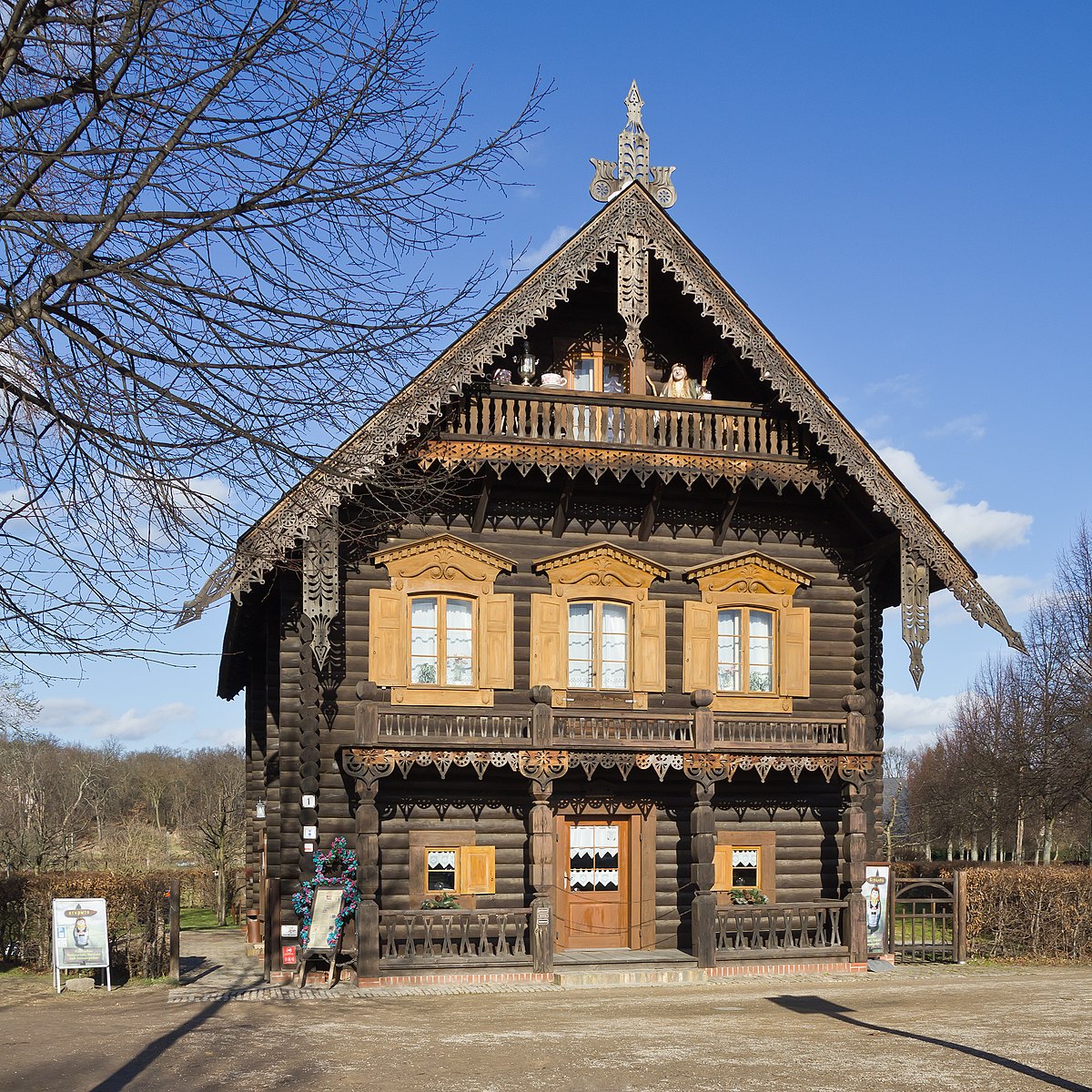
Located in the picturesque city of Potsdam, Germany, Alexandrowka is an intriguing architectural ensemble that reflects a unique blend of Russian and …

Alte Burg Penzlin
📍 Brandenburg, Germany
Alte Burg Penzlin, a captivating castle located in the quaint town of Penzlin, Germany, serves as a remarkable example of medieval architecture and …

Alte Dorfkirche Röxe
📍 Brandenburg, Germany
The Alte Dorfkirche Röxe stands as a poignant symbol of architectural and cultural history in the Stendal region of Germany. This church building, …
More Museums

Abbey and Altenmünster of Lorsch
📍 Baden-Württemberg, Germany
The Abbey and Altenmünster of Lorsch is a UNESCO World Heritage site located in the charming town of Lorsch, Germany. This significant cultural …
Abenteuermuseum
📍 Rhineland-Palatinate, Germany
The Abenteuermuseum, located in Germany, invites visitors to explore the wonders of adventure through its unique exhibits and engaging experiences. …

Abwasser- und Sielmuseum
📍 Hamburg, Germany
The Abwasser- und Sielmuseum, located in the heart of Hamburg-Mitte, offers a unique glimpse into the city’s historical infrastructure concerning …

Academy of Arts, Berlin
📍 Berlin, Germany
The Academy of Arts in Berlin is not just a museum; it is a prominent national institution dedicated to the advancement of the arts in Germany. …

Ackerbürgermuseum Haus Leck
📍 Hesse, Germany
Ackerbürgermuseum Haus Leck is a culturally significant museum located in Germany’s Grebenstein region, dedicated to preserving and showcasing the …

Active Museum Spiegelgasse
📍 Hesse, Germany
Active Museum Spiegelgasse is a vital institution dedicated to preserving and exploring the German-Jewish history of Wiesbaden, Germany. Located in …