
Wilhelm Busch Museum
Overview
The Wilhelm Busch Museum, situated in Hannover, Germany, serves as a compelling destination for art enthusiasts and cultural explorers alike. This art museum is dedicated to the life and works of Wilhelm Busch, a pivotal figure in German literature and the father of the comic strip. His satirical narratives and illustrations have left an indelible mark on both the art and literary landscapes of Germany. The museum not only celebrates Busch’s contributions but also showcases a rich collection of works that highlight the evolution of caricature and comic art.
Visitors can expect a thoughtfully curated experience that reflects the intersection of art and humor, allowing for both educational and inspirational moments. The museum stands as a hub for creativity, frequently hosting exhibitions, workshops, and events that engage the community and showcase contemporary interpretations of Busch’s legacy. In a city known for its vibrant art scene, the Wilhelm Busch Museum plays a significant role, inviting visitors to explore the lighter, yet profound, aspects of human expression.
History and Significance
The Wilhelm Busch Museum opened its doors to the public as an institution dedicated to the works of Wilhelm Busch, whose influence extends beyond mere drawings and poems. Born in 1832, Busch is most renowned for his illustrated tales that conveyed moral lessons through humor and satire. His works set the stage for the modern comic strip, merging visual art with narrative storytelling in an innovative way.
The establishment of the museum was not merely to commemorate Busch but to explore the broader genre of caricature and comic art. This genre has historically served as a mirror to society, reflecting social norms, political issues, and human behavior through humor and wit. The museum’s collection emphasizes this cultural significance, featuring original sketches, prints, and other artworks from various artists influenced by Busch’s pioneering style.
The museum also organizes temporary exhibitions that delve into specific themes or highlight contemporary artists whose work resonates with Busch’s legacy. By doing so, it fosters a dialogue between past and present, encouraging new interpretations of comic art and its relevance in today’s society. In addition to its exhibitions, the museum plays an active role in the cultural life of Hannover, offering educational programs that cater to diverse audiences, from school groups to art aficionados.
Architecture and Features
The architecture of the Wilhelm Busch Museum complements its artistic mission. The museum is housed in a building that reflects a blend of modern design with functional exhibition spaces, making it an inviting place for visitors. The layout is thoughtfully organized, allowing for a seamless flow from one exhibition to the next, while ensuring that each piece on display is given the attention it deserves.
Inside, the exhibition halls feature high ceilings and well-lit spaces, ideal for showcasing art. The design integrates contemporary elements with a nod to traditional museum aesthetics, providing a welcoming atmosphere for art appreciation. In addition to the permanent collection of Wilhelm Busch’s works, the museum often incorporates innovative display techniques to enhance the viewing experience, making artworks more engaging and accessible.
The museum also includes educational facilities, a café, and a shop where visitors can purchase art-related books, prints, and souvenirs. These additional features enrich the overall experience, allowing guests to linger longer and immerse themselves in the artistic environment.
Visiting Information
Reaching the Wilhelm Busch Museum is convenient, given its location in Hannover. The city is well-connected through public transportation, including buses and trains that service the area. For those driving, parking options are available nearby, but it is advisable to check for any restrictions or requirements.
For the most accurate information regarding visiting hours and ticket prices, check the official website, as these can vary throughout the year. Visitors typically spend around two to three hours exploring the museum, allowing enough time to appreciate both the permanent collection and any temporary exhibitions.
The best times to visit are during weekdays when crowds are generally smaller, providing a more intimate experience with the artworks. Weekends may attract larger groups, especially during special exhibitions or events.
Nearby Attractions
While in Hannover, visitors can explore several other attractions that complement a trip to the Wilhelm Busch Museum:
- Hannover Zoo: A well-known attraction for families and animal lovers, featuring a variety of animal exhibits and themed areas.
- Herrenhausen Gardens: A stunning set of gardens known for their baroque architecture and beautifully landscaped grounds, perfect for a leisurely stroll.
- Lower Saxony State Museum: Just a short distance away, this museum offers a diverse collection of art, natural history, and cultural artifacts.
- Marktkirche: This iconic church in the city center stands out with its unique architecture and historical significance.
- Kestnergesellschaft: A contemporary art gallery that frequently hosts innovative exhibitions, appealing to modern art enthusiasts.
Insider Tips
To enhance your visit to the Wilhelm Busch Museum, consider the following insider tips:
- Photography: While photography may be allowed in certain areas, always check for signs indicating restrictions. If permitted, be mindful of other visitors and the artworks.
- Crowd Avoidance: Plan your visit during off-peak hours, such as early in the day or mid-afternoon on weekdays, to enjoy a less crowded experience.
- Guided Tours: If available, consider joining a guided tour to gain deeper insights into the artworks and the story of Wilhelm Busch.
Practical Information
When planning your visit to the Wilhelm Busch Museum, keep the following practical information in mind:
- What to Bring: Comfortable walking shoes are essential, as you may spend significant time exploring the exhibits. A notebook or sketchbook could be beneficial if you wish to jot down thoughts or observations.
- Seasonal Considerations: The museum is open year-round, but special exhibitions may vary by season. Check the official website for any seasonal events or programs that may enhance your visit.
Frequently Asked Questions
How long should I spend visiting?
A typical visit lasts between two to three hours, allowing you to explore the exhibitions thoroughly.
Is photography allowed?
Photography policies may vary; check for signage at the museum or ask staff for clarification.
Are there guided tours?
Guided tours may be available; consult the official website for details on scheduling and availability.
What’s the best time to visit?
Weekdays, particularly in the morning or mid-afternoon, are less crowded, making for a more enjoyable experience.
Is it wheelchair accessible?
The museum strives to be accessible; however, it is best to check the official website for specific details regarding facilities.
Can I buy tickets online?
Ticket purchasing options may vary; check the official website for current information.
Are there restrooms and cafes?
The museum includes restroom facilities, and a café is available for refreshments during your visit.
What should I wear?
Dress comfortably, keeping in mind that you may be walking and standing for extended periods as you explore the museum.
More in Lower Saxony

2000 Jahre Christentum
📍 Lower Saxony, Germany
The “2000 Jahre Christentum,” a prominent statue located in Brunswick, Germany, serves as a significant cultural landmark that reflects the rich …
A. Heucke
📍 Lower Saxony, Germany
A. Heucke, located in the historic town of Gatersleben in Germany’s Seeland region, represents a significant chapter in the story of industrial …

Aalto Theatre
📍 Lower Saxony, Germany
The Aalto Theatre in Essen, Germany, is a prominent cultural landmark that attracts both local and international visitors. Renowned for its …

Aasee
📍 Lower Saxony, Germany
Aasee is a picturesque lake located in the town of Ibbenbüren, Germany, serving as a popular destination for both locals and visitors alike. This …
Abgunst Mine
📍 Lower Saxony, Germany
Abgunst Mine, located in the industrial heart of Essen, Germany, is a significant heritage site that represents the country’s rich mining history. As …

Accumer Mühle
📍 Lower Saxony, Germany
Accumer Mühle is a captivating windmill located in Schortens, Germany, that showcases the remarkable engineering of traditional European mills. This …
More Art Museums

Aachen Cathedral Treasury
📍 North Rhine-Westphalia, Germany
Aachen Cathedral Treasury, located in the historic city of Aachen, Germany, is a remarkable art museum that houses an impressive collection of …

Abteiberg Museum
📍 North Rhine-Westphalia, Germany
In the heart of Mönchengladbach, Germany, the Abteiberg Museum stands out as a prominent destination for art enthusiasts and cultural explorers alike. …

Akademisches Kunstmuseum
📍 North Rhine-Westphalia, Germany
In the heart of Bonn, Germany, lies the Akademisches Kunstmuseum, an art museum that invites visitors to explore a diverse collection of artworks …

Albertinum
📍 Saxony, Germany
Albertinum is a prominent art museum located in the heart of Dresden, Germany, serving as a significant cultural institution in the region. …

Albrecht Dürer's House
📍 Bavaria, Germany
Albrecht Dürer’s House stands as a significant cultural landmark in Nuremberg, Germany, celebrating the life and work of one of the Renaissance’s most …
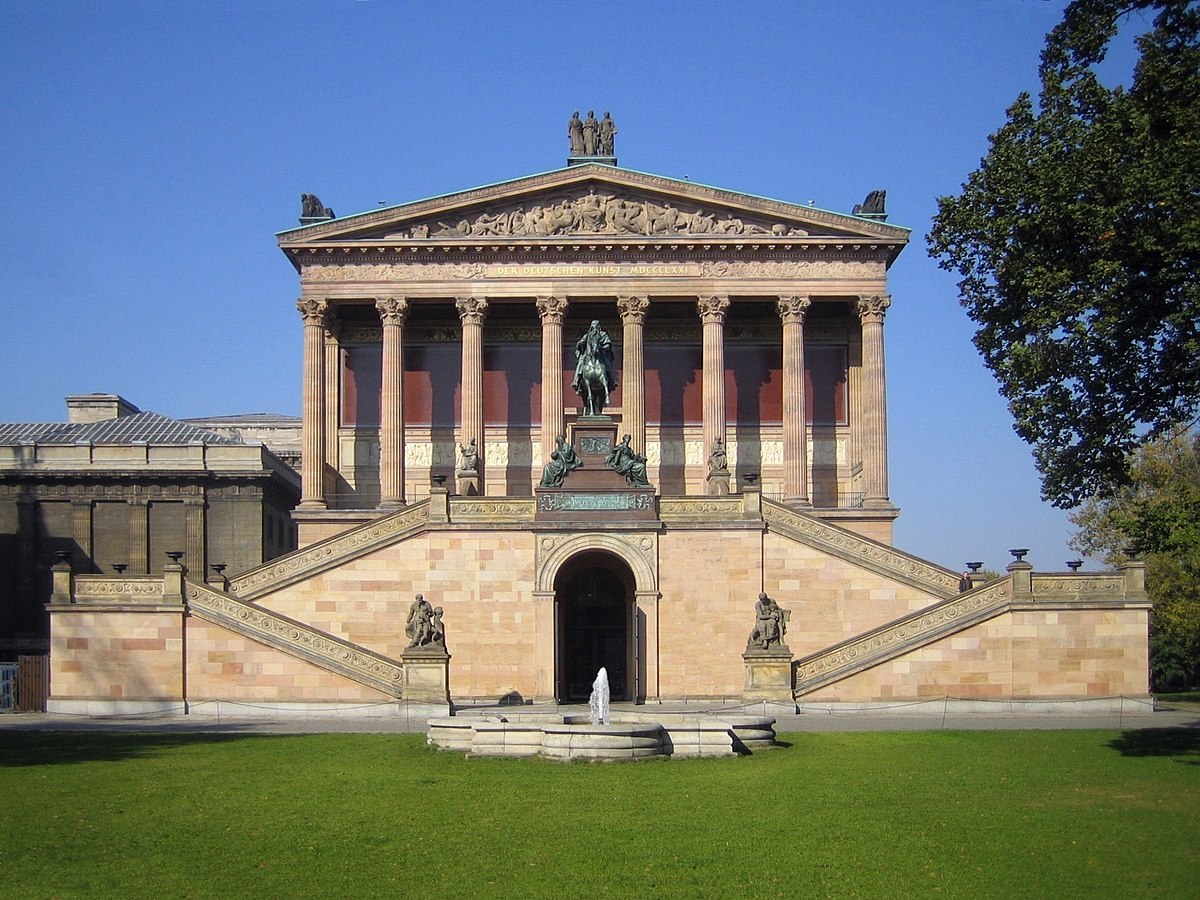
Alte Nationalgalerie
📍 Berlin, Germany
The Alte Nationalgalerie, an esteemed art museum located in Berlin’s Bezirk Mitte, is a cornerstone of cultural appreciation in Germany. This museum …