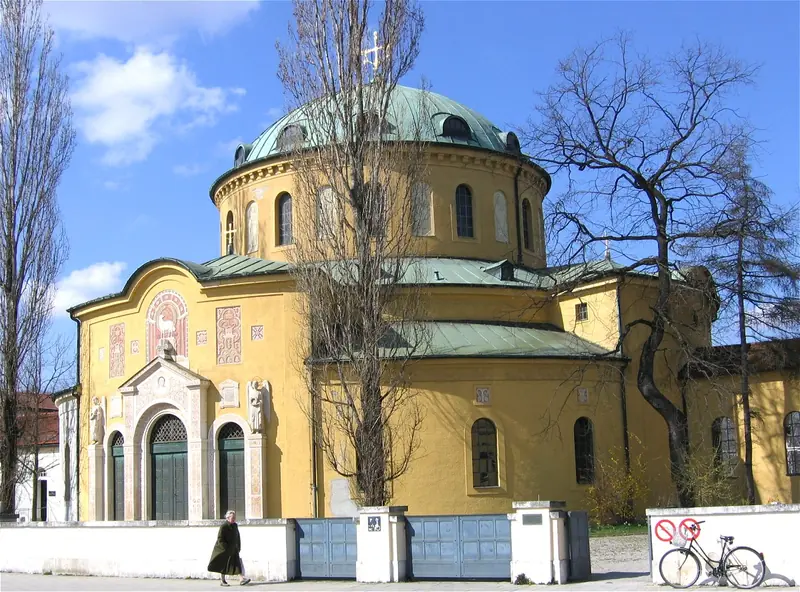
Overview
Westfriedhof, a significant cemetery located in the heart of Munich, Germany, serves as both a resting place for the departed and a poignant reminder of the city’s cultural narrative. This historic site is not merely a burial ground; it is a space where art, memory, and history converge. As visitors wander through its pathways, they encounter the stories of those who shaped the region’s past, making it a reflective and contemplative experience. With its carefully designed layout and artistic graves, Westfriedhof reflects the city’s changing attitudes towards death and memorialization across different eras.
Situated at the coordinates 48.169620702, 11.526656671, Westfriedhof is easily accessible and offers a tranquil escape from the bustling urban environment. The cemetery’s significance extends beyond its role as a final resting place; it serves as a venue for remembrance and education, inviting visitors to explore the broader cultural and historical context of Munich. Whether you are a history enthusiast, an architecture lover, or simply seeking a peaceful stroll, Westfriedhof promises an engaging experience that invites reflection on life and legacy.
History and Significance
The establishment of Westfriedhof as a cemetery marks an essential chapter in Munich’s narrative, reflecting societal changes in attitudes toward death and remembrance. The cemetery has evolved alongside the city itself, adapting to the needs of its community and the transformations in burial practices over the years. Its creation can be attributed to the growing population of Munich and the necessity for a larger burial space as traditional graveyards became overcrowded.
As a historic cemetery, Westfriedhof holds immense cultural significance. It is a place where many notable figures from Munich’s past are interred, and their legacies continue to influence the city’s identity. The cemetery serves as a memorial not only to the individuals who rest there but also to the artistic and architectural movements that have shaped Munich. This convergence of art and memory makes Westfriedhof an important site for understanding the historical context of the region.
In addition to its role as a burial ground, Westfriedhof is a space for public remembrance. The cemetery’s design and layout encourage visitors to engage with the personal stories of those interred, fostering a sense of connection with the city’s history. Many families continue to visit their loved ones, ensuring that memories are preserved and celebrated. This enduring significance underscores the cemetery’s role in the collective memory of Munich, making it an essential stop for anyone interested in the city’s heritage.
Architecture and Features
Westfriedhof is characterized by its unique architectural elements that reflect various styles and periods. The layout of the cemetery is designed to create a serene environment, inviting quiet reflection as visitors traverse its paths. The graves are often adorned with intricate sculptures and memorials, showcasing the artistic talents of the time and the personal stories of the deceased.
One of the most notable features of Westfriedhof is the diverse range of gravestones, which vary in style from simple markers to elaborate monuments. This variety illustrates the cultural shifts in memorialization practices, as well as the personal preferences of those who commissioned them. The artistic expressions found within the cemetery serve not only as tributes to individual lives but also as reflections of broader societal values regarding death and remembrance.
In addition to the gravestones, the cemetery is punctuated with lush greenery and well-maintained landscaping, further enhancing its tranquil atmosphere. The thoughtful placement of trees and plants adds to the serene experience, allowing visitors a moment of peace amidst the historical reflections. The combination of nature and art creates a harmonious environment that is both visually appealing and emotionally resonant.
Visiting Information
Visiting Westfriedhof offers a unique opportunity to engage with Munich’s history in a contemplative setting. The cemetery is accessible by public transportation, making it easy for visitors to reach. Various transport options are available, including buses and trams, which connect directly to the site.
Check the official website for current information on hours and admission prices, as these may vary throughout the year. While exploring Westfriedhof, visitors can expect to spend approximately one to two hours walking through the cemetery, depending on their interest in the various memorials and the time taken to reflect.
The best times to visit are during the spring and autumn months when the weather is pleasant and the natural beauty of the cemetery is at its peak. Early mornings or late afternoons are ideal for those seeking a quieter experience, as these times tend to attract fewer visitors.
Nearby Attractions
Several notable attractions are located close to Westfriedhof, making it an excellent starting point for further exploration in Munich:
Nymphenburg Palace: A short distance away, this stunning Baroque palace is a must-visit. The expansive gardens and ornate interiors offer a glimpse into the royal history of Bavaria.
Museum Mensch und Natur: Located nearby, this museum focuses on the relationship between humans and nature, featuring engaging exhibits that appeal to visitors of all ages.
Botanical Garden Munich: For those interested in flora, the nearby botanical garden features a vast collection of plants and serene walking paths, perfect for a leisurely stroll.
Olympiapark: A short trip from the cemetery, this park is home to the iconic Olympic Stadium and offers various recreational activities, including walking trails and boating.
Munich’s City Center: The bustling heart of the city is not far away, providing access to shopping, dining, and cultural experiences, including historic landmarks like Marienplatz.
Insider Tips
For those planning a visit to Westfriedhof, here are some insider tips to enhance your experience:
Photography: While photography is generally allowed, be respectful of the solemn atmosphere. Early morning light can provide beautiful conditions for capturing the artistic details of the gravestones.
Crowd Avoidance: To enjoy a quieter visit, consider going on weekdays rather than weekends. Early mornings are often less crowded and provide a peaceful environment for reflection.
Practical Information
When visiting Westfriedhof, it’s advisable to bring a few essentials for a comfortable experience:
Comfortable Footwear: Expect to do some walking along the paths, so wear comfortable shoes.
Water and Snacks: While there may not be facilities within the cemetery, bringing water and a snack can enhance your visit, especially if you plan to spend a longer time exploring.
Seasonal Considerations: The weather can vary, so check the forecast and dress appropriately. During cooler months, layering is recommended to ensure comfort.
Frequently Asked Questions
How long should I spend visiting?
A visit typically takes between one to two hours, depending on your interest in exploring the various memorials.
Is photography allowed?
Yes, photography is generally allowed, but it is important to be respectful of the space and the memories it holds.
Are there guided tours?
Check the official website for information about guided tours, as offerings may vary.
What’s the best time to visit?
The best times to visit are during the spring and autumn months, and early mornings or late afternoons are ideal for a quieter experience.
Is it wheelchair accessible?
While specific accessibility information is not provided, the paths are generally designed for public access. It’s advisable to check with the official website for detailed accessibility options.
Can I buy tickets online?
Check the official website for current information regarding ticket purchasing options.
Are there restrooms and cafes?
Facilities such as restrooms and cafes may not be available on-site, so plan accordingly.
What should I wear?
Dress comfortably and appropriately for the weather. Layers are recommended during cooler months.
Westfriedhof offers a unique glimpse into the cultural and historical landscape of Munich, inviting visitors to reflect on the lives and stories of those who came before.