
Weserrenaissance-Museum Schloss Brake
Overview
The Weserrenaissance-Museum Schloss Brake, located in the charming town of Lemgo, Germany, is a unique art museum that showcases the rich heritage of the Weserrenaissance style. This architectural movement, flourishing in the late Renaissance period, is characterized by its distinctive blend of Gothic and Renaissance elements, evident in the museum’s impressive structure and the artworks it houses. The museum not only serves as a repository of art but also as a cultural hub that reflects the historical significance of the region.
Situated in the picturesque surroundings of Lemgo, the museum offers visitors an opportunity to explore both the artistic and architectural marvels of the Weserrenaissance. The museum is housed within the historic walls of Schloss Brake, a former castle that adds to the ambience of the visit. With its diverse collection and engaging exhibitions, the Weserrenaissance-Museum promises an enriching experience for art lovers, history enthusiasts, and casual visitors alike.
As you traverse through the museum’s galleries, you will discover works that encapsulate the essence of the Weserrenaissance, providing insights into the artistic trends and cultural movements of the time. This guide will prepare you for an unforgettable visit to this remarkable institution, highlighting its historical context, architectural features, and practical information for a smooth experience.
History and Significance
The Weserrenaissance-Museum Schloss Brake is significant not only for its artistic collection but also for its historical context. The Weserrenaissance refers to a specific architectural style that emerged along the Weser River in northern Germany during the late Renaissance period. This unique style is characterized by its intricate facades, decorative elements, and the harmonious integration of different architectural influences.
The museum itself is located in Schloss Brake, a castle that has witnessed centuries of transformation. Originally constructed in the 16th century, the castle has served various purposes throughout its history, including that of a noble residence and a military stronghold. Its conversion into a museum marks a pivotal moment in preserving and celebrating the cultural heritage of the region.
As an art museum, Schloss Brake is dedicated to showcasing the artistic achievements of the Weserrenaissance. Its collection includes an array of paintings, sculptures, and decorative arts that reflect the aesthetics and craftsmanship of the time. The museum’s exhibits often feature works from prominent local artists and artisans, highlighting the importance of regional contributions to the broader narrative of European art history.
Moreover, the museum plays a vital role in educating the public about the significance of the Weserrenaissance. Through various exhibitions and programs, it promotes an understanding of this unique artistic movement and its impact on the cultural landscape of northern Germany. The museum also serves as a venue for cultural events, workshops, and lectures, fostering a vibrant dialogue about art and history.
Visiting the Weserrenaissance-Museum Schloss Brake offers not only a glimpse into the artistic heritage of the region but also an appreciation for the historical narratives that have shaped it. The museum stands as an important institution for preserving and sharing the legacy of the Weserrenaissance, making it a must-visit for those interested in the intersection of art, history, and architecture.
Architecture and Features
The architecture of the Weserrenaissance-Museum Schloss Brake is a prime example of the Weserrenaissance style, which is known for its elaborate and ornate designs. The museum is housed within the walls of Schloss Brake, a structure that embodies the aesthetic principles of this architectural movement. The castle’s exterior is characterized by its detailed brickwork, intricate gables, and decorative elements that are emblematic of the period.
As you approach the museum, the imposing facade of Schloss Brake captures attention with its harmonious proportions and elegant lines. The blend of Gothic and Renaissance elements is particularly striking, showcasing the craftsmanship of the builders who designed the castle. The use of local materials and traditional construction techniques further enhances the authenticity of the structure.
Inside, the museum features a thoughtfully curated layout that allows visitors to explore the collection methodically. The galleries are designed to highlight the artworks while maintaining a sense of the historical context of the building. The spacious rooms are adorned with high ceilings and large windows that invite natural light, creating an inviting atmosphere for art appreciation.
Notable features of the museum include not only the artworks but also the architectural details that adorn the interior. Visitors can observe intricately carved wooden elements, exquisite plasterwork, and period furnishings that contribute to the overall aesthetic experience. The combination of art and architecture within the museum creates a cohesive narrative that speaks to the cultural significance of the Weserrenaissance.
The museum also hosts temporary exhibitions that may focus on specific artists, themes, or movements, providing visitors with fresh perspectives and insights into the evolution of art in the region. These exhibitions are often accompanied by educational materials and events that encourage deeper engagement with the subject matter.
Overall, the Weserrenaissance-Museum Schloss Brake is not just an art museum; it is a celebration of the architectural heritage of the Weserrenaissance style. Its unique blend of history, art, and architecture makes it a compelling destination for anyone interested in the cultural treasures of northern Germany.
Visiting Information
When planning your visit to the Weserrenaissance-Museum Schloss Brake, it’s essential to consider several factors to ensure a fulfilling experience. The museum is accessible to a broad range of visitors, offering a variety of services and amenities that enhance your visit.
To reach the museum, various modes of transport are available, including public transportation options and personal vehicles. The museum’s location in Lemgo makes it a convenient stop for travelers exploring the region. Upon arrival, visitors can expect a welcoming environment with staff ready to assist with any inquiries.
While specific hours and ticket prices may vary, it’s advisable to check the official website for current information before your visit. This will provide you with the most accurate details regarding opening hours, admission fees, and any special events or exhibitions that may be taking place during your visit.
In terms of what to expect, the museum is designed to accommodate a range of visitors, from art enthusiasts to families. The layout allows for a leisurely exploration of the galleries, and visitors typically spend around two to three hours to fully appreciate the collection. For those interested in a more in-depth experience, guided tours may be available, offering insights into the artworks and the history of the Weserrenaissance.
The best times to visit the museum are generally during weekdays or non-holiday periods when crowds are smaller. This allows for a more intimate experience with the art and a greater opportunity to engage with the exhibits.
Additionally, the museum may offer seasonal events or activities, so it is worth checking in advance to see if there are any special programs that align with your visit.
Nearby Attractions
While visiting the Weserrenaissance-Museum Schloss Brake, take some time to explore other attractions in Lemgo and the surrounding area. Here are a few noteworthy sites that complement your museum experience:
St. Mary’s Church (Maria-Magdalenen-Kirche): A stunning example of Gothic architecture, this church is located in the heart of Lemgo. Its intricate stained glass windows and impressive altar make it a worthwhile stop for those interested in religious architecture.
Lemgo Historic Town Center: The town center of Lemgo is filled with charming half-timbered houses, quaint shops, and cafes. A leisurely stroll through this area provides insight into the town’s history and architectural beauty.
Brake Castle Park: Surrounding the museum, this park offers a peaceful retreat with well-maintained gardens and walking paths. It’s an ideal spot for a leisurely walk or a picnic after visiting the museum.
The Hexenbürgermeisterhaus: This historical building is dedicated to the witch trials that took place in Lemgo. The museum offers an engaging look into this dark chapter of history and its implications on society.
The Lemgo Local History Museum: Just a short distance from the Weserrenaissance-Museum, this museum provides further context into the region’s history and culture, presenting exhibits on local traditions and historical events.
These nearby attractions enrich your visit to the Weserrenaissance-Museum Schloss Brake, providing a broader understanding of the cultural and historical landscape of Lemgo.
Insider Tips
To enhance your visit to the Weserrenaissance-Museum Schloss Brake, consider the following insider tips:
Photography: While taking photos can be a wonderful way to capture your experience, be sure to check the museum’s policy regarding photography. Some areas may have restrictions, so it’s best to inquire upon arrival.
Crowd Avoidance: If you prefer a quieter experience, consider visiting during weekday mornings. This is often when the museum sees fewer visitors, allowing for a more relaxed exploration of the galleries.
Engage with the Staff: The museum staff can be a valuable resource. Don’t hesitate to ask questions or seek recommendations for specific artworks or exhibits that might interest you.
Take Your Time: Allow yourself to linger in the galleries. The beauty of art often lies in the details, so take the time to appreciate the nuances of each piece.
Check for Special Events: Before your visit, check the museum’s official website for any upcoming exhibits or events that may coincide with your trip. Participating in these can enhance your experience and provide additional insights.
Practical Information
When preparing for your visit to the Weserrenaissance-Museum Schloss Brake, keep the following practical considerations in mind:
What to Bring: Comfortable walking shoes are recommended, as you may spend a considerable amount of time exploring the museum and its surroundings. Additionally, consider bringing a water bottle and a small notebook for jotting down thoughts or sketches.
Seasonal Considerations: Lemgo experiences distinct seasons, so dress appropriately for the weather. If visiting during colder months, layering is advisable. In the warmer months, a light jacket may still be necessary for cooler evenings.
Accessibility: The museum strives to accommodate visitors with varying needs. If you have specific accessibility requirements, it may be beneficial to reach out in advance to inquire about available services.
Dining Options: While the museum may have on-site facilities, exploring nearby cafes and restaurants can provide a pleasant break during your visit. Lemgo offers a variety of dining options ranging from casual eateries to more formal dining experiences.
By keeping these practical tips in mind, you can ensure a comfortable and enjoyable visit to the Weserrenaissance-Museum Schloss Brake.
Frequently Asked Questions
How long should I spend visiting?
A typical visit to the Weserrenaissance-Museum Schloss Brake lasts between two to three hours, allowing ample time to explore the galleries and engage with the exhibits.
Is photography allowed?
Photography policies may vary within the museum. It is advisable to check with staff upon arrival regarding any restrictions on photography.
Are there guided tours?
The museum may offer guided tours that provide in-depth insights into the collection and its historical context. Check the official website for availability and scheduling.
What’s the best time to visit?
Weekday mornings are often less crowded, making them ideal for visitors seeking a quieter experience. However, checking the museum’s calendar for any special events is also recommended.
Is it wheelchair accessible?
The museum is designed to accommodate visitors with mobility challenges. For specific accessibility features, consider reaching out to the museum in advance.
Can I buy tickets online?
Ticket purchasing options may be available online. It is advisable to check the official website for current ticketing information and availability.
Are there restrooms and cafes?
Facilities such as restrooms are typically available within the museum. Additionally, nearby cafes and restaurants offer dining options for visitors.
What should I wear?
Comfortable clothing and shoes are recommended, as visitors will likely be walking and standing for extended periods. Dress appropriately for the current weather conditions.
In conclusion, the Weserrenaissance-Museum Schloss Brake is an enriching destination that combines art, history, and architecture in a unique way. Whether you are an art aficionado or a casual visitor, this museum offers a meaningful experience that highlights the cultural heritage of the Weserrenaissance.
More in Lower Saxony

2000 Jahre Christentum
📍 Lower Saxony, Germany
The “2000 Jahre Christentum,” a prominent statue located in Brunswick, Germany, serves as a significant cultural landmark that reflects the rich …
A. Heucke
📍 Lower Saxony, Germany
A. Heucke, located in the historic town of Gatersleben in Germany’s Seeland region, represents a significant chapter in the story of industrial …

Aalto Theatre
📍 Lower Saxony, Germany
The Aalto Theatre in Essen, Germany, is a prominent cultural landmark that attracts both local and international visitors. Renowned for its …

Aasee
📍 Lower Saxony, Germany
Aasee is a picturesque lake located in the town of Ibbenbüren, Germany, serving as a popular destination for both locals and visitors alike. This …
Abgunst Mine
📍 Lower Saxony, Germany
Abgunst Mine, located in the industrial heart of Essen, Germany, is a significant heritage site that represents the country’s rich mining history. As …

Accumer Mühle
📍 Lower Saxony, Germany
Accumer Mühle is a captivating windmill located in Schortens, Germany, that showcases the remarkable engineering of traditional European mills. This …
More Art Museums

Aachen Cathedral Treasury
📍 North Rhine-Westphalia, Germany
Aachen Cathedral Treasury, located in the historic city of Aachen, Germany, is a remarkable art museum that houses an impressive collection of …

Abteiberg Museum
📍 North Rhine-Westphalia, Germany
In the heart of Mönchengladbach, Germany, the Abteiberg Museum stands out as a prominent destination for art enthusiasts and cultural explorers alike. …

Akademisches Kunstmuseum
📍 North Rhine-Westphalia, Germany
In the heart of Bonn, Germany, lies the Akademisches Kunstmuseum, an art museum that invites visitors to explore a diverse collection of artworks …

Albertinum
📍 Saxony, Germany
Albertinum is a prominent art museum located in the heart of Dresden, Germany, serving as a significant cultural institution in the region. …

Albrecht Dürer's House
📍 Bavaria, Germany
Albrecht Dürer’s House stands as a significant cultural landmark in Nuremberg, Germany, celebrating the life and work of one of the Renaissance’s most …
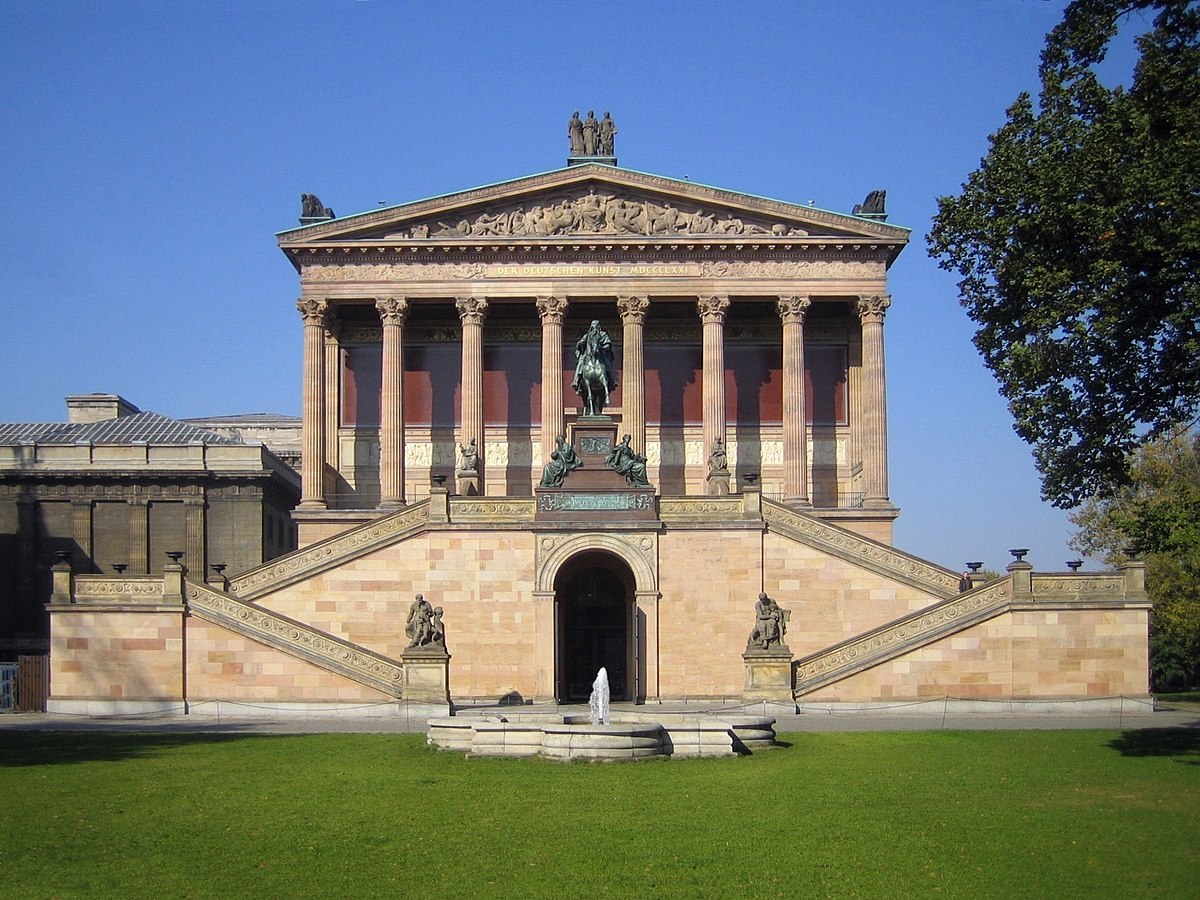
Alte Nationalgalerie
📍 Berlin, Germany
The Alte Nationalgalerie, an esteemed art museum located in Berlin’s Bezirk Mitte, is a cornerstone of cultural appreciation in Germany. This museum …