
Wesermühlen
Overview
Wesermühlen, located in the historic town of Hamelin, Germany, is a remarkable architectural ensemble that highlights the region’s rich industrial heritage. Renowned for its watermills along the Weser River, this site signifies the vital role that these structures played in local commerce and daily life. The architectural ensemble is not only a visual delight but also an essential part of the narrative that shaped the economic and cultural landscape of Hamelin. Visitors to Wesermühlen can expect to explore a fascinating blend of history and technology against the picturesque backdrop of the Weser River, making it a unique destination for those interested in both heritage and architecture.
Situated at coordinates 52.1043, 9.35369, Wesermühlen’s significance extends beyond its physical structures. The site serves as a reminder of the ingenuity and resourcefulness of previous generations who harnessed the power of water for milling grain and other industrial purposes. The innovative design and functionality of these watermills have left a lasting impact on the region, making Wesermühlen a must-visit for anyone seeking to understand the essence of Hamelin’s historical development.
As you stroll through this architectural ensemble, you will encounter the remnants of centuries past, each telling a story of craftsmanship, community, and progress. Whether you are an architecture aficionado, a history buff, or simply a curious traveler, Wesermühlen promises an enriching experience that connects the past with the present.
History and Significance
The Wesermühlen in Hamelin represents a critical chapter in the local history of the region, particularly in relation to its industrial evolution. The term “Wassermühlen” translates to “watermills,” which indicates the primary function of these structures: utilizing the power of the Weser River to grind grain and support agricultural practices. This innovation was essential for the community’s sustenance and economic development.
Watermills have been a vital part of Hamelin’s landscape for centuries, and their presence signifies the importance of water power in pre-industrial societies. The mills not only facilitated food production but also provided employment opportunities for local residents. The architectural ensemble of Wesermühlen reflects this cultural importance, showcasing the traditional craftsmanship that went into constructing these mills and the vital role they played in shaping the socio-economic fabric of the area.
As time progressed, advancements in technology and changes in industrial practices led to the decline of traditional watermills. However, the surviving structures at Wesermühlen stand as a testament to an era when water-powered milling was at its peak. They serve as a valuable resource for historians and visitors alike, offering insights into the technological advancements of the time and their impact on society.
Today, Wesermühlen is not only a site of historical significance but also a cultural landmark that attracts visitors from near and far. Its preservation allows for the exploration of Hamelin’s rich heritage and fosters a greater understanding of the relationship between the community and its natural resources. The architectural ensemble is an enduring symbol of the innovation and resilience that characterized the town’s development over the centuries.
Architecture and Features
The architectural ensemble of Wesermühlen is characterized by its unique watermill structures, which are designed to harness the natural flow of the Weser River. These buildings are notable for their functional designs that are both practical and aesthetically pleasing. The use of local materials, such as timber and stone, showcases the craftsmanship of the builders and their deep connection to the surrounding landscape.
Each watermill within the ensemble has its own distinct features, reflecting the variations in design and function that occurred over the years. Common elements include large wooden wheels that powered the grinding stones, as well as intricate mechanisms for controlling water flow. The mills often feature large openings for easy access to the river, allowing for the efficient operation of the milling process.
Visitors can explore the exteriors of these structures, observing the architectural details that illustrate the historical building practices of the region. The layout of the ensemble is designed to facilitate movement between the mills, providing an engaging experience for those interested in understanding how these buildings operated in concert with one another.
In addition to the mills themselves, the surrounding landscape enhances the experience of visiting Wesermühlen. The proximity to the Weser River offers a serene setting, with opportunities for walking along the riverbanks and appreciating the natural beauty of the area. The architectural ensemble not only represents a historical function but also contributes to the picturesque scenery of Hamelin, making it a delightful destination for photography and exploration.
Visiting Information
Wesermühlen is conveniently located in Hamelin, making it accessible for both local and international visitors. To reach the site, various modes of transport are available, including walking, cycling, and public transportation. The town of Hamelin is well-connected, and the Wesermühlen can be reached easily from the city center.
When planning your visit, be sure to check the official website for current information regarding hours and prices, as these details may change seasonally. The experience at Wesermühlen is best enjoyed at a leisurely pace, allowing visitors to fully appreciate the historical significance and architectural beauty of the watermills. A visit can typically take around one to two hours, depending on your level of interest in the details of the site.
To enhance your visit, consider timing your trip during the spring or autumn months when the weather is generally mild, and the natural surroundings are particularly beautiful. Early mornings or late afternoons may also be ideal for avoiding larger crowds and for enjoying the softer light that is perfect for photography.
Nearby Attractions
While visiting Wesermühlen, take advantage of the opportunity to explore other nearby attractions in Hamelin. A few suggestions include:
Hamelin Old Town: Known for its charming streets and half-timbered houses, the Old Town offers a picturesque setting for leisurely strolls and exploration of local shops and eateries.
The Pied Piper of Hamelin Statue: This iconic statue commemorates the legendary tale of the Pied Piper, an essential part of Hamelin’s folklore and cultural identity.
Hamelin Museum: Delve deeper into the history and culture of Hamelin through exhibits that showcase the town’s past, including its industrial heritage and connection to the Pied Piper legend.
St. Bonifatius Church: A beautiful example of Gothic architecture, this church offers a serene atmosphere and stunning stained glass windows.
Weser Uplands: For those who enjoy nature, the surrounding Weser Uplands provide excellent opportunities for hiking and exploring the scenic landscape.
Insider Tips
For the best photography opportunities, consider visiting Wesermühlen during the golden hour, shortly after sunrise or before sunset, when the natural light casts a warm glow on the buildings. This time also tends to be less crowded, allowing for a more peaceful experience.
To avoid larger groups, plan your visit during weekdays rather than weekends or during school holidays when tourist traffic may peak. Engaging with local guides can also enhance your understanding of the site, as they often share insights that you might not find in printed materials.
Practical Information
When visiting Wesermühlen, be sure to dress comfortably, as you may be doing a fair amount of walking. Depending on the season, consider layering your clothing to adapt to changing temperatures. A good pair of walking shoes is essential for navigating the site and the surrounding areas.
If you’re planning to spend a significant amount of time outdoors, don’t forget to bring water and snacks to keep you energized during your exploration. Additionally, check the weather forecast prior to your visit, as conditions can change rapidly.
Frequently Asked Questions
How long should I spend visiting?
A visit to Wesermühlen typically takes around one to two hours, depending on your interest level in the historical and architectural elements.
Is photography allowed?
Yes, photography is generally permitted, and the site offers many picturesque opportunities.
Are there guided tours?
Check the official website for information regarding guided tours, as they may be available at certain times.
What’s the best time to visit?
Early mornings or late afternoons during weekdays are often the best times to visit to avoid large crowds.
Is it wheelchair accessible?
Accessibility information should be verified on the official website, as facilities may vary.
Can I buy tickets online?
Check the official website for the latest information regarding ticket purchasing options.
Are there restrooms and cafes?
Restroom availability and nearby café options can be confirmed on the official website.
What should I wear?
Comfortable clothing and sturdy walking shoes are recommended for exploring the site and surrounding areas.
More in Lower Saxony

2000 Jahre Christentum
📍 Lower Saxony, Germany
The “2000 Jahre Christentum,” a prominent statue located in Brunswick, Germany, serves as a significant cultural landmark that reflects the rich …
A. Heucke
📍 Lower Saxony, Germany
A. Heucke, located in the historic town of Gatersleben in Germany’s Seeland region, represents a significant chapter in the story of industrial …

Aalto Theatre
📍 Lower Saxony, Germany
The Aalto Theatre in Essen, Germany, is a prominent cultural landmark that attracts both local and international visitors. Renowned for its …

Aasee
📍 Lower Saxony, Germany
Aasee is a picturesque lake located in the town of Ibbenbüren, Germany, serving as a popular destination for both locals and visitors alike. This …
Abgunst Mine
📍 Lower Saxony, Germany
Abgunst Mine, located in the industrial heart of Essen, Germany, is a significant heritage site that represents the country’s rich mining history. As …

Accumer Mühle
📍 Lower Saxony, Germany
Accumer Mühle is a captivating windmill located in Schortens, Germany, that showcases the remarkable engineering of traditional European mills. This …
More Architectural Ensembles

144., 176. und 184. Gemeindeschule
📍 Berlin, Germany
The 144., 176. und 184. Gemeindeschule, an architectural ensemble located in the vibrant city of Berlin, stands as a noteworthy example of educational …

Adelheidstraße 3–7, 9–12, 12a, 14, 15, 22–31, Amelungstraße 1, Friedrich-Ebert-Platz
📍 Lower Saxony, Germany
In the heart of Quedlinburg, Germany, lies a captivating architectural ensemble that reflects the town’s historical significance and cultural …

Aegidiimarkt
📍 Lower Saxony, Germany
Aegidiimarkt is a captivating architectural ensemble located in the heart of Münster, Germany. This vibrant square not only serves as a hub for local …
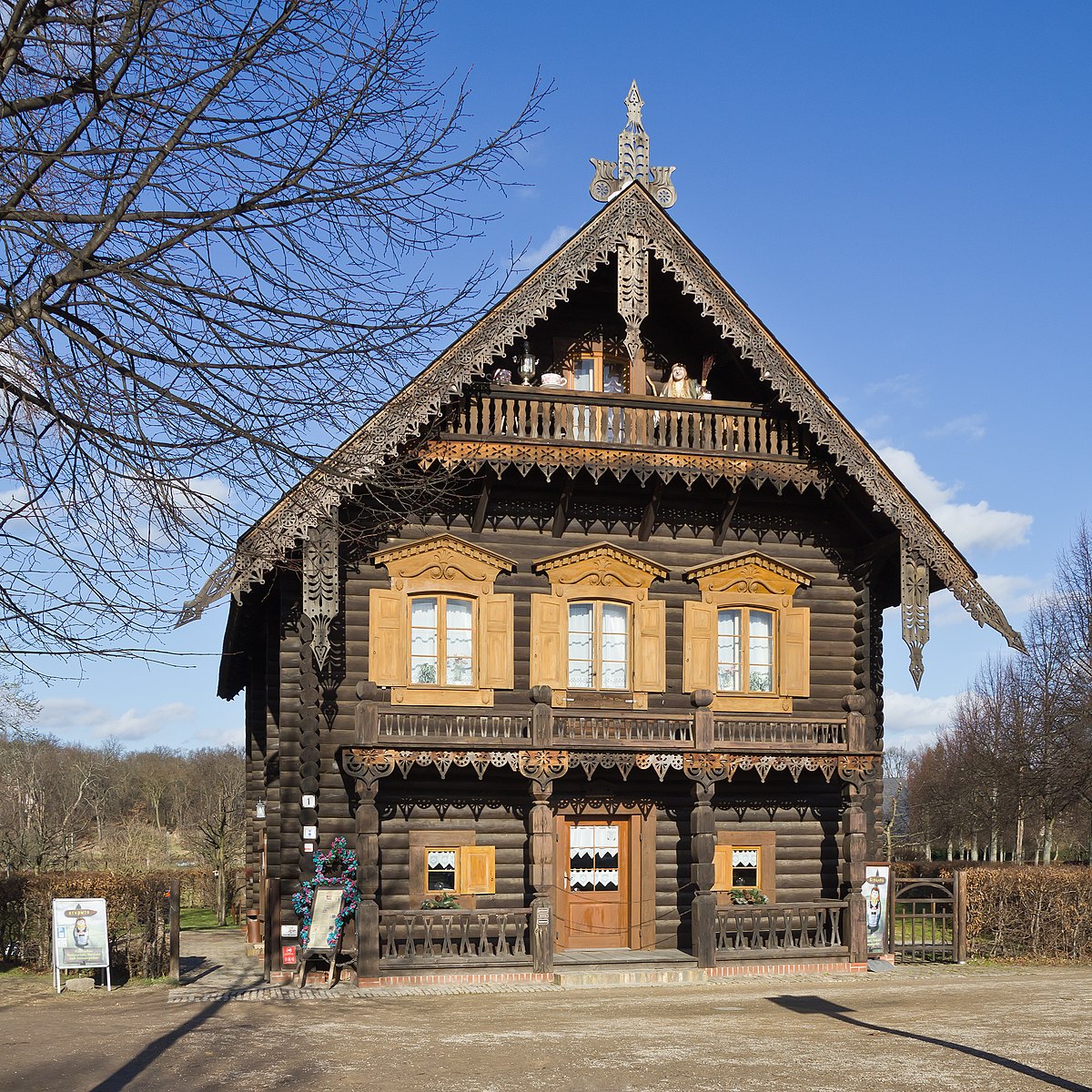
Alexandrowka
📍 Brandenburg, Germany
Located in the picturesque city of Potsdam, Germany, Alexandrowka is an intriguing architectural ensemble that reflects a unique blend of Russian and …

Alhauser Hammer
📍 North Rhine-Westphalia, Germany
Alhauser Hammer is a remarkable architectural ensemble located in Ennepetal, Germany, known for its historical significance as a water-driven hammer …

Alsdorfer Ölmühle
📍 North Rhine-Westphalia, Germany
The Alsdorfer Ölmühle, an architectural ensemble located in the heart of Alsdorf, Germany, is a remarkable example of a traditional watermill that …