Overview
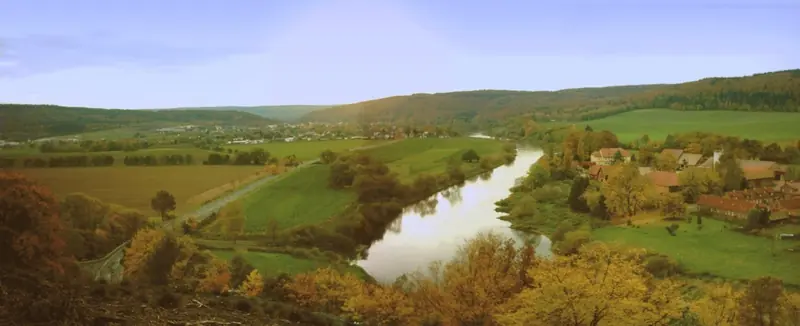
The Weser River, flowing gracefully through north-western Germany, is a vital waterway that has shaped the region’s cultural and economic landscape. Originating in the central highlands, this major river travels approximately 440 kilometers through picturesque towns, lush forests, and rolling hills before emptying into the North Sea. The Weser is not just a river; it is a lifeline that has nurtured communities for centuries, offering a blend of natural beauty and historical significance. Whether you’re drawn to its serene banks for leisure activities or intrigued by the stories it holds, the Weser River invites exploration and discovery.
The river’s course is marked by charming villages and vibrant cities, many of which have developed along its banks, showcasing the harmonious relationship between nature and human settlement. The Weser is an essential feature of the landscape, providing opportunities for boating, cycling, and hiking along its well-maintained paths. As you delve into the heart of the Weser region, it becomes clear that this river is more than a geographical landmark; it is a setting where history, culture, and nature converge, offering a unique experience for visitors.
History and Significance
The Weser River has been a crucial artery in the heart of Germany since ancient times. Serving as a major trade route, it facilitated commerce and communication between various regions, fostering economic growth and cultural exchange. The river’s banks have witnessed the rise and fall of numerous settlements, each contributing to the diverse tapestry of stories that define the region today.
Historically, the Weser was instrumental in the development of important towns such as Bremen and Minden. Bremen, located near the river’s mouth, became a significant port city, enhancing trade and navigation. The influence of the Weser on the local economy cannot be overstated, as it allowed for the transport of goods, people, and ideas, linking communities along its course.
Culturally, the river has inspired artists, poets, and musicians throughout the centuries, becoming a symbol of regional pride. Its banks are adorned with historical buildings and monuments reflecting the architectural styles of different eras. The Weser also plays a role in local traditions and festivals, where communities come together to celebrate their connection to this vital waterway.
In addition to its historical and cultural significance, the Weser River supports a diverse ecosystem. The river and its surrounding wetlands are home to various species of flora and fauna, making it an important site for biodiversity. Conservation efforts are ongoing to ensure the preservation of this natural habitat, highlighting the balance between human activity and environmental stewardship.
Architecture and Features
The Weser River is characterized by its dynamic landscape, which transitions from the rugged highlands to the fertile plains as it winds its way toward the North Sea. The banks of the river are lined with a combination of natural features and human-made structures, creating a unique environment that reflects both the beauty of nature and the ingenuity of architecture.
One of the notable architectural features along the Weser is the iconic Böttcherstraße in Bremen. This street is famous for its expressionist buildings, which showcase intricate craftsmanship and artistic design. The blend of brick and stone, along with unique sculptures, creates a vibrant atmosphere that pays homage to the city’s maritime heritage.
As you follow the river, you will encounter charming towns such as Minden, where the Weser and the Canal meet, revealing the engineering marvels of the 18th and 19th centuries. The town features historical structures, including the Minden Cathedral, which boasts a blend of Romanesque and Gothic elements.
In addition to these settlements, the river’s natural features include meandering banks, lush greenery, and serene waters, ideal for various recreational activities. The Weser River’s landscape is dotted with parks and walking paths, inviting visitors to explore its beauty on foot or by bicycle.
Visiting Information
Visiting the Weser River offers a range of activities and experiences for travelers. Depending on your interests, you can engage in leisurely walks along the riverbanks, cycling on designated paths, or enjoying boat tours that provide a unique perspective of the landscape.
Transportation to the Weser River is accessible, with major cities like Bremen and Minden serving as convenient entry points. Public transportation options, including trains and buses, connect these cities to various points along the river, making it easy to explore the region.
For specific details about visiting the Weser, including hours and prices for any tours or services, check the official website for current information. The best times for visiting typically align with the warmer months when outdoor activities are most enjoyable. Spring and early summer are particularly pleasant, as the weather is mild and the natural surroundings are in full bloom.
When planning your visit, consider allocating at least a few hours to fully appreciate the sights and activities available along the river. Whether you’re interested in history, nature, or simply relaxing by the water, the Weser offers a variety of experiences to suit every traveler.
Nearby Attractions
While the Weser River itself is a main attraction, the surrounding area is rich with additional points of interest:
Bremen: A historic city known for its UNESCO-listed Town Hall and the Roland statue, both symbols of Bremen’s autonomy and prosperity.
Minden: Home to the Minden Cathedral and the fascinating meeting point of the Weser and the Canal, offering insights into the region’s engineering history.
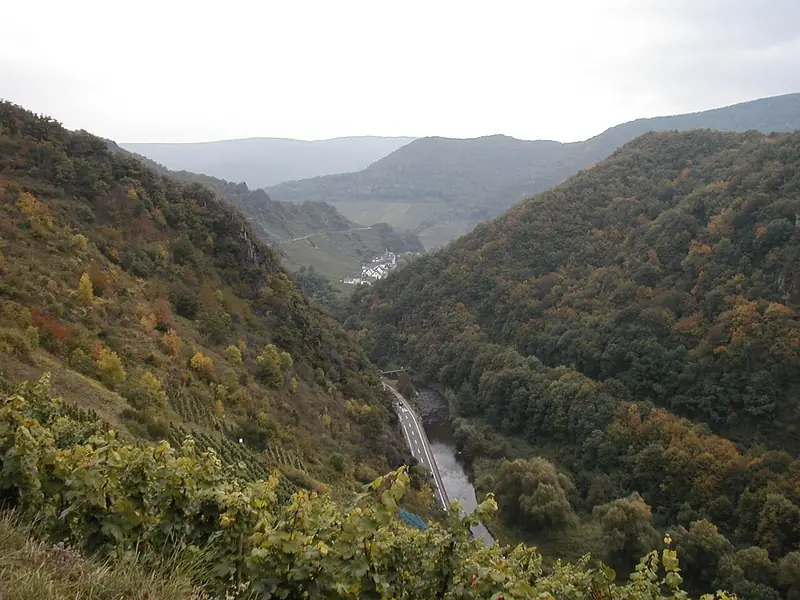
Porta Westfalica: A scenic area where the Weser flows through a gorge, providing stunning views and hiking opportunities.
Nienburg: A charming town featuring half-timbered houses and the historic Nienburg Castle, perfect for a leisurely exploration.
Bad Karlshafen: A spa town located at the confluence of the Weser and the Diemel, known for its picturesque architecture and tranquil atmosphere.
Insider Tips
To capture the beauty of the Weser River, consider taking photos during the golden hours of sunrise or sunset when the light enhances the stunning landscapes. Look for vantage points along the riverbanks that offer panoramic views.
For a quieter experience, visit less popular sections of the river or explore small towns during the weekdays when crowds are thinner. This will allow you to appreciate the serene environment and interact with locals.
Practical Information
When visiting the Weser River, it’s advisable to bring comfortable walking shoes, especially if you plan to explore the paths along the banks. Layered clothing is recommended, as weather conditions can vary throughout the day.
If you’re visiting during the warmer months, remember to stay hydrated and protect yourself from the sun. Sunscreen and a hat are essential, especially during outdoor activities.
Seasonal considerations can enhance your experience; for instance, spring is ideal for witnessing the blooming flora, while autumn offers a stunning display of changing leaves.
Frequently Asked Questions
How long should I spend visiting?
A visit to the Weser River can range from a few hours to a full day, depending on your interests and the activities you wish to engage in.
Is photography allowed?
Yes, photography is generally allowed along the river and in public spaces, so feel free to capture the scenic beauty.
Are there guided tours?
Yes, various guided tours may be available, particularly in major towns like Bremen. Check the official website for specific offerings.
What’s the best time to visit?
The best time to visit is during the warmer months, particularly from late spring to early autumn, when outdoor activities are most enjoyable.
Is it wheelchair accessible?
Access may vary by location, so it is recommended to check specific sites for wheelchair accessibility.
Can I buy tickets online?
For any tours or services, check the official website for current information on ticket purchasing options.
Are there restrooms and cafes?
Restroom facilities and cafes are typically available in major towns along the river. Check local amenities for specifics.
What should I wear?
Comfortable clothing and shoes are recommended for outdoor exploration. Dress in layers to accommodate changing weather conditions.
Whether you’re drawn by the history, the culture, or the natural beauty, a visit to the Weser River promises to leave a lasting impression, inviting you to explore its banks and the communities that thrive alongside this vital waterway.