Overview
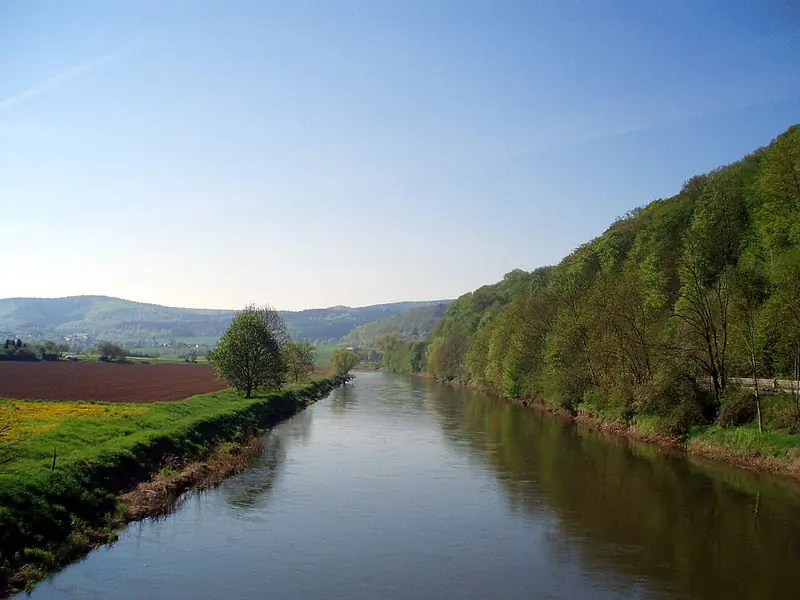
The Werra River flows gracefully through the heart of central Germany, offering not only a vital waterway but also a scenic backdrop for both recreation and reflection. Stretching across the stunning landscapes of Hesse and Thuringia, the Werra serves as a natural artery, connecting communities and ecosystems while drawing attention to the region’s diverse flora and fauna. This river is significant not only for its ecological contributions but also for its cultural relevance, having witnessed centuries of human activity along its banks.
Visitors to the Werra can explore a variety of recreational activities, from hiking and cycling along its picturesque trails to leisurely boat rides that allow for a unique perspective of the surrounding countryside. The river’s serene waters and lush landscapes promise an enriching experience for nature enthusiasts and casual travelers alike. As the Werra flows through vibrant towns and quiet villages, it offers a glimpse into the harmonious blend of nature and human history, making it a worthwhile destination for those seeking to immerse themselves in the natural beauty and cultural richness of Germany.
History and Significance
The Werra River has played an integral role in the development and sustainability of the regions it traverses. Historically, it was a crucial waterway for trade and transportation, facilitating the movement of goods and people during various periods of German history. The river’s banks have been inhabited since ancient times, with archaeological findings suggesting that settlements existed long before written records.
The cultural importance of the Werra is underscored by its influence on local folklore and traditions. Many towns along the river have developed unique customs and festivals that celebrate the natural bounty and cultural heritage associated with the waterway. The river has not only shaped the physical landscape but has also left an indelible mark on the cultural identity of the communities that have flourished along its banks.
In addition to its historical significance, the Werra is recognized for its environmental value. The river and its surrounding ecosystems support a diverse range of wildlife, including various species of fish, birds, and plant life. Conservation efforts in the region aim to protect the natural habitat, ensuring that the Werra continues to thrive as a vital ecological resource.
Architecture and Features
The Werra River is characterized by its meandering flow and varying width, which contribute to its scenic appeal. Along its banks, visitors can find a blend of natural beauty and human architecture, including charming towns and traditional structures that speak to the region’s history.
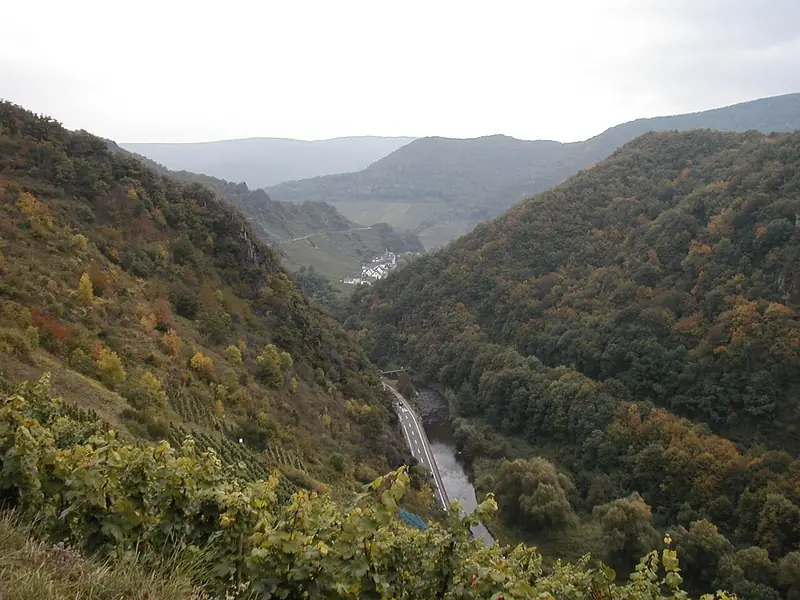
The river is flanked by lush greenery, with forests and meadows providing a habitat for wildlife. The surrounding landscapes are dotted with picturesque villages, each featuring their own unique architectural styles influenced by local traditions. Historic buildings, including churches and town halls, reflect the cultural heritage of the area, often showcasing classic German design elements.
As the Werra winds through the countryside, it also features recreational areas designed for public enjoyment. Walking and cycling paths are well-maintained, offering visitors the opportunity to explore the river’s banks while taking in the surrounding landscapes. Notable features along the river include vantage points that provide opportunities for photography and reflection, as well as picnic areas where families can gather to enjoy the serene environment.
Visiting Information
Reaching the Werra River is accessible via various modes of transportation. Local roads and public transport services connect visitors to key points along the river. It is advisable to check the official website for current information regarding transport options, as schedules may vary.
When planning your visit, consider the duration of time you wish to spend exploring the area. The Werra offers a range of activities, from leisurely strolls along its banks to more active pursuits like cycling or canoeing. Depending on your interests, a visit can last anywhere from a few hours to a full day.
The best times to experience the Werra are during the spring and summer months when the weather is pleasant and the surrounding flora is in full bloom. Autumn also provides a stunning display of colors along the riverbanks, making it a popular season for photography and outdoor activities.
Before visiting, it’s important to check the official website for information on hours of operation and any potential entry fees for specific recreational areas. Visitors should come prepared with appropriate clothing for outdoor activities, as well as provisions for a picnic or snacks.
Nearby Attractions
While the Werra River is a captivating destination on its own, several nearby attractions enhance the overall experience:
Eisenach: Known for its historical significance, Eisenach is home to the Wartburg Castle, a UNESCO World Heritage site, which offers insights into Germany’s medieval history.
Bad Sooden-Allendorf: This charming spa town is known for its therapeutic saltwater baths and wellness facilities, providing a perfect complement to a day by the river.
Thuringian Forest: A short distance from the Werra, this expansive forest offers numerous hiking trails and natural scenery, ideal for outdoor enthusiasts.
Hainich National Park: This park features diverse ecosystems and is home to a variety of wildlife, making it an excellent destination for nature lovers.
Fulda: Located a bit further from the river, Fulda is known for its baroque architecture and historical sites, offering a cultural experience alongside the natural beauty of the Werra.
Insider Tips
For photography enthusiasts, the Werra River provides numerous opportunities to capture stunning images. Early morning or late afternoon light enhances the landscape, creating dramatic shadows and reflections on the water. Look for vantage points along the walking trails or bridges for unique perspectives.
To avoid crowds, consider visiting on weekdays or during off-peak hours. Early morning strolls or late evening excursions can provide a more tranquil experience, allowing you to fully appreciate the beauty of the river and its surroundings.
Practical Information
When visiting the Werra River, it’s advisable to bring essentials such as water, snacks, and sun protection, especially during warmer months. Comfortable walking shoes are recommended for those looking to explore the trails, as well as weather-appropriate clothing.
Seasonal considerations can play a significant role in your visit. Spring and summer months are ideal for outdoor activities, while autumn offers a unique opportunity to witness the changing colors of the landscape. Winter visits may present challenges due to colder temperatures, but the tranquility of the river can provide a peaceful retreat during this time.
Frequently Asked Questions
How long should I spend visiting?
The duration of your visit can vary based on your interests, but a few hours to a full day is recommended to fully experience the river and its surroundings.
Is photography allowed?
Yes, photography is generally allowed along the river and surrounding areas. Be mindful of local regulations regarding specific sites.
Are there guided tours?
While there are no specific guided tours mentioned, local tourism offices may offer information on self-guided walking or cycling routes.
What’s the best time to visit?
Spring and summer are popular for outdoor activities, while autumn offers beautiful foliage. Choose a time that aligns with your interests.
Is it wheelchair accessible?
Accessibility may vary by specific locations along the river. It’s best to check with local resources for detailed information.
Can I buy tickets online?
For specific attractions or activities along the river, check the official website for ticketing information.
Are there restrooms and cafes?
Facilities may be available at nearby towns or designated recreational areas. Plan accordingly and check local resources for specifics.
What should I wear?
Dress in comfortable, weather-appropriate clothing suited for outdoor activities. Layering is advisable, especially in transitional seasons.