Overview
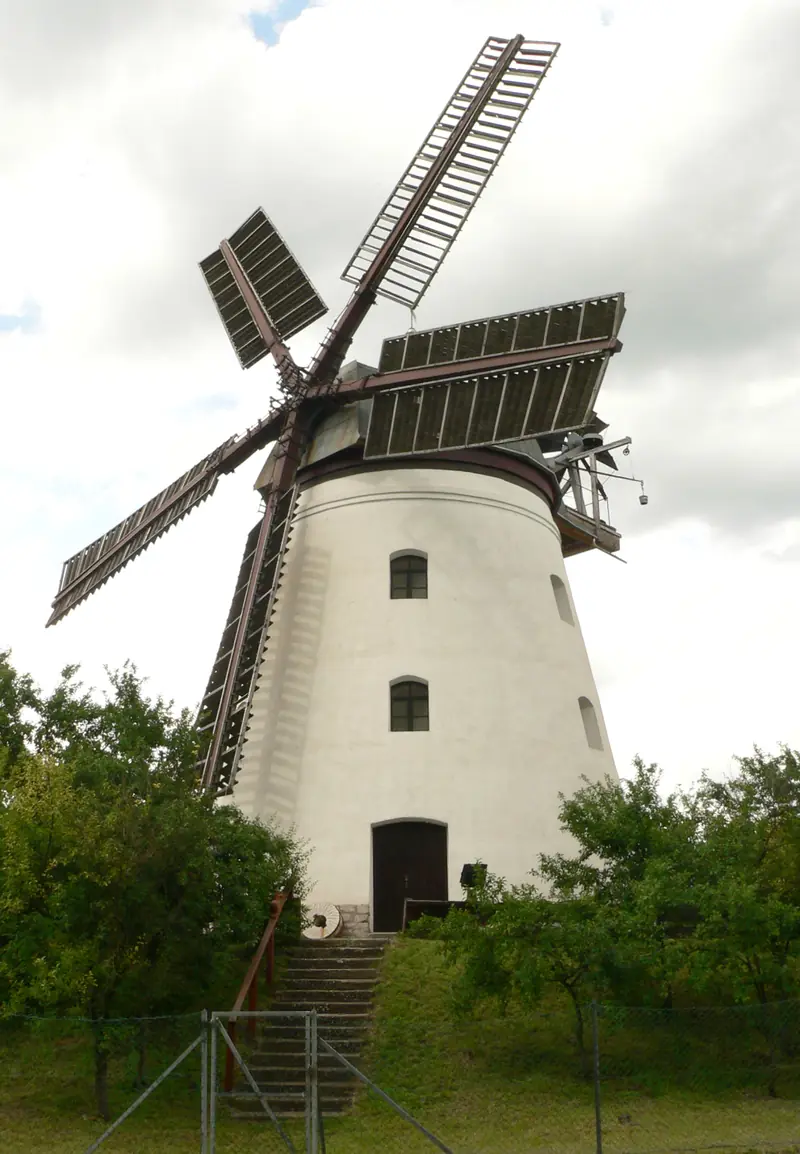
The Wendhausen Windmill, a striking example of 19th-century engineering, stands proudly in the charming town of Lehre, Lower Saxony, Germany. This historic tower mill not only represents the ingenuity of its time but also serves as a crucial piece of industrial heritage. As visitors approach, they are greeted by the windmill’s commanding presence, a symbol of the agricultural practices that shaped the region. With its unique architecture and historical significance, the Wendhausen Windmill invites exploration and appreciation from all who visit.
Situated in a region known for its rich agricultural landscape, the windmill played an essential role in the local economy, harnessing wind energy to grind grains into flour. Today, it serves as a reminder of the technological advancements that propelled rural communities forward in the 19th century. For those who seek to delve into the past, the Wendhausen Windmill offers a glimpse into the life and labor of earlier generations, making it a worthwhile destination for history enthusiasts and casual visitors alike.
History and Significance
The Wendhausen Windmill is not just a remarkable structure; it reflects the profound changes that occurred during the 19th century in Germany. Windmills like this one emerged as vital components of rural life, providing necessary services to local farmers and communities. The use of wind power to grind grain allowed for greater efficiency in food production, which had a direct impact on the agricultural economy of the area.
While specific dates of construction and operation are not detailed, the mill’s design aligns with the technological advancements of its era. As industrialization began to spread across Europe, windmills became increasingly important for sustaining local economies. The Wendhausen Windmill stands as a representative example of this era, embodying the spirit of innovation that characterized the period.
In addition to its functional role, the windmill has cultural significance. It serves as a physical reminder of traditional practices and the hard work that defined the lives of those who relied on it. The mill’s architecture showcases the craftsmanship of the time, making it an important educational resource for those looking to understand industrial heritage in Germany.
Architecture and Features
The Wendhausen Windmill is a tower mill, a type of windmill characterized by its vertical structure. Tower mills are typically built on a stone or brick base, with a rotating cap that houses the sails. This design allows the mill to harness wind from any direction, making it highly efficient for its time.
The windmill’s exterior is notable for its classic design, featuring a robust structure that has withstood the test of time. The craftsmanship is evident in the details of the construction, demonstrating the skills of the artisans who built it. The sails, essential for capturing wind energy, are an impressive feature, showcasing both form and function.
Visitors to the Wendhausen Windmill may observe the various components that make up the milling process, including the grinding stone and machinery that powered the mill. These elements provide insight into the technological innovations that were pivotal in the evolution of agricultural practices.
Visiting Information
When planning a visit to the Wendhausen Windmill, it is essential to consider transportation options. The windmill is located in Lehre, which is accessible by public transport and car. Visitors can check the official website for current information regarding hours and pricing, as details may vary throughout the year.
The experience of visiting the windmill can range from a brief stop to a more in-depth exploration, depending on individual interests. Expect to spend at least an hour to appreciate the architecture, historical context, and surrounding area. The best times to visit are during the spring and summer months when the weather is typically pleasant, enhancing the overall experience.
Upon arrival, guests can look forward to a self-guided exploration of the windmill and its surroundings. Educational materials may be available to help inform visitors about the windmill’s history and significance.
Nearby Attractions
While the Wendhausen Windmill is a highlight of the region, several nearby attractions enhance the overall experience for visitors.
Lehre Town Center: A quaint area with local shops and cafes, perfect for a leisurely stroll after visiting the windmill.
St. John’s Church: Located in Lehre, this historic church offers beautiful architecture and a glimpse into the local culture.
Braunschweig: A short drive away, this city is rich in history and features numerous museums, parks, and historical sites.
Osterholz Nature Reserve: Ideal for those who wish to explore the natural beauty of Lower Saxony, offering walking trails and opportunities for wildlife observation.
Schöningen Paleolithic site: A fascinating archaeological site that reveals insights into early human life, located within reasonable driving distance from the windmill.
Insider Tips
To make the most of your visit to the Wendhausen Windmill, consider these insider tips:
Photography: The windmill presents numerous opportunities for stunning photographs, especially during the golden hours of early morning or late afternoon. Capture the sails against the backdrop of the sky for striking images.
Crowd Avoidance: To experience the windmill without large crowds, aim to visit on weekdays or during off-peak hours. This will allow for a more personal exploration of the site.
Practical Information
When visiting the Wendhausen Windmill, be sure to bring essentials such as water, comfortable walking shoes, and a camera to capture the experience. It’s advisable to check the weather forecast before your visit, as conditions can vary.
Seasonal considerations may also play a role in your visit; spring and summer are generally more favorable for exploring outdoor areas, while autumn may present beautiful foliage. Be prepared for varying temperatures, especially if visiting during transitional seasons.
Frequently Asked Questions
How long should I spend visiting?
A visit typically takes around one hour, but history enthusiasts may wish to spend more time exploring the area.
Is photography allowed?
Photography is generally permitted, making it an excellent opportunity to capture the windmill’s unique features.
Are there guided tours?
Check the official website for information on guided tours, as availability may vary.
What’s the best time to visit?
Spring and summer offer the most pleasant weather for outdoor exploration, but check local conditions.
Is it wheelchair accessible?
Information on accessibility is best checked on the official website to confirm current conditions.
Can I buy tickets online?
For ticketing options, including online purchases, refer to the official website.
Are there restrooms and cafes?
Restroom availability and nearby cafes should be confirmed on your visit, as amenities may vary.
What should I wear?
Comfortable clothing and shoes are recommended, especially if planning to walk around the surrounding area.