Overview
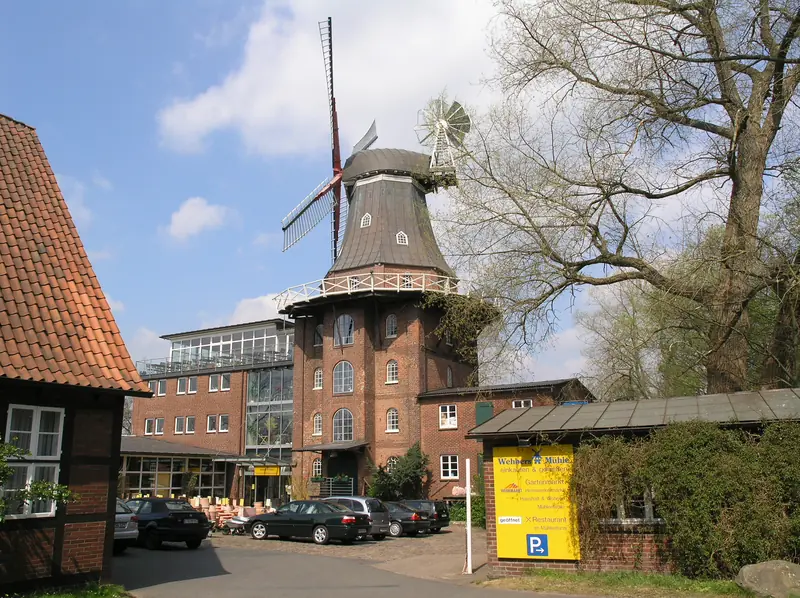
Wehbers Mühle is a historic windmill located in the Landkreis Stade region of Germany, representing a significant part of the country’s industrial heritage. This windmill is not only an iconic structure but also a symbol of the traditional craftsmanship and engineering prowess that characterized windmill construction in the past. Visitors to Wehbers Mühle can expect a fascinating glimpse into the workings of a windmill that played a crucial role in the agricultural landscape of the area.
Situated within the lush landscapes of northern Germany, Wehbers Mühle serves as a reminder of the importance of wind power in the past. These structures were essential for grinding grain, and their design reflects the ingenuity of the time. Whether you are a history enthusiast, architecture lover, or simply curious about traditional industrial practices, a visit to Wehbers Mühle offers an enriching experience. It’s an opportunity to connect with the past while appreciating the beauty of German heritage.
History and Significance
The history of Wehbers Mühle embodies the evolution of wind energy utilization in Germany. Windmills like Wehbers Mühle were pivotal in agricultural communities, serving as the primary means for milling grain into flour. This windmill reflects a time when wind power was one of the few energy sources available to rural populations, underscoring the agricultural economy of the region.
Windmills have been integral to German cultural heritage, particularly in the northern regions where the geography favored wind energy. These structures not only fulfilled practical purposes but also became landmarks in their communities, often associated with local festivals and traditions. As industries evolved and technology advanced, many windmills fell into disuse, making those that remain, like Wehbers Mühle, important for understanding the historical landscape of industrial practices.
The conservation of Wehbers Mühle highlights the significance of preserving industrial heritage. It serves educational purposes, providing insights into the mechanics of wind energy and its applications in daily life. The windmill stands as a cultural icon, symbolizing the resilience and ingenuity of past generations.
Architecture and Features
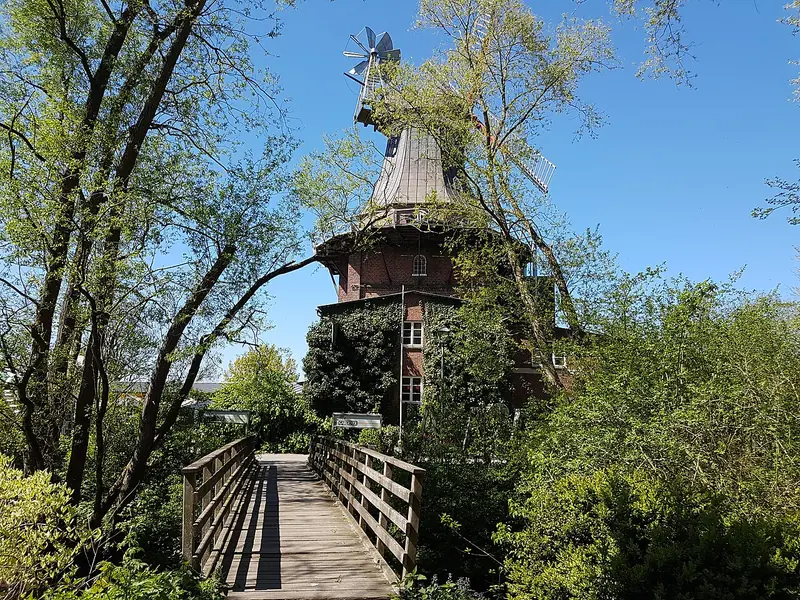
Wehbers Mühle exhibits the classic features of traditional German windmills. The structure showcases a robust design, characterized by its tall, wooden frame and large sails, which were once driven by the wind to turn the millstone inside. The construction reflects the architectural styles typical of windmills in Germany, with a focus on functionality and durability.
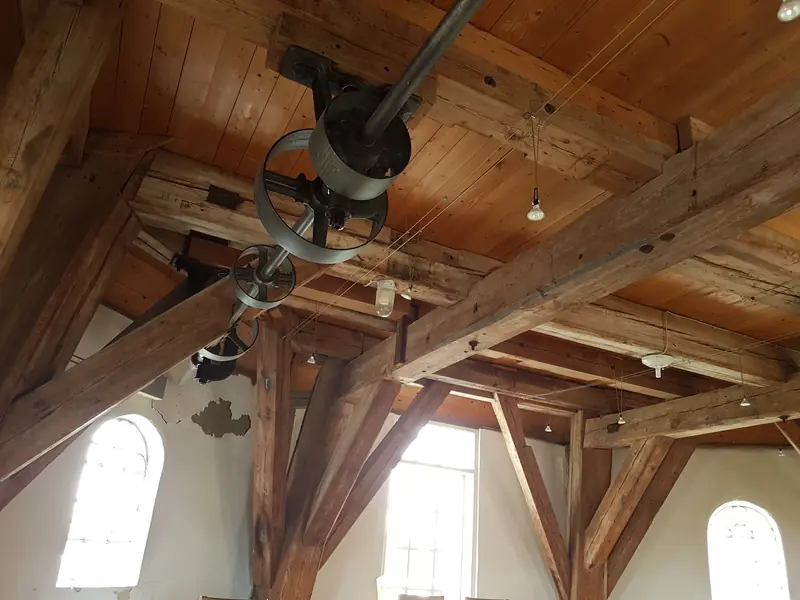
The windmill is designed to harness wind energy efficiently. The sails, or blades, are strategically positioned to catch the wind, and the internal mechanisms are ingeniously crafted to convert this energy into mechanical power for milling grains. Inside, visitors can often observe the milling equipment, which may include the large stones used for grinding. The craftsmanship involved in both the exterior and interior elements of Wehbers Mühle showcases the skilled labor that went into building such structures.
While specific architectural details are not provided, one can expect to find traditional elements common to windmills of this era, such as a cap that can be rotated to face the wind and a sturdy base designed to withstand the elements. The overall aesthetic of Wehbers Mühle adds to its charm and historical significance, inviting visitors to appreciate the ingenuity of earlier engineering solutions.
Visiting Information
Visiting Wehbers Mühle offers an engaging experience for those interested in history and industrial heritage. To reach the windmill, travelers can utilize various transport options, including local public transport services and private vehicles. The coordinates for Wehbers Mühle are 53.61536, 9.30167, which can be used for navigation purposes.
Visitors should check the official website for current information regarding opening hours and admission prices, as these may vary seasonally. It is advisable to allocate a few hours to fully explore the site and engage with any available exhibits. The best times to visit typically align with favorable weather conditions, allowing for a more enjoyable experience.
Upon arrival, guests can expect to find informative displays that explain the workings and history of the windmill. Guided tours may be available, enriching the visit with detailed narratives and insights. The atmosphere around Wehbers Mühle is generally serene, making it an excellent spot for leisurely exploration and learning.
Nearby Attractions
While in the vicinity of Wehbers Mühle, visitors have the opportunity to explore several nearby attractions that complement the historical experience:
- Stade Old Town: This charming town features well-preserved medieval architecture and offers a glimpse into the region’s past.
- Buxtehude: Known for its picturesque old town and the famous Buxtehude Garden, this area is a great place for a leisurely stroll.
- The Elbe River: Enjoy scenic views and recreational activities along one of Germany’s major rivers, which runs not far from the windmill.
- Kulturwerkstatt Buxtehude: A cultural hub that often hosts exhibitions and events related to local history and arts.
- Nature Reserves: The surrounding landscape includes nature reserves that offer opportunities for hiking and enjoying the natural environment.
Insider Tips
For those planning a visit to Wehbers Mühle, here are some insider tips to enhance your experience:
- Photography: The windmill and its surroundings present excellent opportunities for photography, especially during golden hour. Early morning or late afternoon light can create stunning images.
- Avoiding Crowds: To enjoy a quieter experience, consider visiting on weekdays rather than weekends, when local visitors might flock to the site.
- Engage with Staff: If available, take the time to speak with staff or guides who can provide deeper insights into the windmill’s history and operations.
Practical Information
When preparing for your visit to Wehbers Mühle, consider the following practical information:
- What to Bring: Comfortable walking shoes are recommended, as the exploration may involve some walking. Don’t forget to bring a camera to capture the unique sights.
- Seasonal Considerations: Weather can vary significantly, so dress accordingly. Layers are advisable, especially during cooler months, as the wind can be brisk near the mill.
- Refreshments: Check for nearby cafes or picnic spots if you plan to spend an extended period at the site.
Frequently Asked Questions
How long should I spend visiting?
It’s advisable to spend at least a couple of hours at Wehbers Mühle to allow time for exploration and any available tours.
Is photography allowed?
Photography is generally allowed, but it’s best to check for any specific restrictions during your visit.
Are there guided tours?
Guided tours may be available, providing deeper insights into the history and mechanics of the windmill.
What’s the best time to visit?
The best time to visit typically aligns with favorable weather conditions, so consider spring or early autumn for a pleasant experience.
Is it wheelchair accessible?
Check the official website for information on accessibility options, as this may vary.
Can I buy tickets online?
For ticketing information, including whether online purchases are available, please check the official website.
Are there restrooms and cafes?
Facilities may vary; check the official website for information on amenities available on-site.
What should I wear?
Dress comfortably and appropriately for the weather, considering the possibility of wind near the windmill.
Photo Gallery