
Water Management System of Augsburg
Overview
The Water Management System of Augsburg stands as a remarkable achievement of engineering, demonstrating innovative approaches to water resource management that date back centuries. Located in the city of Augsburg, Germany, this World Heritage site encompasses a group of structures and buildings that collectively illustrate the historical significance and advanced techniques used in water management. Augsburg, one of Germany’s oldest cities, has long been recognized for its strategic waterway networks, making it a vital hub for trade and transportation.
Visitors to the Water Management System can expect to gain insight into the historical context of Augsburg’s waterworks, which played a crucial role in the city’s development. The site not only highlights the technical prowess of past generations but also emphasizes the importance of water in urban life, showcasing how communities have adapted to their environments over time. From its intricate system of canals and fountains to its impressive buildings, the Water Management System of Augsburg invites exploration and appreciation of an essential aspect of the city’s heritage.
History and Significance
The Water Management System of Augsburg is deeply intertwined with the city’s history, reflecting its evolution as a center of commerce, culture, and innovation. The system’s roots can be traced back to medieval times, when Augsburg’s growing population necessitated effective water management strategies to ensure a reliable supply of fresh water for drinking, agriculture, and industry. The city’s location on the banks of the Lech River provided an initial advantage, but as the urban landscape expanded, so did the need for a more complex water management system.
Throughout the centuries, Augsburg has been at the forefront of hydraulic engineering, developing a sophisticated network of canals and reservoirs that facilitated both domestic and industrial water use. This network was not only functional but also aesthetically pleasing, with ornate fountains and decorative water features becoming integral to the city’s public spaces. The system’s design reflects a harmonious blend of utility and artistry, showcasing the ingenuity of its creators.
The significance of the Water Management System extends beyond its engineering accomplishments; it embodies the cultural and social dynamics of Augsburg’s past. The availability of water influenced trade and industry, contributing to the city’s prosperity. Moreover, the system served as a source of pride for the citizens of Augsburg, who recognized its importance in their daily lives. As a World Heritage site, the Water Management System of Augsburg is celebrated for its role in shaping both the physical and cultural landscape of the region.
Architecture and Features
The Water Management System of Augsburg is characterized by a diverse array of structures that illustrate the evolution of water management technology over time. The site includes canals, fountains, and storage tanks, each serving a specific function within the broader system. The architecture reflects not only practical considerations but also the artistic sensibilities of the various periods in which these structures were built.
One of the most notable features of the system is the extensive network of canals that crisscross the city. These waterways were meticulously designed to facilitate the flow of water, providing essential resources to both households and industries. The canals are often lined with buildings that showcase the architectural styles of different eras, creating a visually striking urban landscape.
Fountains are another significant element of the Water Management System. Many of these features are adorned with intricate sculptures and decorative motifs that reflect the artistic trends of their time. The fountains not only served practical purposes, such as providing drinking water, but also acted as public gathering spaces, enhancing the social fabric of the city.
In addition to the canals and fountains, the system includes a number of historic buildings that housed machinery and equipment used in water management. These structures are valuable for their historical significance, offering insight into the technological advancements that have shaped the city’s water supply over the years. Collectively, these elements create a cohesive narrative of Augsburg’s relationship with water, highlighting its importance in both practical and cultural contexts.
Visiting Information
Visiting the Water Management System of Augsburg offers a unique opportunity to explore a significant part of the city’s heritage. The site is accessible via various modes of transportation, including public transit and walking, given its central location in Augsburg. Visitors can expect to spend a few hours wandering through the canals and admiring the fountains, with each stop providing a glimpse into the historical and architectural significance of the area.
To ensure a fulfilling visit, it is advisable to check the official website for current information regarding hours of operation and any potential ticketing requirements. While exploring, take the time to engage with informational placards that provide context and insights into the various structures and their functions. The best times to visit are during the spring and summer months when the weather is pleasant, and the water features are at their most vibrant.
Visitors should anticipate a leisurely pace, allowing for ample time to appreciate the intricate details of the architecture and the historical narratives associated with each element of the system. Plan for a visit that combines both exploration and reflection, immersing yourself in the unique atmosphere of Augsburg’s water management heritage.
Nearby Attractions
Augsburg is home to a wealth of attractions that complement a visit to the Water Management System. Here are a few noteworthy sites to consider:
Augsburg Cathedral: This stunning Gothic cathedral is a short distance from the water system, featuring beautiful stained-glass windows and intricate architectural details.
Fugger Museum and Fuggerei: Explore the history of the Fugger family, one of the wealthiest merchant families in Europe, and visit the Fuggerei, the world’s oldest social housing complex still in use.
Augsburg Town Hall: This Renaissance building is known for its magnificent Golden Hall and offers guided tours that delve into the city’s political history.
Perlach Tower: Climb this historic tower for panoramic views of Augsburg’s skyline and a chance to appreciate the city’s layout from above.
Schaezlerpalais: A remarkable example of Baroque architecture, this palace houses an art museum and beautiful gardens, perfect for a leisurely stroll.
Insider Tips
When visiting the Water Management System of Augsburg, keep these insider tips in mind for a more enjoyable experience:
Photography: The canals, fountains, and historic buildings offer incredible photo opportunities. Early morning or late afternoon light can enhance your photographs, creating softer shadows and more vibrant colors.
Crowd Avoidance: To experience the site with fewer visitors, aim to visit on weekdays or during off-peak hours. Early mornings are typically quieter, allowing for a more peaceful exploration.
Engage with Local Guides: Consider joining a local guided tour to gain in-depth knowledge about the water management system and its historical context. Guides often share stories and insights that enrich your understanding.
Practical Information
To make the most of your visit to the Water Management System of Augsburg, consider the following practical information:
What to Bring: Comfortable walking shoes are essential, as exploring the canals and structures involves a fair amount of walking. A camera is also recommended for capturing the site’s beauty.
Seasonal Considerations: If visiting during colder months, dress in layers to ensure comfort while outdoors. In warmer months, sunscreen and water are advisable to stay hydrated.
Accessibility: While many areas are accessible, some sections may present challenges for those with mobility concerns. It is advisable to check the official website for specific accessibility information.
Frequently Asked Questions
How long should I spend visiting?
A visit typically lasts between two to four hours, allowing ample time to explore the canals, fountains, and nearby attractions.
Is photography allowed?
Yes, photography is permitted throughout the site, making it a great opportunity to capture the unique architecture and scenic water features.
Are there guided tours?
Guided tours are available and can enhance your understanding of the Water Management System’s historical and cultural significance.
What’s the best time to visit?
The best times to visit are during the spring and summer months when the weather is pleasant, and the water features are at their most vibrant.
Is it wheelchair accessible?
Some areas of the Water Management System may be challenging for wheelchair users. It is recommended to check the official website for specific accessibility details.
Can I buy tickets online?
Check the official website for information regarding ticket purchases and any potential online options.
Are there restrooms and cafes?
Facilities such as restrooms and cafes are available nearby, providing convenient amenities for visitors.
What should I wear?
Comfortable clothing and walking shoes are recommended, especially if you plan to explore the area extensively.
Visiting the Water Management System of Augsburg offers a captivating journey through history, engineering, and the cultural significance of water in urban life.
More in Bavaria

8. November 1939 (Denkmal)
📍 Bavaria, Germany
The 8. November 1939 (Denkmal) stands as a poignant monument in Munich, Germany, marking a significant moment in the nation’s history. Dedicated to …

Abbey of St. Nikola in Passau
📍 Bavaria, Germany
The Abbey of St. Nikola in Passau stands as a significant religious and cultural landmark in this historic German city. Located at coordinates …

Abensbergerdenkmal
📍 Bavaria, Germany
The Abensbergerdenkmal, a notable monument located in Freising, Upper Bavaria, Germany, serves as an evocative reminder of the region’s historical and …
Abrechen (München)
📍 Bavaria, Germany
Abrechen in München is a bridge that plays a significant role in the connectivity of this bustling German city. Located at coordinates 48.1357, …
Abschnittsbefestigung Andechs
📍 Bavaria, Germany
The Abschnittsbefestigung Andechs, a striking castle located in the scenic region of Andechs, Germany, offers a fascinating glimpse into the …
Abschnittsbefestigung im Taitinger Holz
📍 Bavaria, Germany
The Abschnittsbefestigung im Taitinger Holz represents an intriguing chapter in Germany’s medieval architectural narrative. Located in Bavaria, this …
More Group Of Structures Or Buildings

Bauhaus and its Sites in Weimar, Dessau and Bernau
📍 Saxony-Anhalt, Germany
The Bauhaus and its Sites in Weimar, Dessau, and Bernau represent a revolutionary chapter in the history of architecture and design. This UNESCO World …

Collegiate Church, Castle, and Old Town of Quedlinburg
📍 Lower Saxony, Germany
The Collegiate Church, Castle, and Old Town of Quedlinburg represent an extraordinary blend of medieval architecture and rich cultural heritage, …
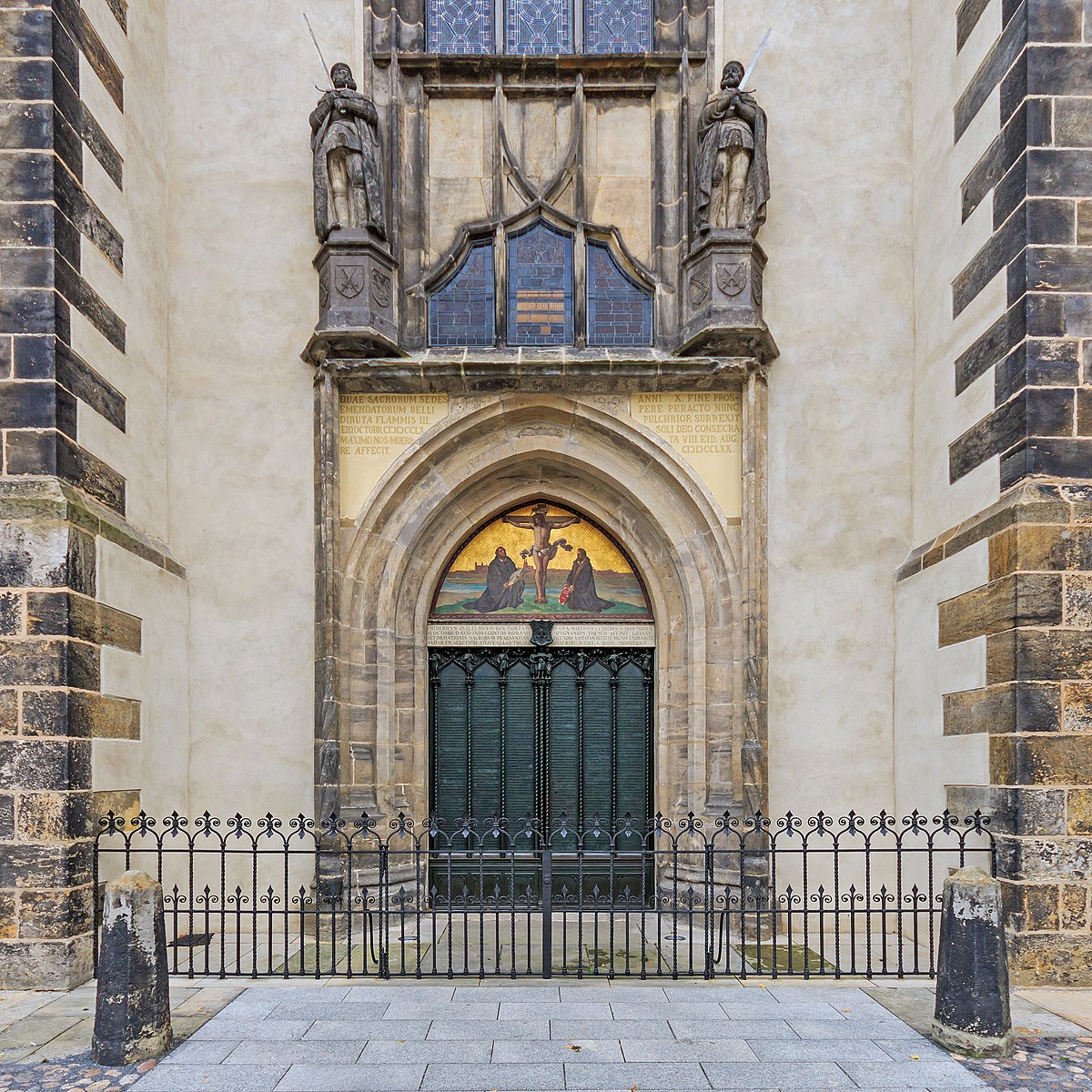
Luther Memorials in Eisleben and Wittenberg
📍 Brandenburg, Germany
The Luther Memorials in Eisleben and Wittenberg represent a critical chapter in the history of Christianity and Western thought. Located in the heart …

The Architectural Work of Le Corbusier
📍 Germany
The Architectural Work of Le Corbusier is a remarkable collection that spans seven countries, showcasing the innovative genius of one of the 20th …

The Palaces of King Ludwig II of Bavaria: Neuschwanstein, Linderhof, Schachen and Herrenchiemsee
📍 Bavaria, Germany
The Palaces of King Ludwig II of Bavaria represent the pinnacle of 19th-century Romantic architecture and are a significant cultural landmark in …