
Waggonfabrik Gebrüder Gastell
Overview
Waggonfabrik Gebrüder Gastell stands as a significant historical site in the heart of Rhineland-Palatinate, Germany, known for its legacy as a manufacturer of rolling stock. This factory played a pivotal role in the development of the railway industry within the region, contributing not only to local economies but also to the broader narrative of transportation in Germany. Visitors to this site will uncover layers of industrial heritage that reflect the evolution of rail technology and its impact on society.
Situated at the coordinates 50.0161, 8.23417, Waggonfabrik Gebrüder Gastell is easily accessible, making it a worthwhile stop for those interested in industrial history. As you explore this site, you will not only gain insights into the workings of a factory but also appreciate the craftsmanship and engineering that defined an era in German manufacturing. The factory’s significance extends beyond its operational years, serving as a reminder of the technological advancements that shaped modern transportation.
History and Significance
The history of Waggonfabrik Gebrüder Gastell is intertwined with the evolution of the railway system in Germany. Established as a factory dedicated to the production of rolling stock, it contributed to the burgeoning railway networks that emerged in the 19th and 20th centuries. The factory’s output, which included various types of railway carriages, helped meet the growing demand for efficient transportation solutions during a time of industrial expansion in Germany.
The factory not only symbolized technological progress but also served as a vital employment hub for local communities. As railway networks expanded across Europe, the demand for reliable and innovative rolling stock surged, and factories like Gebrüder Gastell were at the forefront of this movement. The site played a crucial role in fostering local industry and supporting the economic landscape of the region.
Culturally, Waggonfabrik Gebrüder Gastell represents the spirit of innovation that characterized the industrial revolution in Germany. It stands as a reminder of how industrial advancements have shaped societal progress. The legacy of this factory endures, influencing contemporary perspectives on transportation and manufacturing.
Architecture and Features
Waggonfabrik Gebrüder Gastell showcases industrial architecture reflective of its historical context. The factory structure is characterized by utilitarian design, with functional elements that prioritize efficiency and practicality in manufacturing processes. The layout of the facility likely includes expansive workshop areas and production lines, designed to facilitate the assembly of rolling stock.
While specific architectural details may not be extensively documented, the factory’s overall design would have incorporated large windows to maximize natural light—an essential feature in industrial buildings of its time. Such elements not only enhance the working environment but also speak to the architectural practices prevalent during the period of its operation.
Visitors can expect to see remnants of machinery and manufacturing tools that were once integral to the production of railway vehicles. These features provide a tangible connection to the past and offer insights into the operational dynamics of a factory dedicated to rolling stock manufacturing.
Visiting Information
Waggonfabrik Gebrüder Gastell is accessible via various modes of transportation, making it a convenient destination for those traveling within Rhineland-Palatinate. Visitors should check the official website for current information regarding hours of operation and any potential admission fees.
When planning your visit, it is advisable to allocate sufficient time to fully explore the site and absorb its historical significance. Depending on your level of interest in industrial history, a visit may take between one to two hours.
The best times to visit are typically during weekdays, as weekends may draw larger crowds. This can enhance your experience, allowing for a more immersive exploration of the factory’s heritage.
Nearby Attractions
Deutsches Eck: Located in Koblenz, this famous landmark is where the Moselle River meets the Rhine, known for its impressive equestrian statue of Emperor William I.
Fortress Ehrenbreitstein: Also in Koblenz, this historic fortress offers panoramic views of the confluence of the rivers and has a rich history dating back to the 11th century.
The Rhine Valley: A UNESCO World Heritage site, this picturesque area is renowned for its stunning landscapes, vineyards, and charming towns dotted along the river.
Lahnstein: A quaint town nearby, offering beautiful views of the Rhine and an array of historical sites, including the ruins of the Alte Burg.
Bonn: A short drive away, Bonn is the birthplace of Beethoven and features numerous museums and cultural attractions worth exploring.
Insider Tips
For those interested in photography, the factory’s exterior offers intriguing angles that capture its industrial essence. Early morning or late afternoon light can enhance your shots. To avoid crowds, consider visiting during weekdays, especially in the morning hours. This will allow for a more peaceful experience as you explore the site.
Practical Information
When visiting Waggonfabrik Gebrüder Gastell, it is advisable to wear comfortable shoes, as you will likely be walking on uneven surfaces typical of industrial sites. Depending on the season, dress in layers to accommodate changing temperatures, particularly if you plan to spend time outdoors.
Consider bringing water and snacks, especially if you plan to explore the nearby attractions afterward. It’s also prudent to check the weather forecast before your visit, as conditions can vary throughout the year.
Frequently Asked Questions
How long should I spend visiting?
A visit typically takes between one to two hours, depending on your interest in the industrial history of the site.
Is photography allowed?
Photography is generally permitted, especially of the exterior and any visible features of the factory.
Are there guided tours?
Check the official website for information regarding guided tours, as they may be available at certain times.
What’s the best time to visit?
Weekdays, particularly in the morning, are ideal for avoiding crowds and enjoying a more in-depth experience.
Is it wheelchair accessible?
Accessibility details may vary; check the official website for the most accurate information.
Can I buy tickets online?
For ticketing information, including the possibility of purchasing tickets online, please consult the official website.
Are there restrooms and cafes?
Facilities such as restrooms and cafes may not be confirmed; check the official website for details.
What should I wear?
Comfortable clothing and shoes are recommended, as well as layers to adapt to changing weather conditions.
In summary, Waggonfabrik Gebrüder Gastell serves as an important site for those interested in the industrial heritage of Germany. With its historical significance and architectural features, it offers a unique glimpse into the world of railway manufacturing and its impact on society.
More in Hesse

Abri IX
📍 Hesse, Germany
Abri IX is an archaeological site located in Gleichen, Germany, that captures the essence of human history through its fascinating remnants. This site …

Ackerbürgermuseum Haus Leck
📍 Hesse, Germany
Ackerbürgermuseum Haus Leck is a culturally significant museum located in Germany’s Grebenstein region, dedicated to preserving and showcasing the …

Actien-Brauerei Homburg v. d. Höhe
📍 Hesse, Germany
Actien-Brauerei Homburg v. d. Höhe is a significant historical brewery located in Bad Homburg vor der Höhe, Germany. This former brewery is a …

Active Museum Spiegelgasse
📍 Hesse, Germany
Active Museum Spiegelgasse is a vital institution dedicated to preserving and exploring the German-Jewish history of Wiesbaden, Germany. Located in …

Adornodenkmal
📍 Hesse, Germany
Adornodenkmal, a prominent monument located in Frankfurt am Main, Germany, serves as a significant cultural landmark that encapsulates the spirit of …
Affentor
📍 Hesse, Germany
Affentor, the southernmost of the medieval city gates of Frankfurt am Main, serves as a historical marker of the city’s rich past and architectural …
More Factories
A. Heucke
📍 Lower Saxony, Germany
A. Heucke, located in the historic town of Gatersleben in Germany’s Seeland region, represents a significant chapter in the story of industrial …
Adam Opel AG Werk Bochum I
📍 Lower Saxony, Germany
The Adam Opel AG Werk Bochum I, located in Germany, represents a significant chapter in the history of industrial production. This former production …
Adam Opel AG Werke Bochum II/III
📍 Lower Saxony, Germany
Adam Opel AG Werke Bochum II/III is a distinguished factory located in Germany, playing a significant role in the automotive industry. This site is …
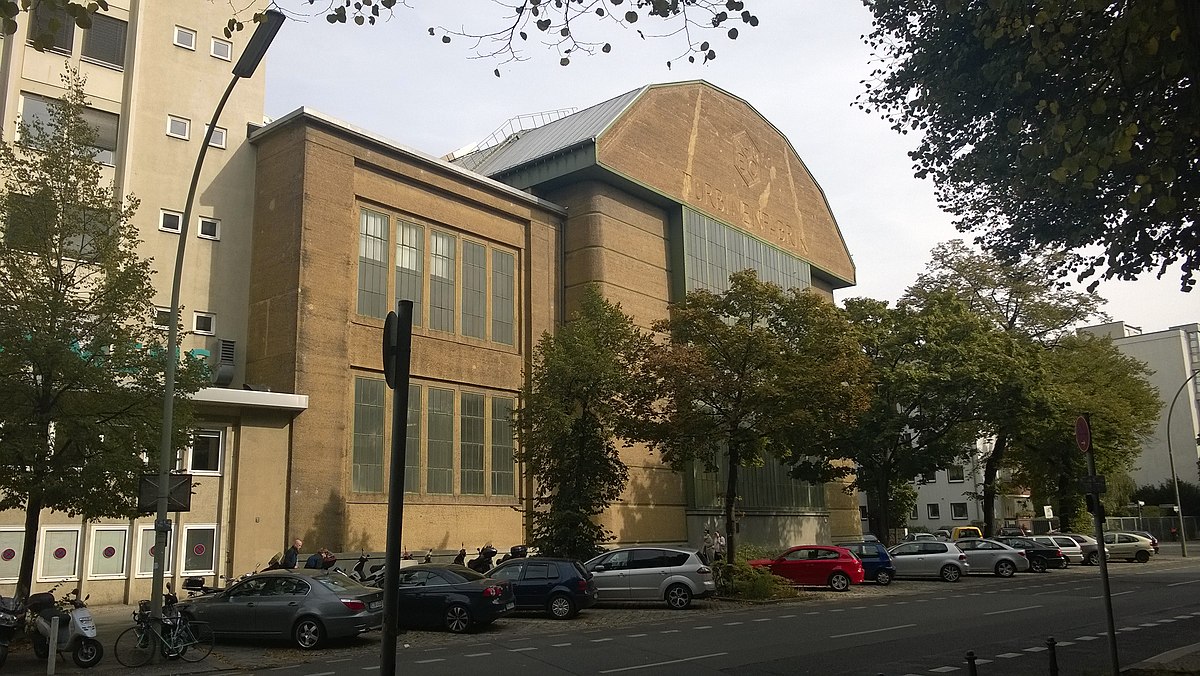
AEG's Turbine factory
📍 Berlin, Germany
The AEG Turbine Factory, an iconic structure in Berlin’s Bezirk Mitte, is a significant landmark that reflects the industrial heritage of the city. …
AKA-Radiergummifabrik
📍 Lower Saxony, Germany
The AKA-Radiergummifabrik, a significant former factory located in Hannover, Germany, offers a unique glimpse into the industrial past of the region. …

Alte Malzfabrik
📍 Lower Saxony, Germany
Alte Malzfabrik, located in Mülheim an der Ruhr, Germany, is an intriguing factory site that encapsulates the industrial heritage of the region. This …