
Waggonfabrik Fuchs
Overview
Waggonfabrik Fuchs, located in the heart of Heidelberg, Germany, is a significant site that captures the essence of Germany’s industrial heritage. As a former factory specializing in the construction of coaches and wagons, it stands as a symbol of the region’s contributions to transportation and manufacturing. The factory’s legacy not only reflects the evolution of engineering and craftsmanship but also showcases the rich history of industrialization in Germany. Visitors to this site will find themselves immersed in a narrative of innovation and tradition, making it a worthwhile destination for those interested in the intersection of industry and heritage.
Heidelberg itself is renowned for its picturesque landscapes and historic architecture, nestled along the banks of the Neckar River. This vibrant city is often celebrated for its university and cultural offerings, yet the industrial remnants like Waggonfabrik Fuchs provide a contrasting glimpse into the past. The factory serves as a reminder of a time when craftsmanship was paramount, and it represents an essential chapter in the development of transportation technologies.
Exploring Waggonfabrik Fuchs not only enriches one’s understanding of industrial history but also invites reflection on the broader implications of technological progress. As visitors navigate through its storied walls, they will uncover the enduring legacy of the factory and its significance in shaping both local and regional identities.
History and Significance
Waggonfabrik Fuchs has its roots in the industrial revolution, a period marked by rapid advancements and transformations in manufacturing practices across Europe. The factory was established as a center for coach and wagon building, which was crucial for the development of transportation infrastructure. As railways expanded and the demand for efficient transport grew, Waggonfabrik Fuchs played an essential role in meeting these needs through its skilled craftsmanship and innovative designs.
The significance of Waggonfabrik Fuchs extends beyond its production capabilities; it serves as an emblem of the industrious spirit that characterized Heidelberg and its surrounding regions. The factory represents a time when skilled labor was highly valued, and artisans took pride in their work, producing vehicles that were not only functional but also crafted with a meticulous attention to detail.
Throughout its operational history, Waggonfabrik Fuchs contributed to the transportation needs of both local communities and the broader German market. With the rise of the automotive industry and changes in transportation technology, many traditional factories faced challenges; however, the legacy of Waggonfabrik Fuchs endures, reminding us of the ingenuity and adaptability of human craftsmanship. Today, it stands as a significant heritage site that invites reflection on the past and its impact on modern transportation.
Architecture and Features
The architecture of Waggonfabrik Fuchs reflects the utilitarian design typical of industrial buildings from its era. Constructed with robust materials, the factory showcases the straightforward yet functional aesthetic necessary for manufacturing environments. The structure features large open spaces that would have been conducive to the assembly of coaches and wagons, allowing for efficient workflows and easy movement of materials.
One of the notable features of Waggonfabrik Fuchs is its expansive workshop areas, which were designed to accommodate the various stages of vehicle production. High ceilings and ample lighting were essential for artisans and workers as they crafted and assembled the components of each vehicle. The design of the factory also emphasizes natural light, which would have been a crucial element in a time before modern electrical lighting became commonplace.
While the factory’s exterior may appear simple, it is a testament to the functional design principles that guided industrial architecture during its time. As visitors explore the premises, they can appreciate the practical aspects of the building, which have allowed it to withstand the test of time. The preserved elements of the factory provide insight into the manufacturing processes of the past, making it a fascinating site for those interested in industrial design and architectural history.
Visiting Information
To reach Waggonfabrik Fuchs, visitors can utilize various forms of transportation available in Heidelberg. Public transit options, including buses and trains, are convenient and provide access to the site. For those driving, parking may be available nearby, though checking the official website for current information is advisable.
Visitors can expect to spend a few hours at Waggonfabrik Fuchs to fully absorb its history and significance. Depending on the availability of guided tours or exhibitions, the time spent may vary. Engaging with the exhibits and exploring the factory’s features will provide a deeper understanding of its role in the industrial landscape.
For the best experience, consider visiting during weekdays when crowds may be lighter, allowing for a more intimate exploration of the factory’s offerings. Seasonal events or exhibitions may also take place, enhancing the visitor experience, so checking the official website for hours and prices is recommended.
Nearby Attractions
While visiting Waggonfabrik Fuchs, consider exploring these nearby attractions that contribute to the rich cultural fabric of Heidelberg:
Heidelberg Castle - A historic hilltop castle offering panoramic views of the city and surrounding landscape, it is one of Germany’s most visited castles, drawing tourists with its grandeur and history.
Philosopher’s Walk - A scenic path that provides stunning views of Heidelberg, this walking trail is steeped in history, frequented by students and philosophers alike.
Old Town (Altstadt) - A charming area filled with narrow streets, historic buildings, and lively cafes, the Old Town is perfect for leisurely strolls and immersing oneself in local culture.
Heidelberg University - One of the oldest universities in Germany, its historic campus and libraries are worth a visit for those interested in educational heritage.
Neckar River Promenade - A picturesque riverside area ideal for walks, picnics, or simply enjoying the serene atmosphere of the Neckar River.
Insider Tips
For photography enthusiasts, Waggonfabrik Fuchs offers compelling subjects for capturing the essence of industrial history. The factory’s architecture and interior spaces provide unique opportunities for creative shots. Visiting during the early morning or late afternoon can yield softer lighting conditions, enhancing your photographs.
To avoid crowds, aim to visit on weekdays, particularly in the morning. This timing often allows for a more peaceful experience, enabling you to fully appreciate the factory’s ambiance without interruptions.
Practical Information
When planning your visit to Waggonfabrik Fuchs, consider bringing comfortable walking shoes, as there may be areas to explore on foot. Depending on the season, layers may be advisable, as indoor temperatures can differ from outdoor conditions.
Check the official website for seasonal events or any temporary closures that may affect your visit. Being aware of the local climate and weather patterns can enhance your experience, ensuring that you are prepared for any conditions.
Frequently Asked Questions
How long should I spend visiting?
Visitors typically spend a few hours exploring Waggonfabrik Fuchs to fully engage with its history and offerings.
Is photography allowed?
Photography policies may vary, so it is best to check on-site for any restrictions regarding photography during your visit.
Are there guided tours?
Guided tours may be available, providing deeper insights into the factory’s history and significance. Check the official website for current offerings.
What’s the best time to visit?
Weekdays, particularly in the morning, are generally the best times to visit to avoid larger crowds.
Is it wheelchair accessible?
Accessibility options may be limited, so check the official website for detailed information regarding wheelchair access.
Can I buy tickets online?
Ticket purchasing options may vary, so be sure to check the official website for information on online ticket sales.
Are there restrooms and cafes?
Facilities may be available on-site, but it’s advisable to confirm details on the official website before your visit.
What should I wear?
Comfortable clothing and shoes are recommended, especially if you plan to explore various areas of the factory. Dress appropriately for the weather as well.
More in Baden-Württemberg

Aachtobel
📍 Baden-Württemberg, Germany
Aachtobel, located in the picturesque region of Baden-Württemberg, Germany, serves as a vital natural reserve, offering a serene escape into the …

Aalen Central station
📍 Baden-Württemberg, Germany
Aalen Central Station serves as a vital railway hub in southern Germany’s Baden-Württemberg region, connecting travelers to local and regional …

Aalkistensee
📍 Baden-Württemberg, Germany
Aalkistensee, located in the serene region of Maulbronn in Baden-Württemberg, Germany, is a tranquil lake that invites visitors into its peaceful …

Abbey and Altenmünster of Lorsch
📍 Baden-Württemberg, Germany
The Abbey and Altenmünster of Lorsch is a UNESCO World Heritage site located in the charming town of Lorsch, Germany. This significant cultural …

Abbey of Reichenau
📍 Baden-Württemberg, Germany
The Abbey of Reichenau, a significant monastery located in the serene Reichenau region of Germany, serves as a remarkable window into the religious …

Abbey of Saint Peter in the Black Forest
📍 Baden-Württemberg, Germany
The Abbey of Saint Peter in the Black Forest is a remarkable testament to monastic tradition, offering visitors a direct encounter with the serene …
More Factories
A. Heucke
📍 Lower Saxony, Germany
A. Heucke, located in the historic town of Gatersleben in Germany’s Seeland region, represents a significant chapter in the story of industrial …
Adam Opel AG Werk Bochum I
📍 Lower Saxony, Germany
The Adam Opel AG Werk Bochum I, located in Germany, represents a significant chapter in the history of industrial production. This former production …
Adam Opel AG Werke Bochum II/III
📍 Lower Saxony, Germany
Adam Opel AG Werke Bochum II/III is a distinguished factory located in Germany, playing a significant role in the automotive industry. This site is …
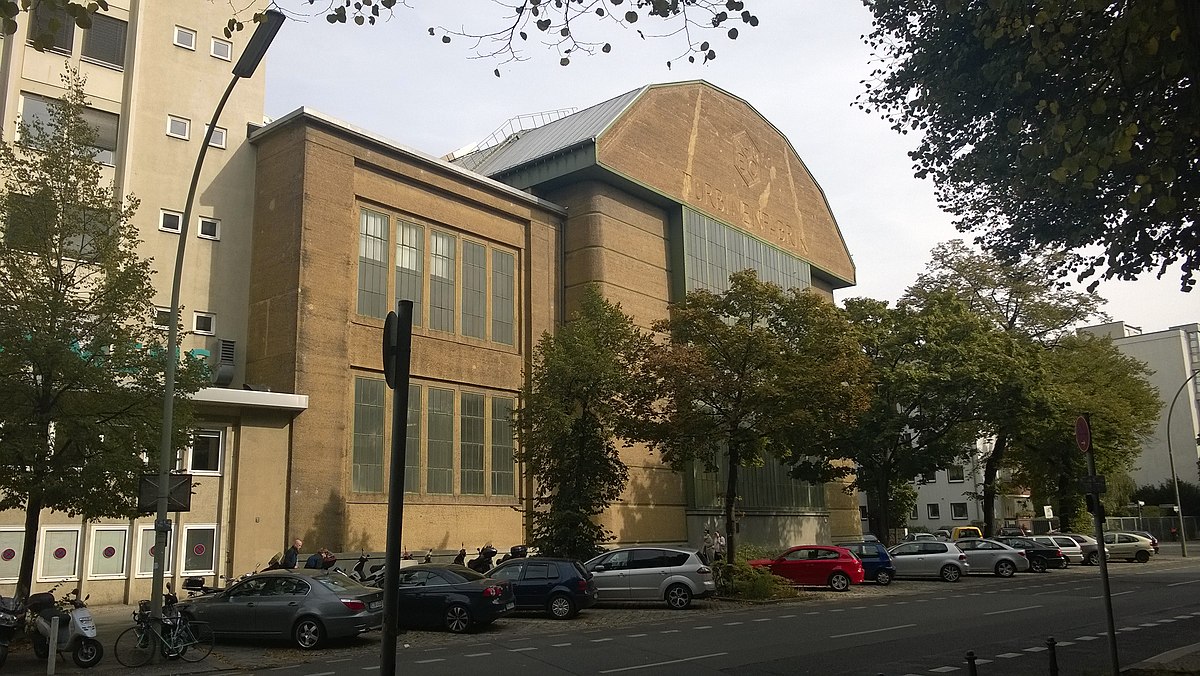
AEG's Turbine factory
📍 Berlin, Germany
The AEG Turbine Factory, an iconic structure in Berlin’s Bezirk Mitte, is a significant landmark that reflects the industrial heritage of the city. …
AKA-Radiergummifabrik
📍 Lower Saxony, Germany
The AKA-Radiergummifabrik, a significant former factory located in Hannover, Germany, offers a unique glimpse into the industrial past of the region. …

Alte Malzfabrik
📍 Lower Saxony, Germany
Alte Malzfabrik, located in Mülheim an der Ruhr, Germany, is an intriguing factory site that encapsulates the industrial heritage of the region. This …