Overview
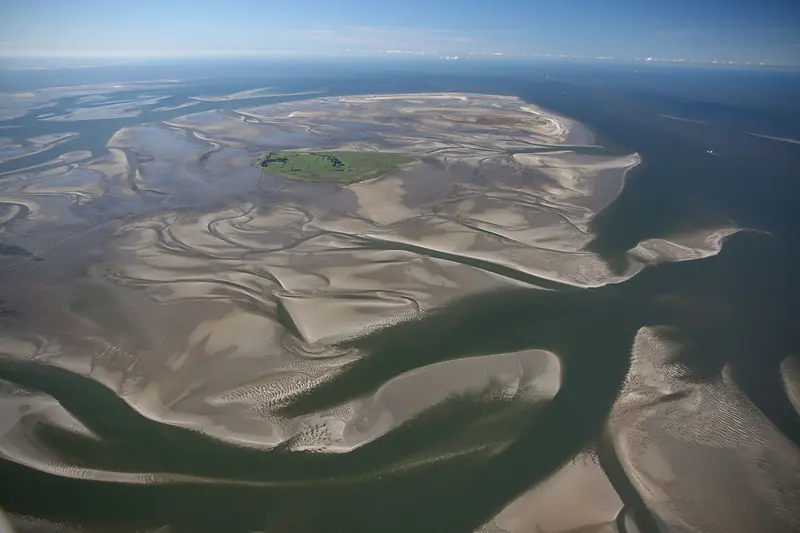
The Waddensea of Hamburg Biosphere Reserve represents a unique confluence of natural beauty and ecological significance, stretching along the northern coast of Germany. This UNESCO Biosphere Reserve serves as a sanctuary for a rich diversity of wildlife, particularly migratory birds and marine life. The landscape features dynamic tidal flats, salt marshes, and an intricate network of islands and estuaries, all of which contribute to its ecological importance.
As you explore the reserve, you’ll discover not just a stunning natural environment but also the stories of the ecosystems that thrive within it. The intertidal zones are teeming with life, while the surrounding areas provide habitats for numerous species, making it a critical site for biodiversity. The Waddensea is not merely a place to visit; it’s an opportunity to engage with nature and understand the delicate balance that sustains these ecosystems.
Visitors to the Waddensea of Hamburg Biosphere Reserve can expect to immerse themselves in a world of natural wonders, offering a sensory experience unlike any other. The reserve stands as a reminder of the importance of conservation and sustainable practices in preserving our planet’s precious resources.
History and Significance
The Waddensea of Hamburg Biosphere Reserve has evolved over centuries, shaped by natural forces and human activities. This area has long been recognized for its ecological value, serving as a crucial breeding and feeding ground for various bird species as well as supporting numerous marine ecosystems. Its designation as a biosphere reserve underscores its role in promoting research and education about sustainable development and biodiversity.
Historically, the Waddensea has been influenced by agricultural practices and coastal management, which have transformed the landscape. Traditional methods of fishing and farming have coexisted with the natural environment, highlighting the cultural significance of the area. The relationship between the local population and the Waddensea has fostered a community that values both its heritage and the protection of its natural resources.
The reserve serves as a model for conservation efforts, providing a framework for balancing ecological needs with human activities. Its recognition as a UNESCO Biosphere Reserve emphasizes its importance not just locally, but globally, as a site of natural heritage that contributes to our understanding of environmental stewardship.
Architecture and Features
While the Waddensea of Hamburg Biosphere Reserve is primarily a natural site, the landscape is characterized by its distinctive features that highlight the interplay between land and sea. The tidal flats, which are exposed during low tide, create a unique environment that supports a variety of flora and fauna. The salt marshes are particularly notable, providing critical habitats for bird species and other wildlife.
The reserve’s geography includes a mixture of sandy islands and mudflats, forming a visually striking contrast against the blue waters of the North Sea. The area is visually distinctive, showcasing the natural erosion patterns and sediment deposition that have occurred over time. The colors of the landscape shift with the tides, offering a constantly changing vista that invites exploration and reflection.
Visitors can look for the myriad of bird species that inhabit the area, especially during migration seasons when flocks of birds fill the skies. The serene beauty of the Waddensea, combined with its ecological richness, makes it a captivating destination for nature lovers and outdoor enthusiasts.
Visiting Information
Getting to the Waddensea of Hamburg Biosphere Reserve is relatively straightforward, with various transport options available. Visitors can access the reserve through public transportation or by car, with ample parking in the surrounding areas.
Check the official website for current opening hours and admission prices. Expect to spend 1-2 hours exploring the reserve, depending on your interests in wildlife observation and photography. The best times to visit are early in the morning or during the spring and fall seasons, when the weather is typically mild and the wildlife is most active.
Accessibility can vary, so it’s advisable to check if specific areas are wheelchair-friendly if that is a concern for your visit. The reserve is equipped to offer a fulfilling experience for all visitors, whether you are an avid birdwatcher or simply looking to appreciate the beauty of nature.
Nearby Attractions
While visiting the Waddensea of Hamburg Biosphere Reserve, consider exploring these nearby attractions to enhance your experience:
Coastal Hiking Trails: The region offers a network of hiking trails that provide opportunities to explore the diverse ecosystems and enjoy scenic views of the coast.
Local Fishing Villages: Discover charming fishing communities that reflect the maritime culture of the area. Enjoy fresh seafood and learn about traditional fishing practices.
Birdwatching Stations: Several designated spots around the reserve are perfect for birdwatching, allowing you to observe the rich avian life in their natural habitats.
Educational Centers: Look for local centers that provide insights into the ecosystems of the Waddensea and the importance of conservation efforts in the region.
Nearby Nature Reserves: Visit adjacent nature reserves that complement the Waddensea, offering additional opportunities for wildlife observation and outdoor activities.
Insider Tips
To capture the best photographs of the Waddensea, aim for early morning or late afternoon when the light is soft. Look for unique perspectives along the tidal flats where the water meets the land.
As you explore, pay attention to the subtle changes in the landscape, such as the patterns left by the tides and the diverse plant life in the salt marshes. These details can enhance your appreciation of the area’s natural beauty.
To avoid crowds, consider visiting during weekdays or during the shoulder seasons of late spring or early fall. This will allow for a more peaceful experience as you immerse yourself in the environment.
Lastly, engaging with local guides or conservationists can provide deeper insights into the ecological significance of the Waddensea, enriching your visit with stories and knowledge about the area.
Practical Information
When planning your visit to the Waddensea of Hamburg Biosphere Reserve, consider bringing essential items such as comfortable walking shoes, binoculars for wildlife watching, and a camera to capture the stunning scenery.
Seasonal considerations include dressing in layers, as weather conditions can change rapidly in coastal areas. Rain gear may be useful, especially during spring and fall.
For a fulfilling experience, allocate enough time to explore the reserve’s various features, and don’t forget to check the official website for current information regarding hours and any special events.
Frequently Asked Questions
How long should I spend visiting?
You should plan to spend about 1-2 hours exploring the Waddensea of Hamburg Biosphere Reserve, depending on your interests in wildlife observation and photography.
Is photography allowed inside?
Yes, photography is allowed in the Waddensea of Hamburg Biosphere Reserve. Be mindful of wildlife and natural habitats when taking pictures.
Are there guided tours available?
Information about guided tours may vary, so it’s best to check the official website for current offerings and details.
What’s the best time of day to visit?
Early morning or late afternoon is ideal for visiting, as these times offer the best light for photography and increased chances of wildlife activity.
Is the site wheelchair accessible?
Accessibility may vary depending on specific areas within the reserve. It’s advisable to check with the official website for the latest information regarding wheelchair access.
Can I buy tickets online?
Visit the official website for current admission prices and any options for online ticket purchases.
Are there facilities like restrooms and cafes?
Facilities may be limited, so it’s recommended to check the official website for information regarding restrooms and dining options in the area.
What should I wear when visiting?
Wear comfortable, weather-appropriate clothing and sturdy footwear suitable for walking on uneven terrain. Consider layers to adjust to changing conditions.