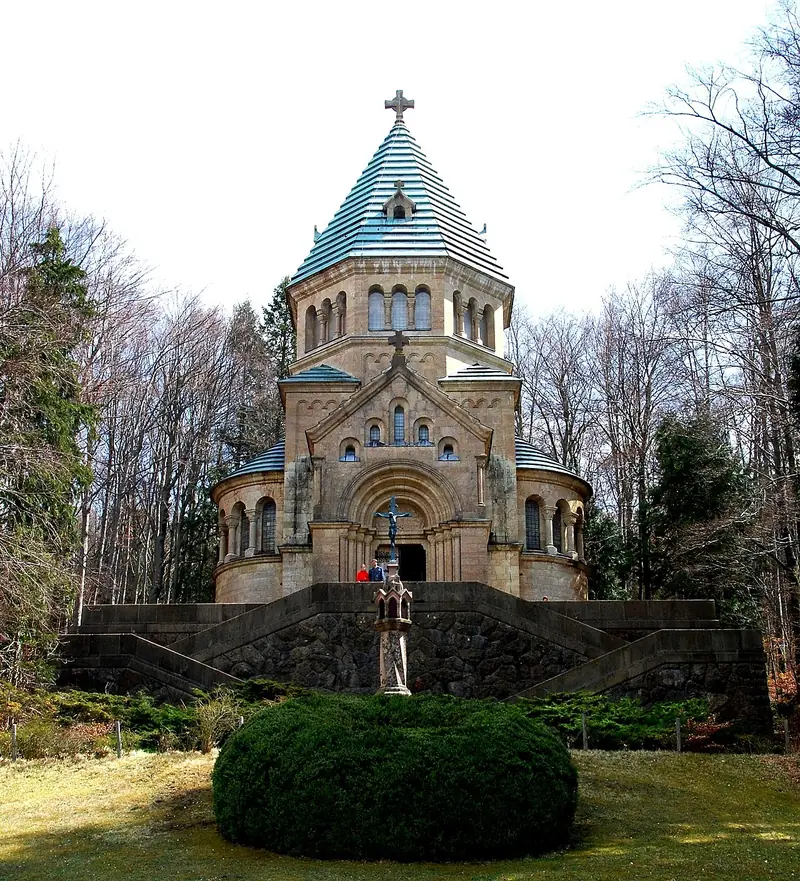
Overview
The Votivkapelle, a remarkable cultural heritage monument located in the picturesque region of Bavaria, Germany, stands as a significant site for both religious and historical exploration. Perched on the shores of Starnberger See in Berg, this chapel is not only a place of worship but also a testament to the enduring traditions of the area. With coordinates at 47.963863131, 11.348185842, it invites visitors to engage with its serene atmosphere and cultural resonance.
Constructed as a response to a pivotal moment in Bavarian history, the Votivkapelle represents the intersection of faith and cultural identity. It serves as a spiritual refuge for locals and travelers alike, reflecting the architectural styles and spiritual practices of the region. Whether you are drawn to its religious significance or its historical context, the Votivkapelle promises a meaningful experience for all who visit.
History and Significance
The Votivkapelle holds a significant place in the cultural landscape of Bavaria. As a cultural heritage monument designated under D-1-88-113-14 (2), it reflects the deep-rooted historical and religious traditions of the region. While specific dates regarding its construction remain elusive, the chapel is known to have been established as a votive offering, a common practice in Christian tradition where structures are erected in gratitude for divine intervention or protection.
This chapel serves as a poignant reminder of the spiritual fervor that has characterized the area through the centuries. It embodies the community’s devotion and the importance of faith in everyday life, particularly in times of crisis or need. The Votivkapelle’s significance extends beyond its religious function; it is also a symbol of resilience and hope, a place where individuals can come together in collective remembrance and prayer.
The site is not merely a religious landmark; it plays a role in the cultural narrative of Bavaria. The chapel attracts visitors who are interested in understanding the local heritage, as well as those who seek a tranquil environment for reflection. Its presence in Berg, a town known for its scenic beauty and historical depth, enhances the cultural fabric of the region and offers insights into the Bavarian way of life.
Architecture and Features
The architecture of the Votivkapelle is emblematic of the period in which it was built, showcasing elements that reflect both functionality and aesthetic appeal. While specific details about its design and construction techniques are not provided, the chapel is characterized by its thoughtful layout and serene ambiance, typical of many religious structures in Bavaria.
Visitors to the Votivkapelle can expect to find a place of worship that integrates seamlessly into its natural surroundings. The structure is designed to facilitate a sense of peace and contemplation, often enhanced by the calming presence of Starnberger See nearby. The chapel’s interior likely features traditional religious iconography and furnishings, designed to inspire reflection and devotion among visitors.
Although the architectural details may vary, the Votivkapelle serves its intended purpose as a site of spiritual significance and community gathering. Its enduring presence in the region highlights the importance of faith in the cultural identity of Bavaria, making it a focal point of local heritage.
Visiting Information
When planning your visit to the Votivkapelle, consider the best ways to reach this cultural treasure. The chapel is located in Berg, a town that is accessible via various modes of transport. Visitors can drive to the site, and parking may be available nearby. Alternatively, public transportation options, including buses or trains, can connect you to the region, allowing you to enjoy the scenic journey to the chapel.
Check the official website for current information regarding opening hours and any potential admission fees. It is advisable to allocate a reasonable amount of time for your visit, allowing for exploration of the chapel and its surroundings. Generally, a visit can take anywhere from an hour to a few hours, depending on your level of interest in the site and its historical context.
The best times to visit the Votivkapelle are during the spring and summer months when the weather is pleasant and conducive to outdoor exploration. The surrounding area offers beautiful vistas and opportunities for leisurely walks, adding to the overall experience of visiting this significant site.
Nearby Attractions
The Votivkapelle is situated in a region rich with attractions that complement your visit. Consider exploring the following nearby sites:
Starnberger See: A stunning lake known for its recreational activities, walking paths, and scenic views. Perfect for a leisurely stroll or a picnic by the water.
Berg Castle: Located a short distance from the chapel, this historic castle offers insights into the region’s aristocratic past and beautiful gardens to explore.
Bavarian Museum of Industry: Just a drive away, this museum showcases the industrial heritage of Bavaria, providing a fascinating contrast to the spiritual experience of the chapel.
Tutzing: A charming town on the shores of Starnberger See, Tutzing features beautiful promenades, a vibrant cultural scene, and delightful dining options.
Friedrichshofen Castle: Another historical site nearby, this castle gives visitors a glimpse into the architectural styles and history of the region.
Insider Tips
To enhance your visit to the Votivkapelle, consider a few insider tips. For photography enthusiasts, the early morning or late afternoon light provides optimal conditions for capturing the chapel’s beauty, framed by the tranquil surroundings. Additionally, visiting on weekdays may allow for a quieter experience, as weekends can see larger crowds.
If you are hoping to engage in a moment of solitude or reflection, consider visiting during off-peak hours. This not only enriches your experience but allows you to fully appreciate the chapel’s serene setting.
Practical Information
When preparing for your visit to the Votivkapelle, it is advisable to bring along essentials such as water, comfortable walking shoes, and a camera to capture the moments. Depending on the season, be mindful of weather conditions; layers may be necessary in cooler months, while sunscreen is advisable during the summer.
Accessibility considerations are also important; check the official website for information regarding wheelchair access and any accommodations that may be available to ensure an inclusive experience.
Frequently Asked Questions
How long should I spend visiting?
A visit typically takes between one to three hours, depending on your interest in exploring the chapel and surrounding area.
Is photography allowed?
Photography is generally permitted, but check for any specific guidelines posted at the site.
Are there guided tours?
Check the official website for information on guided tours, as these may be available to enhance your understanding of the chapel’s history and significance.
What’s the best time to visit?
The best time to visit is during the spring and summer months when the weather is pleasant, and the natural surroundings are in full bloom.
Is it wheelchair accessible?
For accessibility information, check the official website to ensure the chapel meets your needs.
Can I buy tickets online?
Check the official website for current information on ticketing options, including online purchases if available.
Are there restrooms and cafes?
Facilities may be limited at the chapel itself; consider visiting nearby towns for restrooms and dining options.
What should I wear?
Dress comfortably, considering the weather and the nature of your visit. Modest attire is recommended for religious sites.



