Overview
Vogelherd Cave, located in Niederstotzingen, Germany, is an archaeological site that offers a fascinating glimpse into prehistoric life. This cave serves as a vital link to understanding the human past, showcasing evidence of early human habitation and artistry. Within its depths, visitors can explore a world that existed thousands of years ago, where early humans crafted tools and engaged in artistic expression.
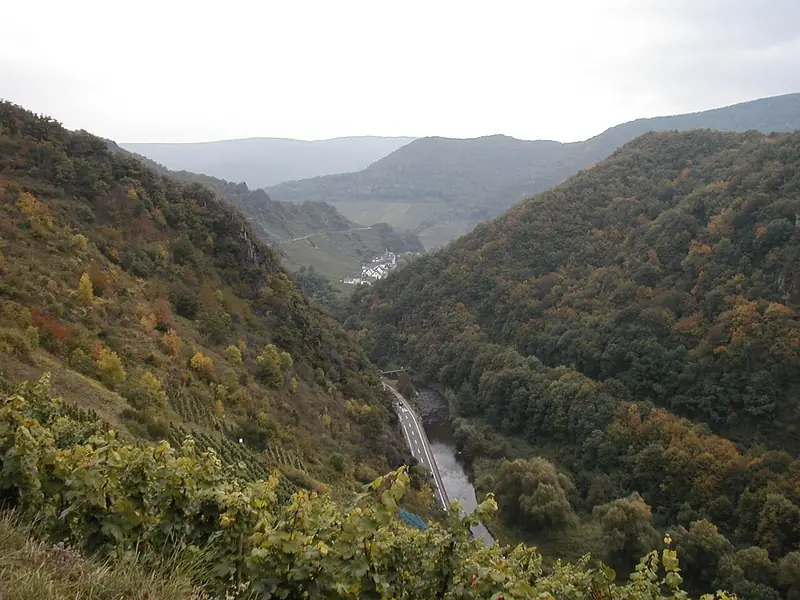
The surrounding landscape features a serene environment that invites exploration and reflection. The cave is set against a backdrop that enhances its historical significance, offering a glimpse into a time long before the conveniences of modern life. Here, you’ll discover not only the structural features of the cave but also the stories etched into its walls by those who came before us.
Vogelherd Cave is significant not only for its archaeological treasures but also for its contribution to our understanding of human evolution and culture. You’ll find that every corner of this site holds stories waiting to be uncovered, making your visit a rich educational experience.
History and Significance
The history of Vogelherd Cave extends back to a time when our ancestors roamed the earth, leaving behind traces of their existence. Archaeological findings within the cave indicate that it was inhabited during the Upper Paleolithic period. This era marked a crucial phase in human development, characterized by advancements such as tool-making and the emergence of symbolic art.
Among the most remarkable discoveries in Vogelherd Cave are the figurines carved from mammoth ivory. These artifacts demonstrate not only the artistic skills of early humans but also their cognitive development. The cave has yielded several significant finds, contributing to our understanding of how humans interacted with their environment and expressed their beliefs and experiences.
Vogelherd Cave is part of a broader archaeological context that includes other important sites in the region. These sites collectively illustrate the cultural and technological advancements that occurred over centuries. The discoveries made at Vogelherd have garnered attention from archaeologists and historians alike, as they provide insights into early human life, social structures, and artistic expression.
The significance of Vogelherd extends beyond its physical artifacts; it offers a narrative about the evolution of human society, creativity, and survival. Its status as a UNESCO World Heritage site highlights its universal value, making it a critical focal point for those interested in prehistory and human development.
Architecture and Features
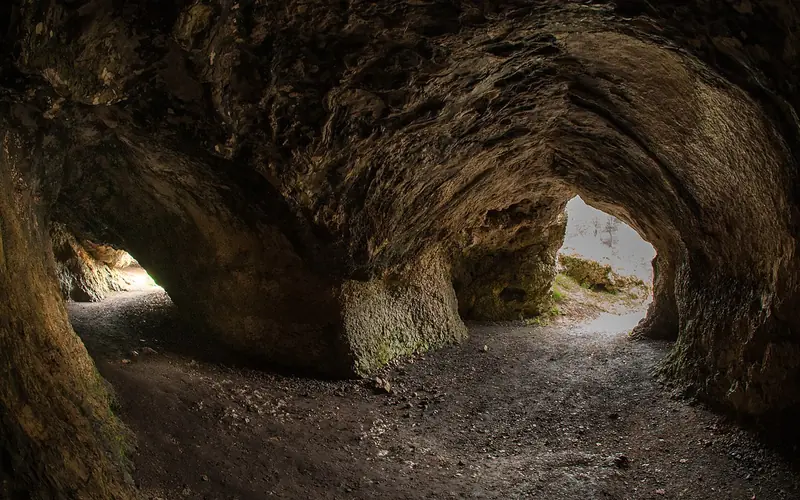
Vogelherd Cave is a natural formation that illustrates the geological processes that shaped the landscape over millennia. The cave itself features an intricate network of chambers and passages, which provide a unique environment for exploration. Visitors can observe the natural rock formations that have been sculpted by time and nature, creating a visually striking setting.
As an archaeological site, the cave does not have traditional architectural features such as walls or columns. Instead, its significance lies in the artifacts uncovered within. The cave has yielded stone tools and ornamental items, showcasing the skills and creativity of its ancient inhabitants. These features help illustrate the technological advancements of early humans during the Upper Paleolithic.
Additionally, the cave is notable for the presence of ancient art. The carved figurines found within its depths are key highlights of the site, representing early artistic expression. This art offers a glimpse into the beliefs and cultural practices of the people who once inhabited the area.
Visually, Vogelherd Cave presents a compelling scene, with its rugged rock walls and the interplay of light and shadow creating a dramatic atmosphere. The cave serves as a reminder of the enduring connection between humanity and the natural world, making it a place of both historical and aesthetic importance.
Visiting Information
Traveling to Vogelherd Cave is accessible through various means. Visitors can reach the site by car, with parking available in the vicinity. Public transport options may also be available, allowing for convenient access to this archaeological gem.
Hours: Check the official website for current opening hours.
Prices: Visit the official website for current admission prices.
When you arrive, expect a thoughtful visitor experience that encourages exploration and discovery. The site typically requires 1-2 hours for a thorough visit, allowing ample time to appreciate the cave’s features and artifacts.
For those looking to avoid crowds, visiting in the morning is advisable. The spring and fall seasons offer pleasant weather for outdoor exploration, making these times ideal for a visit.
Accessibility may be a consideration for some visitors, so be sure to check the site for relevant information if you have specific needs.
Nearby Attractions
While in the area, several other attractions are worth exploring:
Archaeological Museum of Niederstotzingen: This museum complements your visit to Vogelherd Cave by showcasing artifacts and information related to the region’s prehistoric past. It provides context to the findings at the cave.
Hohlenstein Cave: Located not far from Vogelherd, this cave is another site of archaeological significance that offers insights into prehistoric life in the region.
Local Nature Trails: The surrounding landscape features numerous trails that invite visitors to explore the natural beauty of the area. These trails provide opportunities for hiking and enjoying the serene environment.
Historic Town Centers: The nearby area may also have historic town centers worth exploring, where you can experience local culture, architecture, and cuisine.
Insider Tips
When visiting Vogelherd Cave, consider these insider tips to enhance your experience:
Photography: The interplay of light and shadow within the cave makes for captivating photographs. Early morning light is particularly effective for capturing the cave’s features.
Lesser-Known Details: Pay attention to the textures of the cave walls and any visible artifacts. These details tell the story of the people who once inhabited this space.
Crowd Avoidance: To enjoy a more intimate experience, plan your visit during weekdays rather than weekends.
Local Insights: Engage with staff or guides on-site; they often have unique insights and stories about the cave and its significance that can enrich your visit.
Practical Information
For a successful visit to Vogelherd Cave, here are some practical details to keep in mind:
What to Bring: A camera is recommended for capturing the site, along with comfortable walking shoes for exploring the cave and surrounding area.
Seasonal Considerations: Weather can influence your visit, so check the forecast ahead of time. Spring and fall are usually pleasant, while summer may be warmer.
Visitor Amenities: Facilities may be limited, so plan accordingly. It’s wise to bring water and snacks, especially if you plan to explore the surrounding trails.
Frequently Asked Questions
How long should I spend visiting?
You should plan to spend about 1-2 hours at Vogelherd Cave to fully appreciate the site and its features.
Is photography allowed inside?
Photography is allowed, so feel free to capture the unique features of the cave.
Are there guided tours available?
Check the official website for information on whether guided tours are offered during your visit.
What’s the best time of day to visit?
Morning is often the best time to visit for fewer crowds and better lighting for photography.
Is the site wheelchair accessible?
Contact the site directly for the latest information regarding accessibility options.
Can I buy tickets online?
Visit the official website for current admission prices and ticket purchasing options.
Are there facilities like restrooms and cafes?
Facilities may be limited, so it’s advisable to check ahead and plan accordingly.
What should I wear when visiting?
Wear comfortable clothing and sturdy shoes suitable for walking, especially if you plan to explore the trails in the area.