
Villeroy & Boch
Overview
Villeroy & Boch, a prominent German manufacturer of ceramics, stands as a symbol of craftsmanship and innovation in Mettlach, Germany. With a history that spans several centuries, this factory not only produces exquisite tableware and tiles but also represents a significant chapter in the narrative of European ceramics. Nestled along the banks of the Saar River, the site offers visitors a glimpse into the artistry and dedication that underpin one of the world’s leading ceramic brands. The factory is a place where tradition meets modernity, showcasing both historical pieces and contemporary designs.
As you explore this heritage site, you will encounter the intricate processes involved in ceramic manufacturing, from design to production. Whether you are an enthusiast of fine dining wares or simply curious about industrial craftsmanship, Villeroy & Boch promises an enriching experience filled with insights into the art of ceramics.
History and Significance
Villeroy & Boch has a storied past that traces back to its founding. The company was established in the 18th century, marking the beginning of its journey as a creator of high-quality ceramics. Over the years, it has become synonymous with both elegance and functionality in tableware. The factory in Mettlach has played a crucial role in the evolution of ceramic production, embracing technological advancements while maintaining traditional craftsmanship.
The significance of Villeroy & Boch extends beyond its products; it reflects cultural shifts in dining and home decor throughout Europe. As the demand for fine ceramics grew, so did the factory’s reputation, leading to international acclaim. The company’s contributions have not only influenced artistic trends but also impacted social customs surrounding dining and hospitality.
Throughout its history, Villeroy & Boch has faced challenges, including economic fluctuations and shifts in consumer preferences. Nevertheless, the brand has adapted and reinvented itself, ensuring its continued relevance in the modern marketplace. Today, it stands as a testament to resilience and creativity, embodying the spirit of German craftsmanship.
Architecture and Features
The physical structure of the Villeroy & Boch factory reflects its long-standing heritage while incorporating elements of contemporary design. Visitors will find a blend of historical architecture and modern facilities, creating a unique environment that showcases both the past and the present. The factory is characterized by its distinctive buildings, which house various aspects of the ceramic production process.
Inside, you can expect to see the intricate machinery and tools that contribute to the creation of ceramic pieces. The factory layout is designed to facilitate efficiency while allowing for artistic expression. Notable features include exhibition areas where visitors can admire finished products and learn about the production techniques employed by skilled artisans.
The factory’s commitment to sustainability is also evident in its operations. Villeroy & Boch has implemented eco-friendly practices that minimize environmental impact, reflecting a modern awareness of the importance of responsible manufacturing.
Visiting Information
Visiting Villeroy & Boch offers a fascinating opportunity to explore the world of ceramics. To reach the factory, various transportation options are available, including local public transport and private vehicles. Make sure to check the official website for current information on hours of operation and entry fees, as these details can vary.
Once inside, visitors can anticipate an engaging experience that includes guided tours detailing the intricacies of ceramic production. Generally, a visit may take between two to three hours, allowing ample time to explore the factory and its exhibits. The best times to visit are during weekdays, when crowds tend to be lighter, and the tour guides can offer more personalized insights.
Be prepared for a variety of activities, including interactive displays and opportunities to purchase unique ceramic pieces. Whether you’re a history buff or an art lover, this factory visit promises a rewarding experience.
Nearby Attractions
While in Mettlach, consider exploring these nearby attractions:
Saarburg Castle: A historic castle offering panoramic views of the surrounding landscape, ideal for a leisurely hike.
Mettlach Abbey: A beautiful abbey with stunning architecture and serene grounds, perfect for a peaceful stroll.
Saar River: Enjoy a scenic walk along the riverbanks, or take a boat tour to appreciate the local scenery from a different perspective.
The Mettlach Museum: Learn more about the local history and culture, with exhibits that complement your visit to Villeroy & Boch.
Mettlach Town Center: Explore charming shops and cafes that reflect the local culture, providing a taste of everyday life in this picturesque town.
Insider Tips
To enhance your visit to Villeroy & Boch, consider these insider tips:
Photography: Bring your camera to capture the intricate designs and craftsmanship, but always check for any restrictions on photography within the factory.
Crowd Avoidance: For a more intimate experience, plan your visit during weekday mornings, as weekends may draw larger crowds.
Dress Comfortably: Wear comfortable shoes, as you may be walking around the factory and exploring the exhibits.
Practical Information
Before visiting Villeroy & Boch, keep the following practical considerations in mind:
What to Bring: Bring a reusable water bottle to stay hydrated during your visit, along with any personal items you may need for a few hours.
Seasonal Considerations: Check the weather forecast ahead of your visit, as conditions can vary. Dress in layers to ensure comfort throughout your time at the factory.
Frequently Asked Questions
How long should I spend visiting?
A typical visit to Villeroy & Boch can take about two to three hours, allowing time for both the tours and exhibits.
Is photography allowed?
Photography policies may vary. It is advisable to check for specific guidelines upon arrival.
Are there guided tours?
Yes, guided tours are available, providing insights into the production processes and history of the factory.
What’s the best time to visit?
Weekday mornings are recommended for a quieter experience, as weekends can be busier.
Is it wheelchair accessible?
Facilities are generally designed to accommodate visitors with varying needs. Check the official website for specific accessibility details.
Can I buy tickets online?
Ticket purchasing options may be available online. It is best to confirm this on the official website before planning your visit.
Are there restrooms and cafes?
Facilities including restrooms and possibly cafes are available on-site, offering convenience during your visit.
What should I wear?
Dress comfortably and consider wearing shoes suitable for walking, as you may be exploring different areas of the factory.
More in Rhineland-Palatinate
Abenteuermuseum
📍 Rhineland-Palatinate, Germany
The Abenteuermuseum, located in Germany, invites visitors to explore the wonders of adventure through its unique exhibits and engaging experiences. …
Abtei Wadgassen
📍 Rhineland-Palatinate, Germany
Abtei Wadgassen, a historical monastery located in Saarlouis, Germany, offers visitors a glimpse into the spiritual and architectural heritage of the …

Achteinhalb
📍 Rhineland-Palatinate, Germany
In the heart of Saarbrücken, Germany, Achteinhalb serves as a vibrant cultural hub for cinema enthusiasts. This movie theater not only showcases a …

Alexander Church
📍 Rhineland-Palatinate, Germany
Alexander Church, a notable church building located in Zweibrücken, Germany, offers a captivating glimpse into the region’s spiritual and …
Alt-Saarbrücken
📍 Rhineland-Palatinate, Germany
Alt-Saarbrücken, the old town of Saarbrücken, Germany, offers a glimpse into the historical fabric of the region. With its cobblestone streets and …

Altburg (Bundenbach)
📍 Rhineland-Palatinate, Germany
Altburg, situated in the picturesque region of Rhineland-Palatinate, Germany, is a fascinating castle that invites visitors to explore its storied …
More Factories
A. Heucke
📍 Lower Saxony, Germany
A. Heucke, located in the historic town of Gatersleben in Germany’s Seeland region, represents a significant chapter in the story of industrial …
Adam Opel AG Werk Bochum I
📍 Lower Saxony, Germany
The Adam Opel AG Werk Bochum I, located in Germany, represents a significant chapter in the history of industrial production. This former production …
Adam Opel AG Werke Bochum II/III
📍 Lower Saxony, Germany
Adam Opel AG Werke Bochum II/III is a distinguished factory located in Germany, playing a significant role in the automotive industry. This site is …
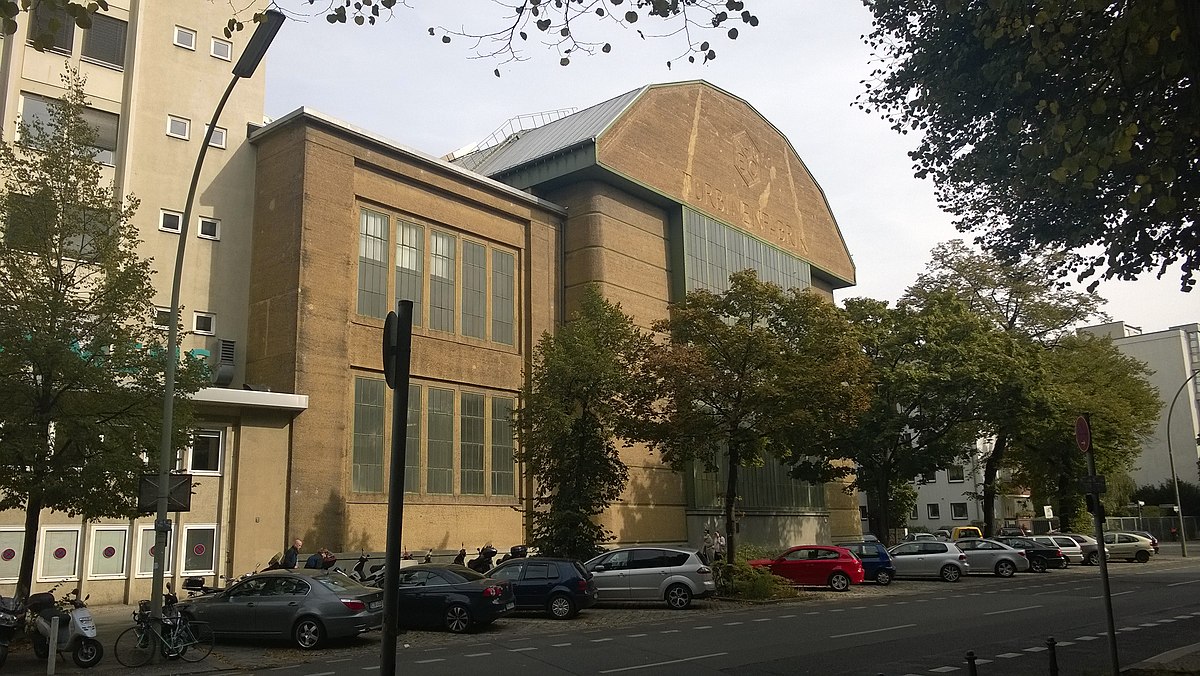
AEG's Turbine factory
📍 Berlin, Germany
The AEG Turbine Factory, an iconic structure in Berlin’s Bezirk Mitte, is a significant landmark that reflects the industrial heritage of the city. …
AKA-Radiergummifabrik
📍 Lower Saxony, Germany
The AKA-Radiergummifabrik, a significant former factory located in Hannover, Germany, offers a unique glimpse into the industrial past of the region. …

Alte Malzfabrik
📍 Lower Saxony, Germany
Alte Malzfabrik, located in Mülheim an der Ruhr, Germany, is an intriguing factory site that encapsulates the industrial heritage of the region. This …