Veltak
Overview
Veltak, located in Velten, Germany, is a significant historical site that reflects the industrial heritage of the region. Once the largest stove tile factory in Europe during the 1960s, this factory offers a unique glimpse into the manufacturing processes of a bygone era. With its fascinating history and cultural importance, Veltak stands as a reminder of the industrial advancements that shaped the local community and the broader European landscape.
The factory’s architecture and the remnants of its operations provide a compelling narrative about the evolution of craftsmanship and industry in Germany. Visitors to Veltak can expect to explore not only the physical space of the factory but also the stories and traditions that have been woven into its fabric over the decades. This site serves as a crucial piece of Velten’s identity, inviting you to explore the legacy of a pivotal industry in the region.
History and Significance
Veltak’s historical significance is rooted in its role as a leading manufacturer of stove tiles in Europe during the 1960s. This factory was a hub of innovation and production, contributing to the local economy and providing employment opportunities for many residents of Velten. The factory’s prominence in the industry not only reflects the economic landscape of the time but also highlights the cultural importance of craftsmanship in the region.
The production of stove tiles is an art form that combines functionality with aesthetic appeal, and Veltak played a pivotal role in this craft. The tiles manufactured here were not merely utilitarian; they were often designed with intricate patterns and vibrant colors, showcasing the skill of the artisans. This combination of utility and artistry made Veltak a key player in the home design market, influencing trends and tastes in stove design throughout Europe.
As industrial practices evolved and demand shifted, the factory’s operations changed, leading to its current status as a heritage site. Veltak now serves as a reminder of the region’s industrial heritage and the importance of preserving such sites for future generations. The stories of the workers, the innovations in tile design, and the factory’s impact on the local economy are all essential parts of its narrative.
Architecture and Features
The architecture of Veltak is indicative of the industrial design trends of the mid-20th century, characterized by functional structures that prioritize efficiency in manufacturing. The factory is a sprawling complex that reflects the scale of operations during its height, featuring large production halls and warehouses designed to accommodate the machinery and materials necessary for tile production.
Distinctive elements of the factory include the traditional kiln areas where tiles were fired, showcasing the craftsmanship that went into creating each piece. The layout of the factory is functional, with areas designated for different stages of production, from raw material processing to finished product storage. This design not only facilitated a smooth workflow but also allowed for the integration of various manufacturing techniques that were innovative at the time.
Visitors can explore the remnants of the production lines that once buzzed with activity, providing a tangible connection to the past. The factory’s features, such as the large windows that once illuminated the workspaces, reflect the era’s emphasis on natural light and ventilation in industrial settings. Overall, Veltak’s architecture stands as a testament to the industrial ingenuity of its time and serves as an important piece of Velten’s architectural heritage.
Visiting Information
Visiting Veltak provides an opportunity to immerse yourself in the industrial history of the region. To reach the factory, various transportation options are available, including public transport and private vehicles. The coordinates for Veltak are 52.6825, 13.1786, providing a precise location for navigation.
Before planning your visit, it is advisable to check the official website for current information regarding hours of operation and ticket prices. Depending on the day and time, the factory may have specific visiting hours, and knowing this in advance can enhance your experience.
Upon arrival, visitors can expect to spend a few hours exploring the site. The factory offers guided tours that delve into its history and significance, allowing for a deeper understanding of the manufacturing processes and the craftsmanship involved in tile production. It is recommended to visit during weekdays to avoid larger crowds, particularly if you prefer a more intimate experience.
The best times to visit Veltak may vary depending on seasonal activities or events, so checking ahead can help you plan an optimal visit. Overall, a trip to Veltak is both educational and inspiring, providing a unique perspective on the industrial heritage of Velten.
Nearby Attractions
While visiting Veltak, consider exploring these nearby attractions to enrich your experience:
Velten Town Center: A charming area with shops, cafes, and local eateries that offer a taste of the community’s culture and cuisine.
Historical Museum Velten: This museum provides insights into the local history and heritage, further contextualizing the significance of Veltak within the region.
Lake Bötzsee: A scenic spot for relaxation and leisure, perfect for a peaceful walk or a picnic after your visit to the factory.
Brieselang: A nearby village with its own historical sites and beautiful natural landscapes, ideal for a short excursion.
Berlin: Just a short distance away, the capital city offers a wealth of cultural and historical experiences, making it an excellent addition to your itinerary.
Insider Tips
To make the most of your visit to Veltak, here are some insider tips:
Photography: The factory’s architecture and features provide excellent opportunities for photography. Capture the intricate details of the kiln areas and the spacious production halls. However, check for any restrictions on photography during guided tours.
Crowd Avoidance: To enjoy a quieter experience, consider visiting during weekday mornings. This timing often allows for a more personal exploration of the site, and you may have more opportunities to interact with guides.
Practical Information
When preparing for your visit to Veltak, consider bringing the following items:
Comfortable Footwear: The factory may require some walking, so wear sturdy shoes for an enjoyable experience.
Weather-Appropriate Clothing: Depending on the season, dress in layers to accommodate changes in temperature, especially if parts of the factory are not climate-controlled.
Water and Snacks: While exploring, it’s a good idea to stay hydrated and have a light snack on hand, especially if you plan to spend several hours at the site.
Seasonal considerations can also impact your visit. For example, winter months may bring colder temperatures, while summer may be more crowded. Always check the official website for any specific seasonal events or considerations.
Frequently Asked Questions
How long should I spend visiting?
Typically, a visit to Veltak can take about 2 to 3 hours, allowing enough time to explore the factory and participate in guided tours.
Is photography allowed?
Photography may be permitted in certain areas, but it’s best to check for any restrictions during guided tours.
Are there guided tours?
Yes, guided tours are available and provide valuable insights into the factory’s history and operations.
What’s the best time to visit?
Weekday mornings are often the best time to visit to avoid larger crowds.
Is it wheelchair accessible?
Check the official website for information regarding accessibility options at Veltak.
Can I buy tickets online?
For current information on ticket sales, including online options, visit the official website.
Are there restrooms and cafes?
Facilities may be available on-site; check the official website for details.
What should I wear?
Dress comfortably and in layers, taking into account the weather conditions of your visit.
More in Berlin

144., 176. und 184. Gemeindeschule
📍 Berlin, Germany
The 144., 176. und 184. Gemeindeschule, an architectural ensemble located in the vibrant city of Berlin, stands as a noteworthy example of educational …

Academy of Arts (Hanseatenweg)
📍 Berlin, Germany
The Academy of Arts (Hanseatenweg) stands as an emblem of Berlin’s vibrant cultural landscape, located in the historic Hansaviertel district. Renowned …

Academy of Arts, Berlin
📍 Berlin, Germany
The Academy of Arts in Berlin is not just a museum; it is a prominent national institution dedicated to the advancement of the arts in Germany. …

Academy of the Konrad-Adenauer-Stiftung
📍 Berlin, Germany
The Academy of the Konrad-Adenauer-Stiftung, located in the heart of Berlin, is not just a foundation but a hub of intellectual discourse and …

ACUD
📍 Berlin, Germany
Located in the heart of Berlin’s Bezirk Mitte, ACUD serves as a vibrant cultural center and cinema, showcasing an array of films and events that …

Admiralspalast
📍 Berlin, Germany
Admiralspalast is a prominent theatre and event venue located in the heart of Berlin, Germany. This architectural gem serves as a cultural hub, …
More Factories
A. Heucke
📍 Lower Saxony, Germany
A. Heucke, located in the historic town of Gatersleben in Germany’s Seeland region, represents a significant chapter in the story of industrial …
Adam Opel AG Werk Bochum I
📍 Lower Saxony, Germany
The Adam Opel AG Werk Bochum I, located in Germany, represents a significant chapter in the history of industrial production. This former production …
Adam Opel AG Werke Bochum II/III
📍 Lower Saxony, Germany
Adam Opel AG Werke Bochum II/III is a distinguished factory located in Germany, playing a significant role in the automotive industry. This site is …
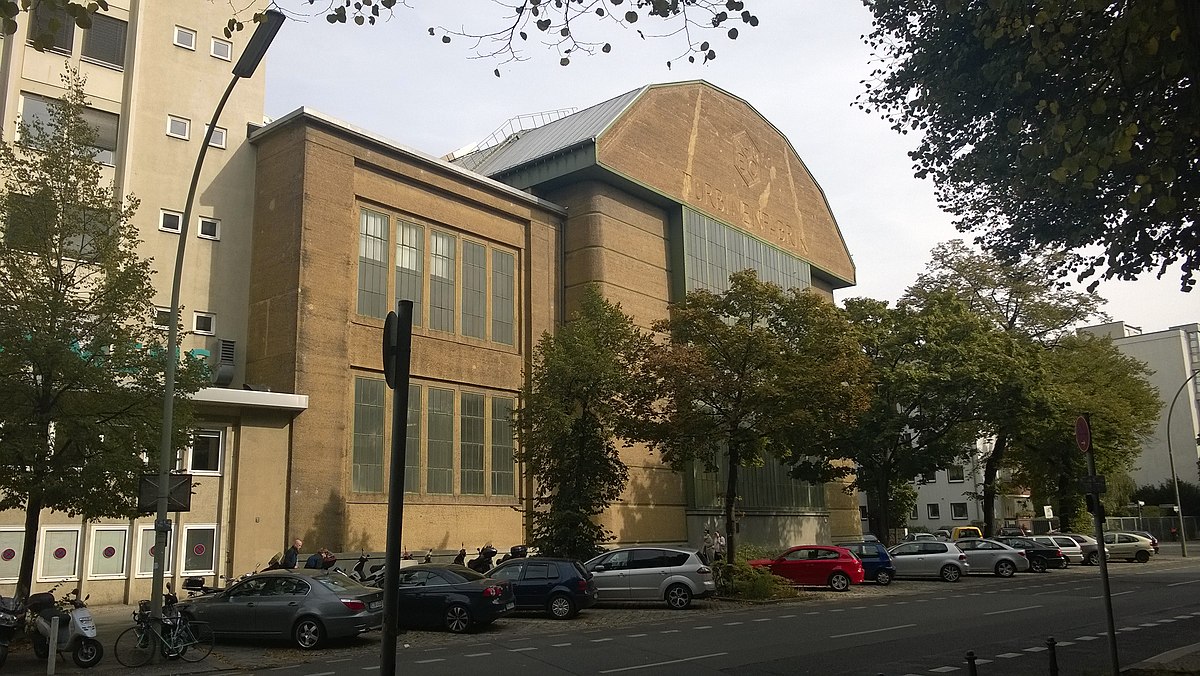
AEG's Turbine factory
📍 Berlin, Germany
The AEG Turbine Factory, an iconic structure in Berlin’s Bezirk Mitte, is a significant landmark that reflects the industrial heritage of the city. …
AKA-Radiergummifabrik
📍 Lower Saxony, Germany
The AKA-Radiergummifabrik, a significant former factory located in Hannover, Germany, offers a unique glimpse into the industrial past of the region. …

Alte Malzfabrik
📍 Lower Saxony, Germany
Alte Malzfabrik, located in Mülheim an der Ruhr, Germany, is an intriguing factory site that encapsulates the industrial heritage of the region. This …