Uranium Mining Landscape
Overview
The Uranium Mining Landscape in Germany is an evocative cultural landscape that captures the complex interplay between human industry and natural surroundings. Encompassing a region that has been shaped by the extraction of uranium, this site serves as a poignant reminder of the impacts of mining on both the environment and society. Its significance lies not only in its historical context but also in its role in the broader narrative of energy production and environmental stewardship. Visitors to this UNESCO World Heritage site can expect to engage with a landscape that narrates stories of innovation, community, and change amidst the backdrop of Germany’s industrial evolution.
Located at coordinates 50.6334, 12.6857, the Uranium Mining Landscape is part of a larger cultural narrative that explores the human endeavor in the pursuit of resources. This site invites exploration and reflection, offering insights into how mining activities have reshaped not just the earth but also the lives of those who lived and worked in this area. The landscape stands as a compelling example of how cultural landscapes can embody historical and social narratives, making it an essential visit for those interested in the intersection of culture, history, and the environment.
History and Significance
The Uranium Mining Landscape has played a pivotal role in the history of energy production in Germany, particularly during the 20th century. The extraction of uranium from this region became particularly significant during the Cold War, as the demand for nuclear energy surged. This mining activity was not merely an industrial endeavor; it was interwoven with the socio-political fabric of the time, influencing local economies, communities, and even international relations.
The cultural landscape reflects the evolution of mining techniques and technologies, showcasing how human ingenuity adapted to extract valuable resources from the earth. As mining practices advanced, they left behind a variety of remnants, including infrastructure and industrial sites, which now serve as markers of this complex history. The landscape is a tangible representation of the duality of progress—while it provided energy and economic growth, it also posed challenges related to environmental degradation and health risks for local populations.
In addition to its industrial significance, the site offers insights into the lives of the workers and communities that were directly impacted by uranium mining. The stories of these individuals contribute to the cultural richness of the landscape, making it a living history of resilience and adaptation. As such, the Uranium Mining Landscape stands as a critical point of reflection on the broader themes of resource extraction, environmental responsibility, and societal change.
Architecture and Features
The architectural elements of the Uranium Mining Landscape are both functional and historical, showcasing the practical designs of mining infrastructure as well as the remnants of industrial heritage. Visitors can observe various structures that were essential to the uranium extraction process, including processing plants, administrative buildings, and worker accommodations. These sites illustrate the evolution of mining technology and the scale of operations that once characterized the area.
Notable features within the landscape include remnants of mining equipment, transportation systems, and waste disposal sites, all of which provide context to the industrial activities that took place. The stark contrasts between the natural environment and the man-made structures evoke a sense of the transformative power of human activity on the landscape. The juxtaposition of these elements serves as a powerful reminder of the consequences of resource extraction, prompting visitors to consider the balance between progress and preservation.
Walking through the site, one can observe how nature has begun to reclaim areas affected by mining. This reclamation process highlights the resilience of the environment, while also raising important questions about sustainability and the long-term effects of industrial practices. The landscape, therefore, is not only a historical record but also a dynamic space that continues to evolve.
Visiting Information
Visiting the Uranium Mining Landscape offers a unique opportunity to engage with a significant cultural site. Access to the site may vary, so it is advisable to check the official website for current information regarding hours and prices. The landscape is well-served by various modes of transport, making it relatively easy to reach for those traveling from nearby cities.
Expect to spend a few hours exploring the site, as there is much to see and reflect upon. Guided tours may be available, providing deeper insights into the historical and cultural significance of the area. The best times to visit are typically during the spring and autumn months when the weather is generally mild, making it comfortable for outdoor exploration.
As you plan your visit, consider wearing sturdy footwear suitable for walking on uneven terrain. Additionally, bringing along water and snacks can enhance your experience, allowing you to take your time as you explore the landscape’s various features.
Nearby Attractions
While the Uranium Mining Landscape is a focal point for visitors, several nearby attractions can complement your visit:
Wismut Museum - This museum provides an in-depth look at the history of uranium mining in the region, featuring exhibitions that detail the technology, the workers’ lives, and the environmental impact.
Biosphere Reserve Ore Mountains/Vogtland - A nearby natural reserve that showcases the rich biodiversity and ecological significance of the Ore Mountains, offering hiking and nature walks.
Chemnitz - A city known for its cultural institutions, including art galleries and theaters, providing a vibrant urban experience just a short drive away.
Zschopau Valley - An area known for its picturesque scenery and opportunities for hiking and outdoor activities, perfect for those looking to connect with nature.
Historische Altstadt Freiberg - The historic old town of Freiberg features charming architecture and a rich mining history, making it a lovely stop after visiting the Uranium Mining Landscape.
Insider Tips
For photography enthusiasts, the Uranium Mining Landscape presents numerous opportunities to capture unique industrial artifacts alongside natural surroundings. Early morning or late afternoon light can enhance your photographs, providing a more dramatic effect. To avoid larger crowds, consider visiting during weekdays or outside of peak tourist seasons.
Engaging with a guided tour can enrich your experience, as guides often share stories and insights that may not be readily available through self-exploration. Additionally, be sure to check for any special events or exhibitions that may be taking place during your visit, as they can provide further context and engagement with the site.
Practical Information
When preparing for your visit to the Uranium Mining Landscape, it is advisable to wear comfortable clothing and sturdy footwear, as the terrain can be uneven and may require walking over various surfaces. Depending on the season, consider bringing layers, as temperatures can vary throughout the day.
Seasonal considerations are important; during the winter months, weather conditions may affect accessibility, so checking the official website prior to your visit is recommended. Packing a camera, a refillable water bottle, and light snacks can enhance your experience, allowing you to explore the landscape at your own pace.
Frequently Asked Questions
How long should I spend visiting?
A visit typically requires a few hours to fully appreciate the landscape and its historical significance.
Is photography allowed?
Yes, photography is generally permitted, so feel free to capture the unique features of the landscape.
Are there guided tours?
Guided tours may be available, providing insights into the history and significance of the site.
What’s the best time to visit?
The best times to visit are during the spring and autumn months when the weather is mild.
Is it wheelchair accessible?
Accessibility information can vary, so it is best to check the official website for specific details.
Can I buy tickets online?
Check the official website for information regarding online ticket purchases.
Are there restrooms and cafes?
Facilities may be available, but it is advisable to confirm details on the official website.
What should I wear?
Wear comfortable clothing and sturdy footwear suitable for walking on uneven terrain.
More in Saxony

6. Grundschule "Am Großen Garten"
📍 Saxony, Germany
The 6. Grundschule “Am Großen Garten” stands as a significant educational institution in Dresden, Germany, embodying the principles of early childhood …

Albertinum
📍 Saxony, Germany
Albertinum is a prominent art museum located in the heart of Dresden, Germany, serving as a significant cultural institution in the region. …

All Saints Church, Dresden
📍 Saxony, Germany
All Saints Church, located in the vibrant city of Dresden, Germany, is a remarkable church building that captures the essence of the region’s …

Altarstein (Saxon Switzerland)
📍 Saxony, Germany
Altarstein, located in the picturesque region of Saxon Switzerland, Germany, is a captivating monument that draws visitors into its historical …

Alte Nikolaischule (Leipzig)
📍 Saxony, Germany
Alte Nikolaischule, located in the heart of Leipzig, Germany, is a significant educational institution with a rich heritage. Founded as a school, it …
Alte Schulbrücke Oberbobritzsch
📍 Saxony, Germany
The Alte Schulbrücke Oberbobritzsch is a striking bridge situated in the Bobritzsch-Hilbersdorf region of Germany. This structure serves not only as a …
More Cultural Landscapes

Altes Land
📍 Lower Saxony, Germany
Altes Land, located in northern Germany, is a remarkable cultural landscape that reflects the unique agricultural heritage and traditional practices …

Altmark
📍 Brandenburg, Germany
The Altmark region, located in the northwestern part of Saxony-Anhalt, Germany, offers a unique glimpse into a cultural landscape shaped by centuries …
Annaberg-Frohnau Mining Landscape
📍 Bavaria, Germany
The Annaberg-Frohnau Mining Landscape, located in Germany, represents a significant chapter in the story of European industrial heritage. This …
Buchholz Mining Landscape
📍 Bavaria, Germany
The Buchholz Mining Landscape, located in Germany, is a remarkable cultural landscape that offers a glimpse into the historical significance of mining …
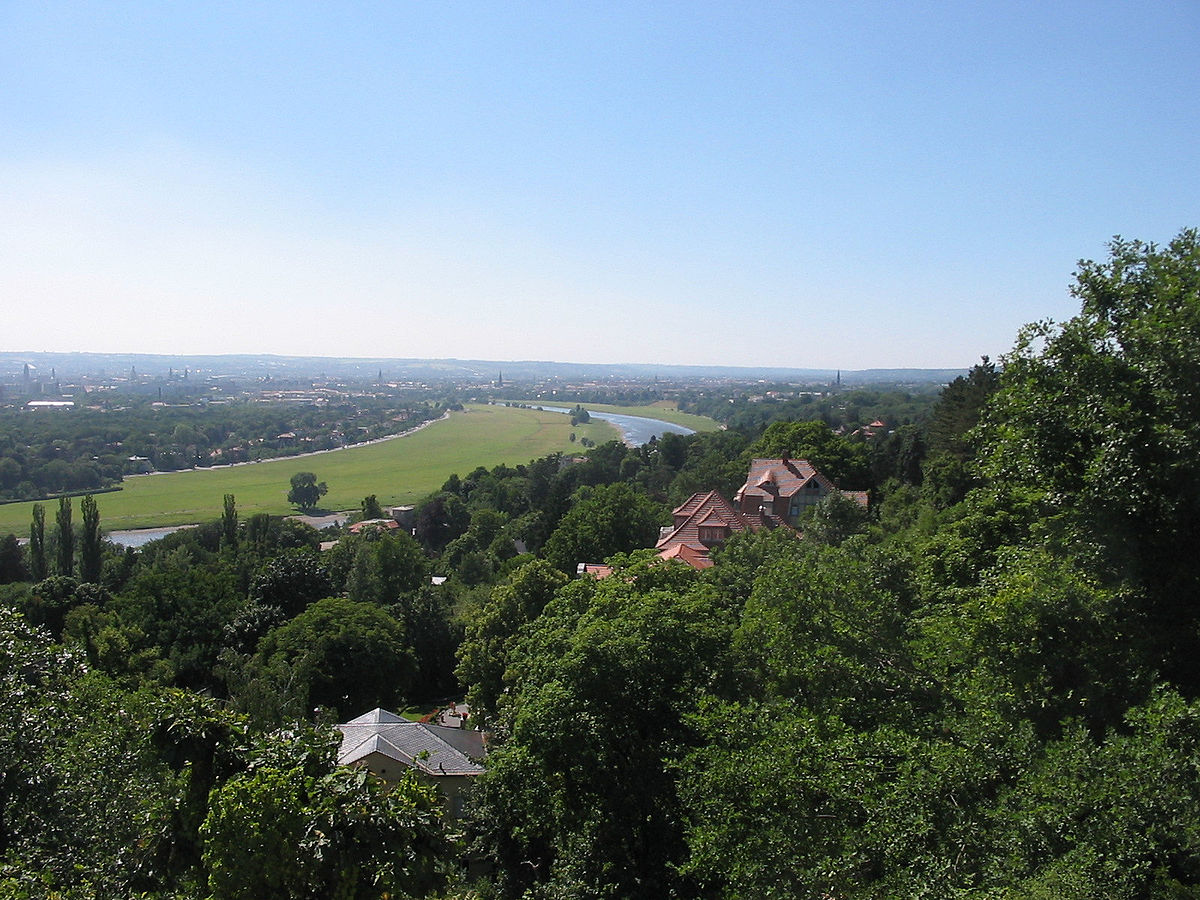
Dresden Elbe Valley
📍 Saxony, Germany
The Dresden Elbe Valley, a UNESCO World Heritage Site, is a cultural landscape that reflects the rich historical and artistic heritage of Saxony, …
Ehrenfriedersdorf Mining Landscape
📍 Saxony, Germany
The Ehrenfriedersdorf Mining Landscape, a significant cultural landscape in Germany, invites visitors to explore a rich history of mining that has …