Overview
The University and State Library RheinMain is a prominent cultural site located in Germany, serving as a vital resource for scholars, students, and the general public alike. Established in 2011, this library has quickly become an integral part of the academic and cultural landscape of the region. As a contemporary institution, it reflects a commitment to knowledge and learning, providing access to a vast array of resources that cater to diverse interests and studies.
Situated in the heart of Germany, the library not only functions as a repository of texts but also as a hub for educational and cultural activities. Its significance extends beyond mere books, as it fosters a community of learning and intellectual exchange. Visitors can expect a space that promises inspiration and exploration, making it a must-visit destination for anyone interested in the cultural dimensions of Germany’s scholarly pursuits.
History and Significance
While specific historical details about the University and State Library RheinMain are not extensively documented, its establishment in 2011 marked a pivotal moment in the evolution of library services in the region. The library was created to fulfill the educational needs of the University of Applied Sciences RheinMain, while also serving the broader public. This dual role underscores its importance as both an educational resource and a center for cultural engagement.
The library’s existence reflects a broader trend in library development that emphasizes accessibility, modern design, and the integration of technology in the learning process. It is a response to the changing landscape of information consumption, where digital resources are becoming increasingly relevant. As such, the University and State Library RheinMain not only preserves traditional literary collections but also embraces digital innovations, making it a forward-thinking institution.
In terms of cultural significance, the library contributes to the intellectual fabric of the region. It provides a space for research, study, and community events, thus fostering a culture of learning. The library’s collections include a variety of materials that cater to different fields of study, making it an essential resource for students and researchers. In this way, the library plays a crucial role in supporting academic excellence and promoting lifelong learning.
Architecture and Features
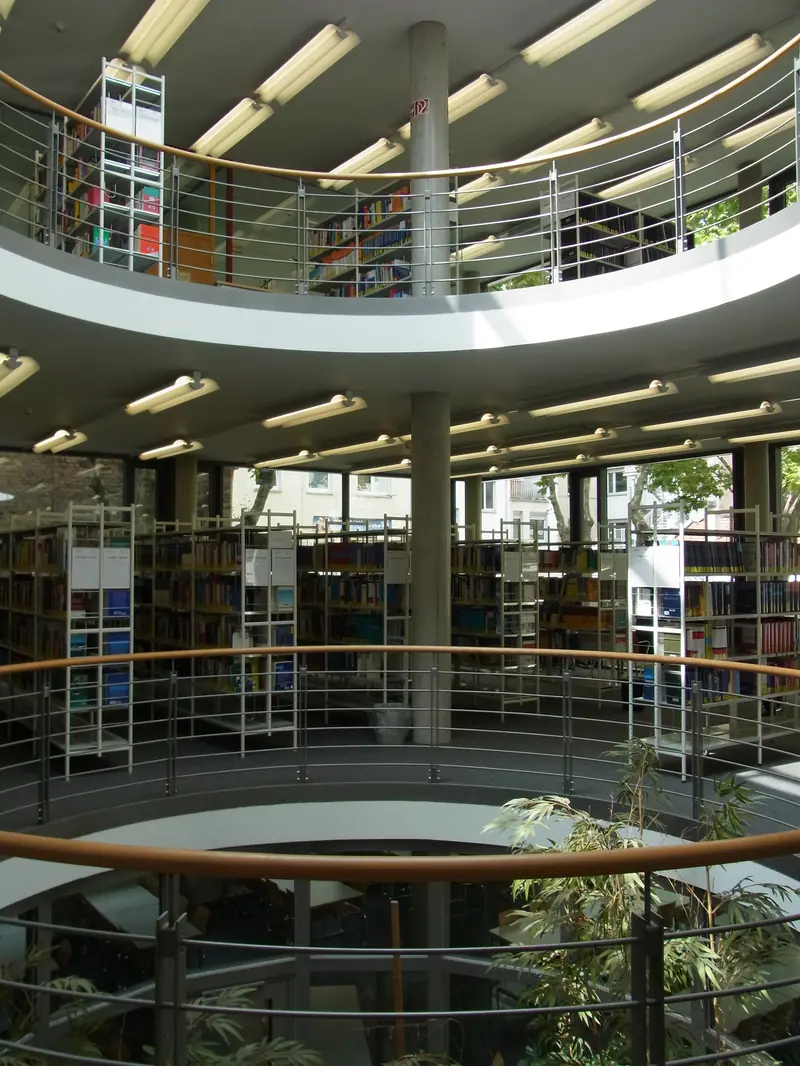
The design of the University and State Library RheinMain reflects contemporary architectural trends, favoring open spaces and accessibility. While specific details about the architectural style are not provided, modern libraries typically feature well-lit reading areas, comfortable seating, and study rooms that encourage collaboration and individual learning.
Inside the library, visitors can expect a variety of features that enhance the user experience. Spacious reading rooms provide a quiet environment for study, while areas designated for group work foster collaboration among students. Technological integrations, such as computer stations and digital resources, are likely to be present, aligning with the library’s mission to support contemporary educational needs.
The library also likely incorporates sustainable design principles, reflecting a growing awareness of environmental issues in modern architecture. Natural light, energy-efficient systems, and eco-friendly materials may be part of the building’s design, contributing to a pleasant and responsible environment for users.
Visiting Information
When planning a visit to the University and State Library RheinMain, it is important to consider transportation options. The library is centrally located, making it accessible via various forms of public transport, including buses and trains. Visitors are encouraged to check the official website for current information regarding operating hours and any entry fees, as these can vary.
Inside, guests can expect a welcoming atmosphere with a range of amenities designed to enhance their visit. The library often hosts events, lectures, and exhibitions, so checking the calendar of events on the official website can provide additional insights into what to expect during your visit.
A typical visit may last anywhere from one to several hours, depending on individual interests and the purpose of the trip. For those looking to immerse themselves in research or simply enjoy the library’s atmosphere, planning a longer stay is advisable. The best times to visit are usually during weekdays when the library is less crowded, allowing for a more peaceful experience.
Nearby Attractions
Museum Wiesbaden: Located just a short distance away, this museum features an extensive collection of art and cultural artifacts, making it a perfect complement to a day spent at the library.
Biebrich Palace: This stunning Baroque palace, set along the banks of the Rhine, offers beautiful gardens and a glimpse into the architectural history of the region.
Nerotalanlagen: A serene park area near the library, ideal for a leisurely stroll or a quiet moment of reflection after your library visit.
St. Elisabeth Church: An architectural highlight in the area, this church showcases impressive Gothic elements and offers a peaceful space for contemplation.
Mainz State Museum: Just a short journey away, this museum provides a broader context of the region’s history and culture, making it a worthwhile stop.
Insider Tips
For those looking to capture the essence of the University and State Library RheinMain through photography, be mindful of the library’s policies regarding photography. Generally, capturing the architectural features and interior spaces is encouraged, but it is advisable to check for any restrictions, especially during events.
To avoid crowds, consider visiting during mid-mornings or early afternoons on weekdays, as weekends and evenings can be busier. This will allow for a more relaxed experience while exploring the library’s offerings.
Practical Information
When planning your visit, it is advisable to bring along some essentials such as a notebook, pens, and a valid form of identification, which may be required for library access. Additionally, consider packing a light snack or water, as the library may not have extensive dining facilities on-site.
Seasonal considerations are also important; spring and autumn typically offer pleasant weather for exploring the surrounding area. During colder months, check for any special events that might take place indoors, allowing you to enjoy the library while staying warm.
Frequently Asked Questions
How long should I spend visiting?
The amount of time spent can vary, but a visit typically lasts between one to three hours, depending on your interests and research needs.
Is photography allowed?
Photography policies may vary, so it is best to check with the library staff or refer to the official website for specific guidelines.
Are there guided tours?
Guided tours may be offered, especially for larger groups or educational purposes. Check the official website for details on availability and scheduling.
What’s the best time to visit?
Weekdays, particularly mid-morning or early afternoon, are generally less crowded and ideal for a more enjoyable experience.
Is it wheelchair accessible?
The library is designed to be accessible to all visitors, including those with mobility challenges. Specific accessibility features can be confirmed on the official website.
Can I buy tickets online?
Information regarding ticket purchases can be found on the official website, where you can also check for any entry fees.
Are there restrooms and cafes?
Restroom facilities are typically available within the library. For cafes or dining options, check the official website for any on-site amenities or nearby establishments.
What should I wear?
Dress comfortably, keeping in mind that the library may have varying temperatures. Layers are recommended for a pleasant experience inside the building.



