
Uenglinger Tor
Overview
Uenglinger Tor, a remarkable city gate located in Stendal, Germany, stands as a striking reminder of the architectural prowess and historical significance of the late Middle Ages. This impressive structure serves as a gateway not only to the city but also to a rich narrative that whispers tales of the past. As one approaches this well-preserved monument, the intricate design and robust construction hint at the strategic importance it once held in the city’s defenses. Set against the backdrop of Stendal, known for its medieval charm, Uenglinger Tor invites visitors to explore the layers of history encapsulated within its walls.
The city of Stendal, situated in the northern part of Germany, offers a unique blend of heritage and culture. Uenglinger Tor is part of the city’s historical fabric, contributing significantly to its identity and allure. This gate, along with other structures in the vicinity, forms a cohesive narrative of the region’s past, making it an essential stop for history enthusiasts and casual tourists alike. Visitors can expect to engage with the site through a blend of architectural appreciation and historical insight, promising a memorable experience that connects them with the essence of Stendal.
History and Significance
The Uenglinger Tor serves as a significant historical landmark in Stendal, embodying the defense mechanisms of medieval urban settlements. City gates like Uenglinger Tor were not merely entrances; they were critical components of the city’s fortifications. They were designed to protect the inhabitants from potential invasions while also regulating trade and movement in and out of the city.
While specific dates and events related to the construction and usage of Uenglinger Tor are not detailed here, the architectural style suggests that it was built during a time when city gates played a vital role in the socio-economic and political landscape of the region. The gate’s presence indicates that Stendal was a city of importance, likely involved in trade routes and regional governance.
Moreover, Uenglinger Tor is part of a broader historical context that includes various other structures and remnants of Stendal’s medieval past. The gate’s endurance through the centuries reflects not only the architectural techniques of the time but also the community’s efforts to preserve their heritage. As such, it stands as a significant cultural marker, offering insights into the daily lives of the people who once traversed its passage.
Architecture and Features
Uenglinger Tor is characterized by its late medieval architectural style, marked by sturdy construction and decorative elements that reflect the era’s design sensibilities. The gate features robust stonework that has withstood the test of time, showcasing the craftsmanship of the artisans who built it. The entrance is likely framed by imposing arches that would have served both a functional and aesthetic purpose, creating a grand approach to the city.
One notable feature of Uenglinger Tor is its strategic design, which would have included defensive mechanisms to deter invaders. As with many city gates of this period, it may have had features such as loopholes or machicolations, allowing defenders to protect the city effectively. The gate’s scale and proportions also reflect its importance within the urban fabric, as it would have been a focal point for both residents and visitors.
In addition to its defensive architecture, the gate may include decorative motifs or carvings that tell stories or symbolize the city’s identity. These details offer visitors a glimpse into the artistic expressions of the time, enriching the overall experience of engaging with this historical structure.
Visiting Information
Visitors to Uenglinger Tor can expect an enriching experience that combines history with an architectural marvel. The site is accessible via public transportation, with various options available for those traveling from nearby towns or cities. Check the official website for current information regarding hours and prices, as these may vary based on the season or specific events.
When planning a visit, it is advisable to allocate sufficient time to fully appreciate the gate and its surroundings. A visit of approximately one to two hours should allow for a thorough exploration of the site and the opportunity to capture photographs. The best times to visit Uenglinger Tor are typically during the spring and early autumn months when the weather is pleasant, and the surrounding area is vibrant with local life.
While visiting, expect to find informative signage that provides context and details about the gate’s history and significance. Engaging with these resources can enhance your understanding and appreciation of the site.
Nearby Attractions
Stendal is home to various attractions that complement a visit to Uenglinger Tor. Here are a few notable nearby sites:
St. Nicholas Church - This stunning Gothic church, located just a short walk from Uenglinger Tor, features impressive architecture and intricate stained glass windows.
The Old Market Square - An essential gathering place in Stendal, this vibrant square is surrounded by historical buildings and offers a glimpse into the city’s social life.
Historical Museum Stendal - This museum provides deeper insights into the local history and cultural heritage, showcasing artifacts and exhibitions related to the region.
Stendal City Hall - A fine example of Renaissance architecture, the City Hall is a significant landmark worth visiting for its historical and architectural value.
The Town Wall - Portions of the original town wall that once protected Stendal can still be seen, offering another layer of historical context to your visit.
Insider Tips
For those looking to capture the essence of Uenglinger Tor through photography, consider visiting during the early morning or late afternoon when the light is softer. This can enhance the texture of the stone and highlight the architectural details. Additionally, exploring the area during weekdays may provide a quieter experience, allowing for more intimate interactions with the site without the crowds typically found on weekends.
While visiting, take a moment to step back and observe the gate from different angles to appreciate its grandeur and the intricate details that might be missed at first glance.
Practical Information
When planning your visit to Uenglinger Tor, it’s advisable to bring along essentials such as water, comfortable walking shoes, and a camera to document your experience. Depending on the time of year, consider dressing in layers, as weather conditions can vary.
It’s also worth checking for any events or exhibitions that might be taking place at the gate or nearby, as these can enhance your visit and provide additional context to your experience.
Frequently Asked Questions
How long should I spend visiting?
A visit to Uenglinger Tor generally takes about one to two hours, allowing time for exploration and photographs.
Is photography allowed?
Yes, photography is typically allowed, so be sure to bring your camera to capture the architectural beauty of the gate.
Are there guided tours?
While specific details about guided tours are not provided here, it’s advisable to check the official website for any available options.
What’s the best time to visit?
The best time to visit is usually during the spring and early autumn when the weather is pleasant.
Is it wheelchair accessible?
Check the official website for current accessibility information regarding Uenglinger Tor.
Can I buy tickets online?
For the most accurate and up-to-date information regarding ticket purchases, please check the official website.
Are there restrooms and cafes?
Information on facilities such as restrooms and cafes can be confirmed through the official website.
What should I wear?
Dress comfortably and in layers to accommodate changing weather conditions during your visit.
In summary, Uenglinger Tor is not just a city gate but a portal into the past, inviting exploration and reflection amid the historical landscape of Stendal.
More in Brandenburg
Agnetenkloster
📍 Brandenburg, Germany
Agnetenkloster, a former monastery located in the heart of Magdeburg, Germany, invites visitors to explore its serene ambiance and historical …

Agroneum
📍 Brandenburg, Germany
Agroneum is a museum located in the serene landscape of Alt Schwerin, Germany. This establishment serves as a vibrant hub for those interested in the …

Alexander Nevsky Memorial Church
📍 Brandenburg, Germany
The Alexander Nevsky Memorial Church in Potsdam, Germany, offers visitors a unique glimpse into the city’s cultural and religious heritage. This …
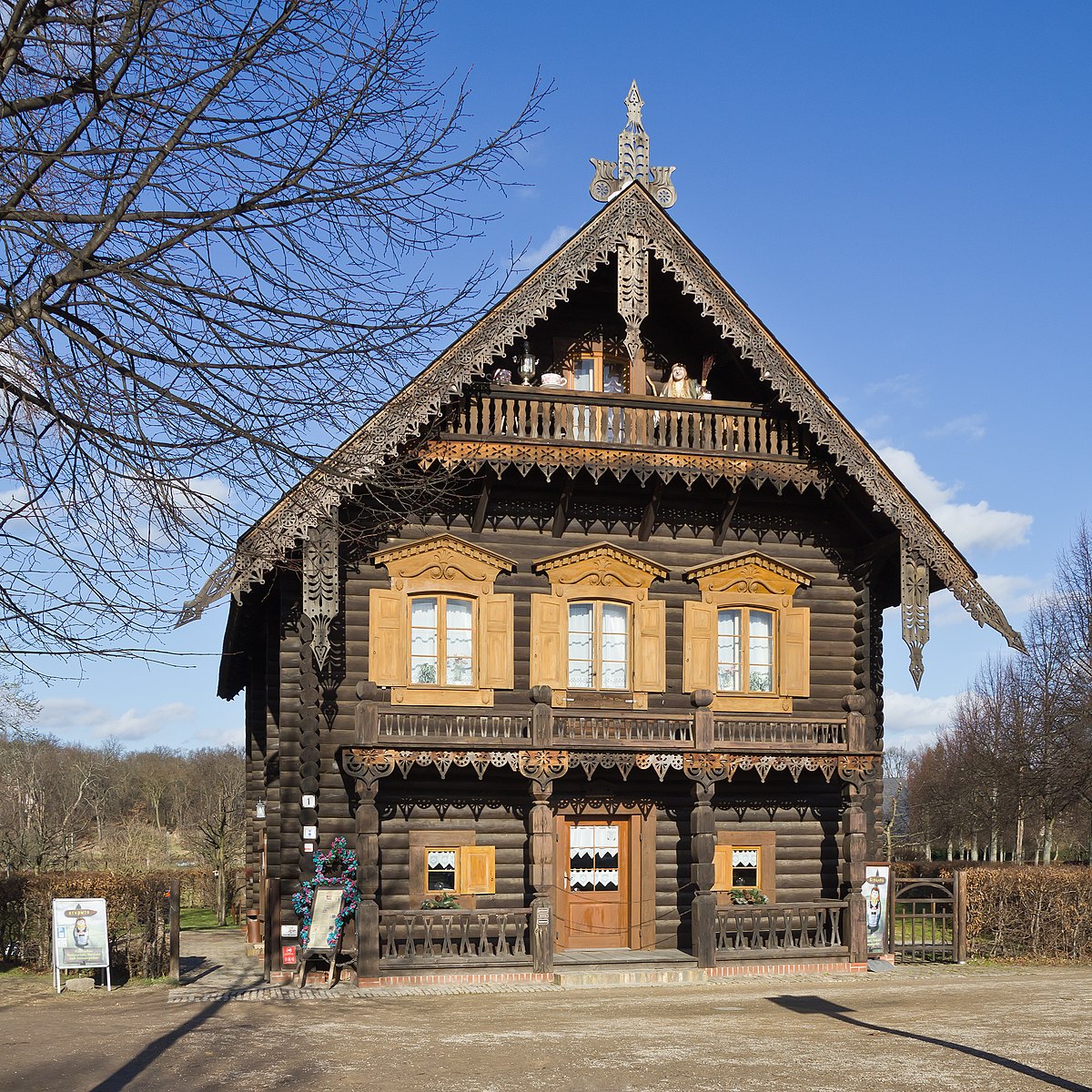
Alexandrowka
📍 Brandenburg, Germany
Located in the picturesque city of Potsdam, Germany, Alexandrowka is an intriguing architectural ensemble that reflects a unique blend of Russian and …

Alte Burg Penzlin
📍 Brandenburg, Germany
Alte Burg Penzlin, a captivating castle located in the quaint town of Penzlin, Germany, serves as a remarkable example of medieval architecture and …

Alte Dorfkirche Röxe
📍 Brandenburg, Germany
The Alte Dorfkirche Röxe stands as a poignant symbol of architectural and cultural history in the Stendal region of Germany. This church building, …
More City Gates

Adalbertstor
📍 North Rhine-Westphalia, Germany
Adalbertstor is a remarkable city gate located in Aachen, Germany, that plays a significant role in the architectural and historical landscape of the …
Affentor
📍 Hesse, Germany
Affentor, the southernmost of the medieval city gates of Frankfurt am Main, serves as a historical marker of the city’s rich past and architectural …
Altes Brücktor
📍 Brandenburg, Germany
Altes Brücktor, once a prominent city gate in the heart of Magdeburg, carries with it the weight of a rich historical narrative intertwined with the …

Angertor (München)
📍 Bavaria, Germany
The Angertor, an iconic city gate located in the historic Altstadt-Lehel district of Munich, serves as a striking reminder of the city’s medieval …

Anklam Gate of Usedom City
📍 Mecklenburg-Vorpommern, Germany
The Anklam Gate of Usedom City stands as a significant architectural feature within the historical landscape of Usedom, Germany. This city gate, a …

Anklamer Tor
📍 Mecklenburg-Vorpommern, Germany
The Anklamer Tor, a historic city gate located in the Friedland region of Germany, serves as a fascinating portal into the architectural and cultural …