Overview
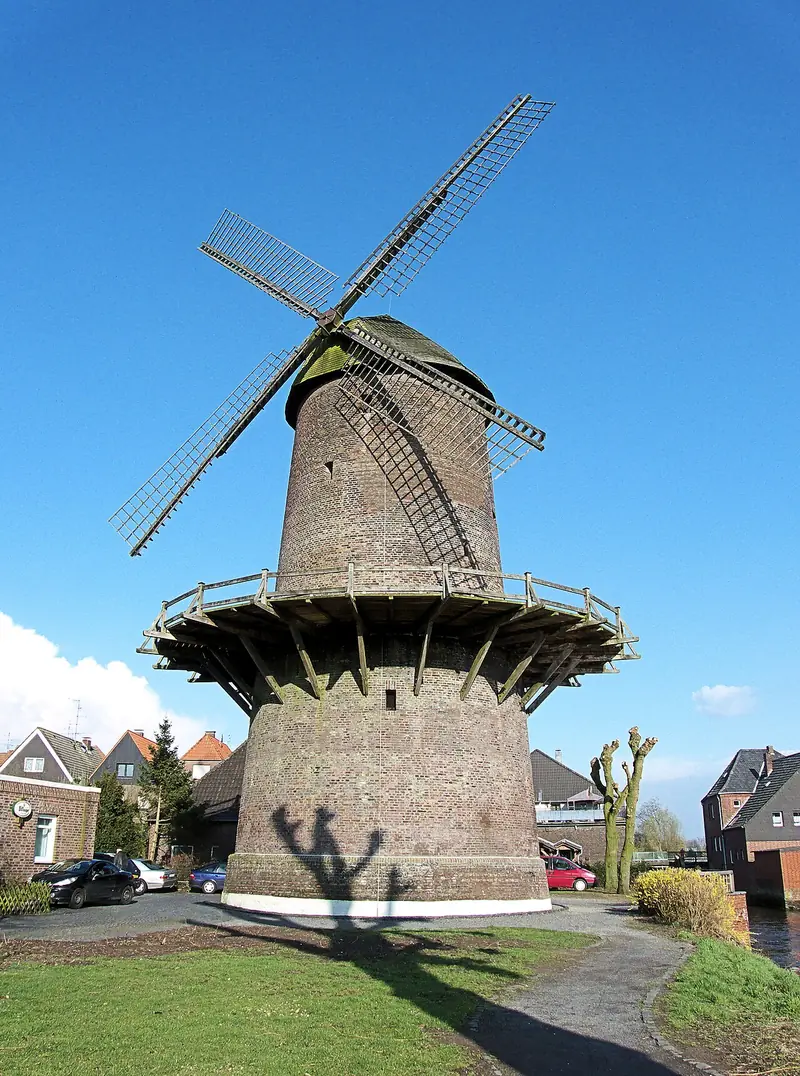
The Turmwindmühle Werth is a historic windmill located in the charming district of Werth, part of the city of Isselburg in North Rhine-Westphalia, Germany. This remarkable structure stands near the banks of the River Issel, embodying the industrial heritage of the region. As one of the few remaining traditional windmills in this area, it serves as a vital link to the past, showcasing the ingenuity of early agricultural practices and the significance of wind energy in rural Germany. Visitors to the Turmwindmühle are not only greeted with a glimpse of a unique architectural style but also an opportunity to understand the pivotal role windmills played in shaping local economies and communities.
The location of the windmill in the scenic countryside adds to its appeal, making it an interesting stop for those exploring the region. The Turmwindmühle Werth invites visitors to discover its historical context and architectural features, all while enjoying the serene landscape that surrounds it.
History and Significance
Windmills have long been integral to agricultural societies, particularly in Europe, where they harnessed wind power to grind grain and perform other essential tasks. The Turmwindmühle Werth, with its distinctive tower design, exemplifies the technological advancements of its time. Though specific dates regarding its construction are not detailed, the windmill reflects the traditional craftsmanship of the era and is representative of the industrial heritage within North Rhine-Westphalia.
The significance of the Turmwindmühle extends beyond its functional purpose. It stands as a symbol of the rural lifestyle and the ways in which communities adapted to their environments. Windmills like this one contributed significantly to local economies by providing a means to process grain, which was essential for sustenance and trade. In many ways, the windmill was a community hub, bringing people together not just to work but to share knowledge and culture.
The preservation of the Turmwindmühle Werth highlights the importance of maintaining industrial heritage sites. As modern technology has replaced many traditional methods, structures like the Turmwindmühle serve as reminders of the past and educate future generations about the history of energy use and agricultural practices.
Architecture and Features
The Turmwindmühle Werth features a classic design that is characteristic of traditional German windmills. Its tall, cylindrical structure is built to maximize the capture of wind, which is essential for its operational efficiency. The windmill’s design includes large sails that are pivotal in harnessing wind energy, allowing the mill to perform its grinding functions.
While specific architectural details may not be extensively documented, the overall construction reflects the craftsmanship of its time, utilizing local materials that blend seamlessly with the surrounding landscape. The windmill’s height and structure allow for an elevated position, making it an impressive sight against the backdrop of the German countryside.
Visitors will notice the operational mechanisms that have been preserved, showcasing the engineering ingenuity of past generations. The interior of the windmill typically contains various milling equipment and machinery that were once essential for grain processing, offering insights into the milling process and the daily life of those who operated it.
Visiting Information
When planning a visit to the Turmwindmühle Werth, travelers will find it conveniently located in the picturesque region of North Rhine-Westphalia. Getting there can involve various modes of transport, with options for driving or utilizing local public transportation. The coordinates for the windmill are 51.818889, 6.507778, providing an accurate reference for navigation.
While specific hours of operation and ticket prices can fluctuate, it is advisable to check the official website for current information to ensure a smooth visit. The windmill typically offers a unique experience that can be explored in approximately one to two hours, giving visitors ample time to appreciate its historical and architectural significance.
The best times to visit the Turmwindmühle are during the spring and summer months when the weather is pleasant, and the surrounding landscape is in full bloom. This timing enhances the overall experience, allowing visitors to enjoy the natural beauty of the area.
Nearby Attractions
After visiting the Turmwindmühle Werth, consider exploring other attractions in the vicinity:
Isselburg Town Center: A short drive away, this charming town offers a variety of shops and cafés, perfect for a leisurely stroll.
Schloss Anholt: Approximately 10 kilometers from the windmill, this historic castle features beautiful gardens and a museum, making it a great addition to your itinerary.
The River Issel: Ideal for nature lovers, the river provides opportunities for walking, cycling, and enjoying the local flora and fauna.
Burg Vischering: Located a bit further away, this medieval castle is worth a visit for its stunning architecture and historical significance.
The Lower Rhine Region: Known for its picturesque landscapes, this entire area offers numerous outdoor activities and cultural sites to explore.
Insider Tips
For photography enthusiasts, the Turmwindmühle Werth presents many captivating angles. Early morning or late afternoon light can create stunning photographs, capturing the windmill against a backdrop of changing skies. It’s best to arrive early to avoid crowds, especially during weekends or holidays when the site may attract more visitors.
If you wish to engage more deeply with the site, consider visiting on a weekday when it is likely to be quieter. This will allow for a more personal experience and the chance to appreciate the windmill’s history without the distraction of large groups.
Practical Information
When preparing for your visit to the Turmwindmühle Werth, consider bringing along essentials such as water, a camera, and comfortable walking shoes. The site may require some walking to fully appreciate its surroundings.
Seasonal considerations are important as well; during the spring and summer months, the area is lively and the weather generally favorable for outdoor exploration. However, in the fall and winter, visitors should be prepared for cooler temperatures and possibly inclement weather.
Frequently Asked Questions
How long should I spend visiting?
Visitors typically spend about one to two hours at the Turmwindmühle Werth to fully appreciate the site and its surroundings.
Is photography allowed?
Yes, photography is generally permitted, so feel free to capture the unique architectural features of the windmill.
Are there guided tours?
Check the official website for information on whether guided tours are available during your visit.
What’s the best time to visit?
The spring and summer months are ideal for visiting, as the weather is pleasant and the landscape is vibrant.
Is it wheelchair accessible?
Accessibility information may vary, so it is best to check the official website for details regarding wheelchair access.
Can I buy tickets online?
Ticket purchasing options may differ, so check the official website for current methods of obtaining tickets.
Are there restrooms and cafes?
Facilities may be limited, so it is advisable to check the official website for information on available amenities.
What should I wear?
Dress comfortably and consider weather conditions, especially if you plan to explore the surrounding area. Comfortable shoes are recommended for walking.
Visiting the Turmwindmühle Werth offers a unique chance to connect with Germany’s industrial heritage while enjoying the tranquil beauty of the region. Whether you are a history buff, an architecture lover, or simply seeking a peaceful outing, this historic windmill promises an engaging experience.



