Overview
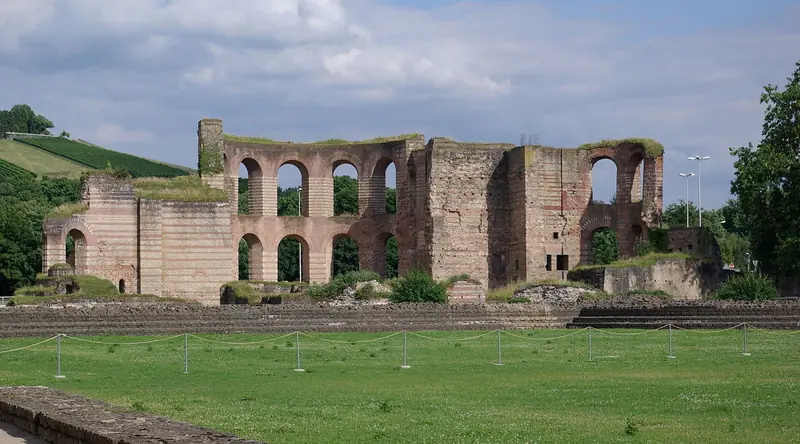
Imagine stepping into the remnants of a grand Roman bathing complex that once served as a social hub for citizens of ancient Trier. The Trier Imperial Baths, a UNESCO World Heritage Site located in the heart of Germany’s Rhineland-Palatinate region, reveal layers of history etched into their stone walls. This archaeological site invites you to explore the grandeur of Roman engineering and the lifestyle of a civilization that thrived over centuries.
Situated at coordinates 49.7497, 6.64222, the baths are strategically located within the ancient city of Trier, one of the oldest cities in Germany. As you approach, you’ll find the surrounding landscape enriched with historical significance, offering a glimpse into the urban planning and architectural achievements of the Roman Empire. The site not only showcases the remnants of an important public facility but also stands as a testament to the cultural and social life that flourished here.
Visitors to the Trier Imperial Baths will uncover the remnants of lavish rooms, intricate heating systems, and the immense scale of the complex. This exploration offers insight into the daily lives and social customs of Roman citizens, making it a significant stop for anyone interested in history and archaeology.
History and Significance
The Trier Imperial Baths date back to the Roman Empire, representing a vital aspect of the city’s history. Over centuries, these baths served not just as a place for bathing but also as a social center where citizens gathered to relax and engage with one another. The structure reflects the Roman commitment to public health and hygiene, showcasing advanced engineering techniques of the time, particularly in their innovative hypocaust heating systems.
Historically, the baths were part of a larger complex that included various facilities, contributing to the urban fabric of Trier. The baths exemplified the architectural prowess of the Romans, integrating functionality with aesthetic appeal. This site was crucial in promoting social interaction among the inhabitants, playing a significant role in the communal life of ancient Trier.
As a UNESCO World Heritage Site, the Trier Imperial Baths hold cultural importance as a symbol of Roman influence in Northern Europe. They provide essential insights into the daily practices and social structures of a civilization that laid the groundwork for modern European culture. The preservation of this site allows contemporary visitors to connect with the past and appreciate the historical significance of Roman public baths.
Architecture and Features
The architectural features of the Trier Imperial Baths are a clear reflection of Roman ingenuity and aesthetic sensibility. The complex is designed in a way that emphasizes functionality while also creating an atmosphere of grandeur. Visitors can examine the extensive ruins, which include large vaulted chambers, intricate heating systems, and the remains of beautifully decorated walls.
One of the most notable aspects of the baths is the hypocaust system. This ingenious method of heating the floors and walls involved circulating hot air from a furnace beneath the building, allowing for a warm and comfortable environment. As you explore, pay close attention to the remnants of the heating ducts, which reveal the sophistication of Roman engineering.
The scale of the baths is impressive, with large open spaces that once accommodated numerous bathers at once. The layout likely included various rooms designated for specific purposes, such as hot baths, cold baths, and exercise areas. As you navigate through the ruins, you can visualize the vibrant social interactions that took place within these walls, bringing the rich history of Trier to life.
Visiting Information
Visiting the Trier Imperial Baths is an enriching experience for those interested in history and archaeology. To reach the site, various transport options are available throughout the region. Public transportation, including buses and trains, connects visitors to the site from nearby areas, allowing for convenient access.
For an optimal experience, check the official website for current opening hours. Admission prices may vary, so visiting the official website for current admission prices is essential. During your visit, you can expect a well-preserved archaeological site that encourages exploration and reflection.
Typically, visitors spend around 1-2 hours at the baths, allowing ample time to take in the vast history and architectural details. Mornings often present fewer crowds, making it an ideal time to explore. Spring and fall are particularly pleasant seasons for visiting, as the weather is generally mild.
When planning your visit, consider accessibility. While the site is primarily outdoor with some uneven surfaces, it may present challenges for visitors with mobility issues.
Nearby Attractions
While the Trier Imperial Baths are a captivating destination in their own right, several nearby attractions complement your visit.
Porta Nigra: This ancient Roman city gate, one of Trier’s most iconic landmarks, is a short distance from the baths. Its impressive stone architecture and historical significance make it a must-see.
Trier Cathedral: Just a stone’s throw away, this magnificent cathedral showcases both Romanesque and Gothic architectural styles. A visit here allows you to appreciate the religious and cultural heritage of the city.
Roman Amphitheater: This ancient structure once hosted gladiatorial contests and other public events. Today, it provides insight into the entertainment and social life of the Romans.
Basilica of Constantine: Known for its vast hall, this basilica is one of the largest surviving structures from the Roman era in Germany. Its impressive size and historical significance make it an essential stop.
Trier’s Old Town: Strolling through the charming streets of Trier’s Old Town offers a delightful contrast to the archaeological sites. Enjoy local cafes, shops, and the vibrant atmosphere of this historic area.
Insider Tips
To make the most of your visit to the Trier Imperial Baths, consider these insider tips. The best photography spots are often found in the early morning light, highlighting the intricate details of the ruins. Look for unique angles that capture the vastness of the complex.
While exploring, pay attention to lesser-known details, such as the remnants of the heating system and the layout of the baths. These aspects reveal the sophistication of Roman engineering.
To avoid crowds, plan your visit during weekdays or early in the day. Engaging with the site during quieter moments allows for a more reflective experience.
Local tips suggest bringing a water bottle, especially on warmer days, as you may want to take your time exploring the extensive site. Comfortable shoes are essential for navigating uneven surfaces.
Practical Information
When preparing for your visit to the Trier Imperial Baths, keep in mind several practical considerations. Check the official website for current information on hours and admission prices, as this can vary.
It’s advisable to dress comfortably, as you will likely spend a significant amount of time walking through the site. Seasonal weather can affect your experience, so check forecasts beforehand.
Bringing a camera is recommended to capture the intricate details of the baths and the surrounding area. A portable charger for your devices is also a good idea, as you may want to take plenty of photos during your visit.
Frequently Asked Questions
How long should I spend visiting?
You should plan to spend around 1-2 hours at the Trier Imperial Baths, which allows sufficient time to explore the ruins and appreciate their historical significance.
Is photography allowed inside?
Photography is generally allowed, but be mindful of any specific guidelines provided at the site.
Are there guided tours available?
Check the official website for current information regarding guided tours, as they may be offered to enhance your experience.
What’s the best time of day to visit?
Visiting early in the morning is often ideal for avoiding crowds and enjoying a more peaceful atmosphere.
Is the site wheelchair accessible?
The site may present challenges for visitors with mobility issues due to uneven surfaces. It’s advisable to check for specific accessibility information.
Can I buy tickets online?
For the latest information on ticket purchasing options, visit the official website or contact the site directly.
Are there facilities like restrooms and cafes?
Facilities may be available at or near the site, but it’s best to check the official website for the latest details.
What should I wear when visiting?
Comfortable clothing and footwear are recommended, as you will be exploring an archaeological site with uneven terrain.



