Overview
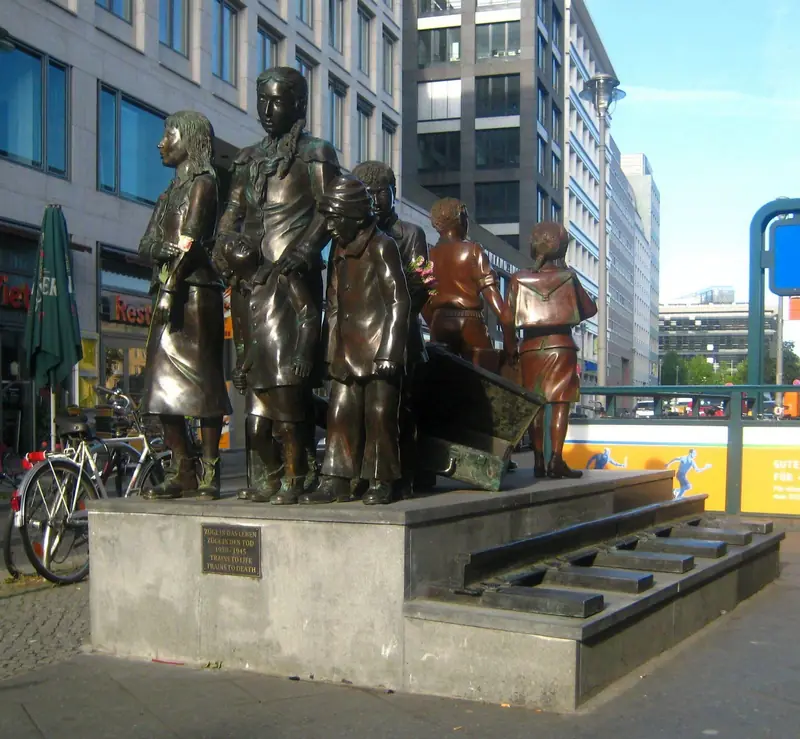
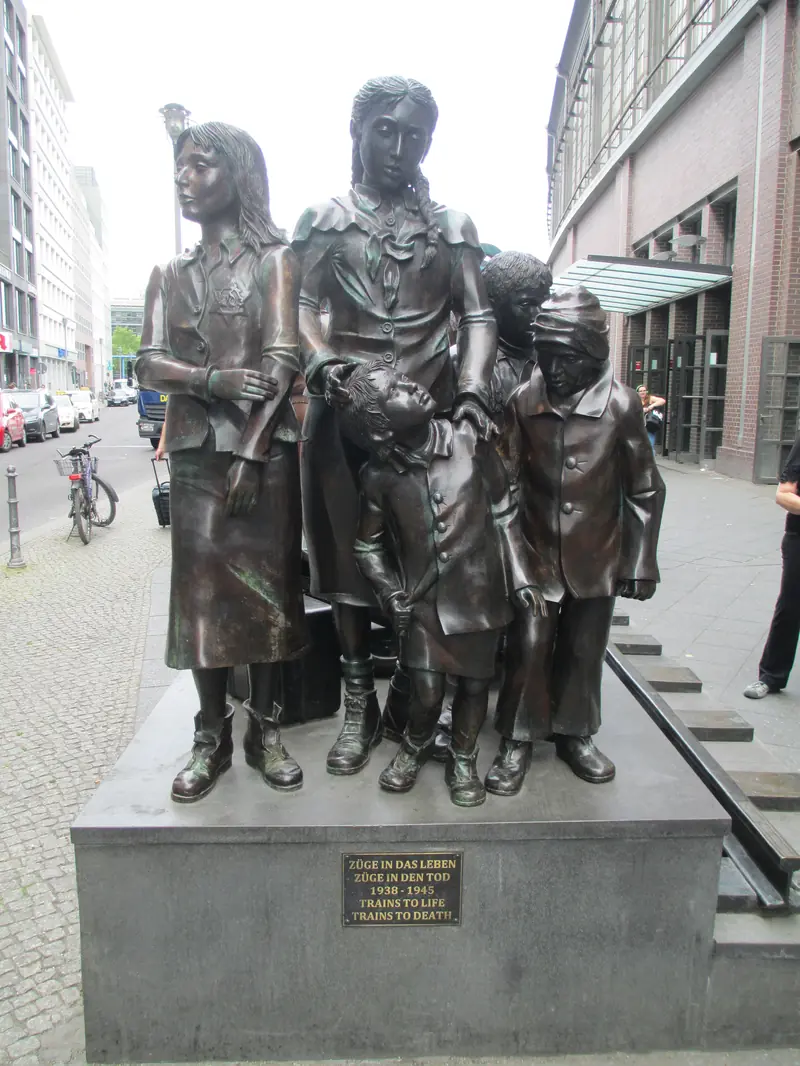
In the heart of Berlin lies a poignant monument that pays homage to the lives lost during the Holocaust: Trains to Life – Trains to Death. This striking memorial serves as a reminder of the tragic journeys taken by countless individuals during one of history’s darkest periods. With its compelling design and emotional resonance, it stands as a powerful symbol of both suffering and resilience. The monument is part of Berlin’s broader narrative as a center of memory and reflection on human rights and historical injustices.
Located at the coordinates 52.519847, 13.387743, this site is easily accessible for those wishing to pay their respects and engage with the narrative it represents. The significance of this monument extends beyond its physical presence; it embodies a collective commitment to remembering the past and ensuring that such atrocities are never repeated. For visitors, Trains to Life – Trains to Death offers an opportunity to confront the complexities of history while fostering a deeper understanding of the human experience.
History and Significance
The Trains to Life – Trains to Death memorial is deeply embedded in the historical context of World War II and the Holocaust. It serves as a reminder of the train transport system used by the Nazis to forcibly relocate and deport Jewish individuals and other marginalized groups to concentration camps. The trains symbolize both the hope for life and the tragic reality of death, encapsulating the duality of the human experience during a time of great turmoil.
This memorial not only acknowledges the horror of the Holocaust but also highlights the importance of remembrance. It is part of a larger movement in Germany and around the world to confront the past and educate future generations about the dangers of hatred and intolerance. The design of the monument encourages reflection and serves as a call to action against discrimination and violence in all forms.
Visitors to the site may find themselves moved by the stories of those who traveled on these trains, often unaware of the fate that awaited them. The memorial invites contemplation and encourages a deeper understanding of the history it represents, making it an essential stop for anyone interested in the socio-political landscape of Germany and the broader implications for humanity.
Architecture and Features
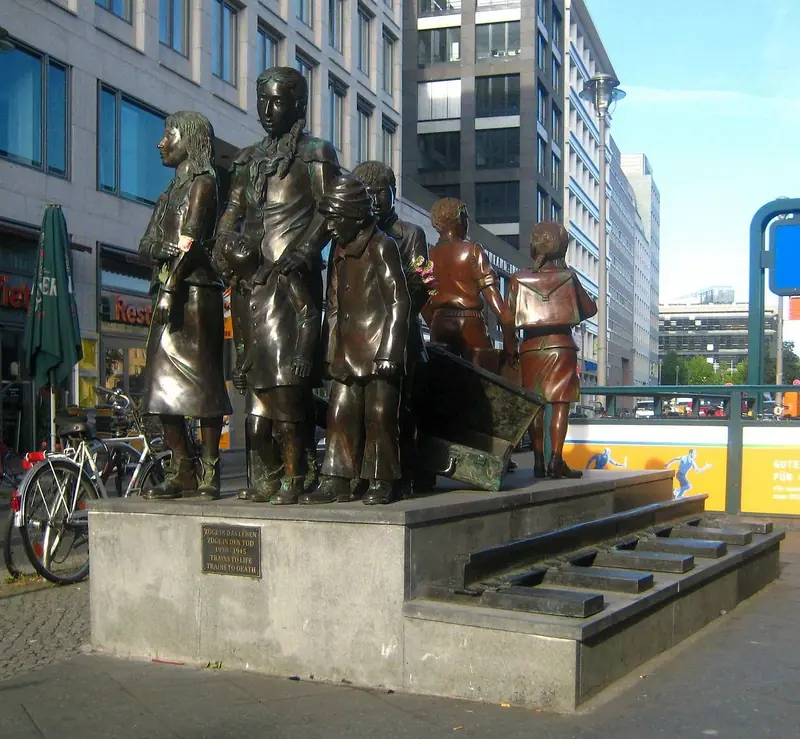
The Trains to Life – Trains to Death memorial is characterized by its striking and evocative design. While specific architectural elements may not be detailed, the sculpture effectively captures the essence of the experiences it commemorates. The monument combines artistic expression with historical significance, serving as a focal point for reflection and remembrance.
Visitors will find that the design encourages interaction, allowing individuals to approach and engage with the sculpture in a personal manner. The use of materials and form contributes to the overall impact of the memorial, making it a powerful visual representation of the themes of life, death, and remembrance.
Notable features include the symbolic representation of trains, which serve as a reminder of the journeys taken by those affected by the Holocaust. The monument’s placement within the urban landscape of Berlin further enhances its significance, inviting passersby to engage with its message and reflect on the history it embodies.
Visiting Information
To visit Trains to Life – Trains to Death, travelers can easily reach the monument via public transport, as Berlin’s extensive network of buses, trams, and trains provides convenient access to the site. It is advisable to check the official website for current information regarding hours of operation and any potential entrance fees.
When planning your visit, it is recommended to allocate sufficient time for reflection and exploration, as the emotional weight of the memorial may require a moment of contemplation. Depending on individual interests, visiting the monument could take anywhere from 30 minutes to a couple of hours.
The best times to visit are generally during weekdays when there may be fewer crowds, allowing for a more intimate experience with the memorial. Early mornings or late afternoons can also offer a quieter atmosphere for reflection.
Nearby Attractions
While visiting Trains to Life – Trains to Death, consider exploring these nearby attractions that contribute to Berlin’s rich historical and cultural landscape:
Topography of Terror: This outdoor and indoor history museum is located on the site of the former SS and Gestapo headquarters, providing insight into the Nazi regime’s crimes.
Berlin Wall Memorial: A significant historical site that offers an overview of the Berlin Wall’s history, featuring a preserved section of the wall and an outdoor exhibition.
Memorial to the Murdered Jews of Europe: This iconic memorial, designed by architect Peter Eisenman, consists of over 2,700 concrete slabs and serves as a tribute to the victims of the Holocaust.
Checkpoint Charlie: Once a prominent crossing point between East and West Berlin during the Cold War, this site now features a museum that highlights the history of the Berlin Wall.
Potsdamer Platz: A bustling square that showcases modern Berlin, with shopping, dining, and entertainment options, providing a contrast to the solemnity of the neighboring memorials.
Insider Tips
When visiting Trains to Life – Trains to Death, consider bringing a camera to capture the powerful imagery of the memorial. However, be respectful of the solemnity of the site and avoid disruptive photography.
To avoid larger crowds, plan your visit during weekdays or during non-peak hours, such as early mornings or late afternoons. This allows for a more personal experience and greater opportunity for contemplation.
Practical Information
When preparing for your visit to Trains to Life – Trains to Death, it’s advisable to wear comfortable shoes, as you may be walking through the surrounding area to explore other attractions. Given Berlin’s variable weather, layering clothing is recommended to stay comfortable throughout the day.
While the memorial is free to visit, it’s a good idea to bring a small amount of cash for potential donations or for visiting nearby cafes and shops.
Seasonal considerations include visiting during the spring or fall for milder weather, allowing for a more pleasant experience as you navigate the area.
Frequently Asked Questions
How long should I spend visiting?
A visit typically takes between 30 minutes to a couple of hours, depending on your level of engagement and reflection.
Is photography allowed?
Photography is permitted; however, visitors are encouraged to be respectful of the memorial’s solemn nature.
Are there guided tours?
Currently, specific guided tour information is not provided. Check local resources for potential guided options in the area.
What’s the best time to visit?
To avoid crowds, consider visiting on weekdays or during early mornings and late afternoons.
Is it wheelchair accessible?
Accessibility details are not specified; check the official website for current information regarding access.
Can I buy tickets online?
There is no entrance fee for the memorial, but check the official website for any additional information regarding nearby attractions.
Are there restrooms and cafes?
While the memorial itself may not have facilities, nearby attractions typically offer restrooms and dining options.
What should I wear?
Wear comfortable clothing and shoes suitable for walking. Dress in layers to accommodate changing weather conditions.
By visiting Trains to Life – Trains to Death, you engage with an essential part of Berlin’s history and contribute to the ongoing conversation about remembrance and resilience.
Photo Gallery