
Torgau memorial site. Judicial injustice – dictatorship – resistance
Overview
The Torgau memorial site, located within the historic Hartenfels Castle in Torgau, Germany, serves as a poignant reminder of the struggles against judicial injustice and dictatorship. This museum encapsulates a critical narrative of resistance that resonates deeply in contemporary discussions about human rights and the rule of law. Situated in the heart of Saxony, Torgau is steeped in a history that intertwines with significant events from both World War II and the Cold War, making it an essential stop for those interested in Germany’s complex past.
As visitors step into the memorial, they are greeted by a permanent exhibition that thoughtfully presents the dark realities faced by individuals under oppressive regimes. The site not only educates but also encourages reflection on the costs of silence and complicity in the face of injustice. By engaging with the stories and artifacts presented here, visitors gain insight into the courage required to resist tyranny.
Whether you’re a history enthusiast or simply looking to understand more about the implications of past injustices on today’s society, the Torgau memorial offers a compelling experience. Expect to encounter a blend of educational content and emotional resonance as you traverse the halls of Hartenfels Castle, exploring the narratives that shaped a nation and continue to influence the world today.
History and Significance
The Torgau memorial site stands within Hartenfels Castle, a structure with roots tracing back to the 15th century, which has witnessed pivotal moments in German history. Over the centuries, Torgau transformed from a local stronghold to a significant player in the broader narrative of resistance against tyranny. The site is intrinsically linked to the historical struggles for justice and human rights, particularly during the era of National Socialism and the subsequent division of Germany.
The museum’s focus on judicial injustice highlights the experiences of those persecuted under totalitarian regimes. It addresses the complexities of law and morality within oppressive systems, where the courtroom became a tool for oppression rather than justice. By showcasing the stories of individuals who stood against these injustices, the memorial serves as a powerful educational tool, fostering a deeper understanding of the consequences of political repression.
Moreover, the significance of Torgau extends beyond its local context. It is emblematic of the broader European narrative concerning the fight for civil liberties and the ongoing quest to ensure that such injustices are not repeated. The memorial site encourages visitors to engage with the past actively, prompting discussions about the importance of vigilance in the defense of freedom and human rights.
Architecture and Features
Hartenfels Castle, the physical home of the Torgau memorial site, is an impressive Gothic structure that reflects the architectural styles of various periods. The castle features a blend of medieval and Renaissance elements, with its distinctive towers and intricate facades drawing the eye. The site is not only significant for its historical content but also for its architectural grandeur.
Inside, the permanent exhibition is designed to guide visitors through the themes of judicial injustice, dictatorship, and resistance. The layout of the museum is both informative and evocative, allowing for a comprehensive understanding of the narratives presented. Various artifacts, documents, and multimedia installations contribute to a rich educational experience, enhancing the storytelling aspect of the site.
Notable features within the exhibition include personal accounts from victims of oppression, which serve to humanize the broader historical context. These accounts are complemented by visual displays that illustrate the impact of totalitarian regimes on everyday lives. The thoughtful curation of the museum ensures that visitors leave with a profound awareness of the importance of justice and the consequences of remaining silent in the face of wrongdoing.
Visiting Information
Reaching the Torgau memorial site is straightforward, with various transport options available for visitors. The museum is located in Torgau, easily accessible by car or public transport from major nearby cities. The coordinates for navigation are 51.5590277, 13.0091885, providing a precise location for those using GPS.
As for planning your visit, it’s advisable to check the official website for current information regarding opening hours and ticket prices. The exhibition is designed to be engaging and informative, typically requiring a visit of about two hours to fully appreciate the content and reflect on the themes presented.
While the museum can be visited year-round, certain times may be busier than others, particularly during weekends or public holidays. Plan your trip accordingly to ensure a more intimate experience with the exhibits. For those who appreciate a quieter atmosphere, visiting during weekdays or early in the morning can be beneficial.
Nearby Attractions
Torgau itself is rich in history and offers several nearby attractions that visitors may find appealing.
St. Mary’s Church: This medieval church is known for its stunning architecture and historical significance, providing insight into Torgau’s role during the Reformation.
Torgau Town Hall: An impressive Renaissance building, the Town Hall is an excellent example of local architecture and is located near the main square.
Castle Hartenfels Park: Surrounding the castle, this park offers a pleasant area for leisurely walks and picnics, allowing visitors to unwind amidst nature.
The Elbe River: A short distance from the memorial site, the Elbe River presents opportunities for scenic walks and boat rides, perfect for enjoying the natural beauty of the region.
The Historic Town Center: Strolling through Torgau’s historic center provides a glimpse into the town’s past, with charming streets lined with traditional buildings.
Insider Tips
For those planning a visit to the Torgau memorial site, consider these insider tips to enhance your experience:
Photography: Check if photography is permitted within the exhibition areas, as some museums have restrictions to protect artifacts and the integrity of the displays.
Crowd Avoidance: To experience the site with fewer crowds, consider visiting during weekday mornings. This can also provide a more reflective atmosphere as you engage with the exhibits.
Engage with Staff: Don’t hesitate to ask museum staff about the exhibits. They can often provide additional insights and context that enrich your understanding of the material.
Practical Information
When preparing for your visit to the Torgau memorial site, keep in mind the following practical considerations:
What to Bring: Comfortable walking shoes are advisable, as you will be exploring both the interior of the museum and the surrounding castle grounds. Bring a water bottle to stay hydrated during your visit.
Seasonal Considerations: Depending on the time of year, dress in layers as temperatures can vary. Check the weather forecast before your visit to ensure you are adequately prepared for outdoor activities.
Frequently Asked Questions
How long should I spend visiting?
A visit typically lasts about two hours, allowing ample time to explore the exhibits and reflect on their significance.
Is photography allowed?
Check the official website or inquire on-site, as photography policies may vary.
Are there guided tours?
Guided tours may be available; check the official website for details and to book in advance if necessary.
What’s the best time to visit?
Weekdays, especially in the morning, are often quieter, providing a more peaceful experience.
Is it wheelchair accessible?
The museum strives to accommodate all visitors; however, checking the official website for specific accessibility information is recommended.
Can I buy tickets online?
Ticket purchasing options may be available online; check the official website for current information.
Are there restrooms and cafes?
Facilities such as restrooms may be available on-site, but check the official website for specifics regarding cafes or dining options in proximity.
What should I wear?
Dress comfortably, and consider the weather conditions for the day of your visit, especially if you plan to explore the castle grounds.
More in Brandenburg
Agnetenkloster
📍 Brandenburg, Germany
Agnetenkloster, a former monastery located in the heart of Magdeburg, Germany, invites visitors to explore its serene ambiance and historical …

Agroneum
📍 Brandenburg, Germany
Agroneum is a museum located in the serene landscape of Alt Schwerin, Germany. This establishment serves as a vibrant hub for those interested in the …

Alexander Nevsky Memorial Church
📍 Brandenburg, Germany
The Alexander Nevsky Memorial Church in Potsdam, Germany, offers visitors a unique glimpse into the city’s cultural and religious heritage. This …
Alexandrowka
📍 Brandenburg, Germany
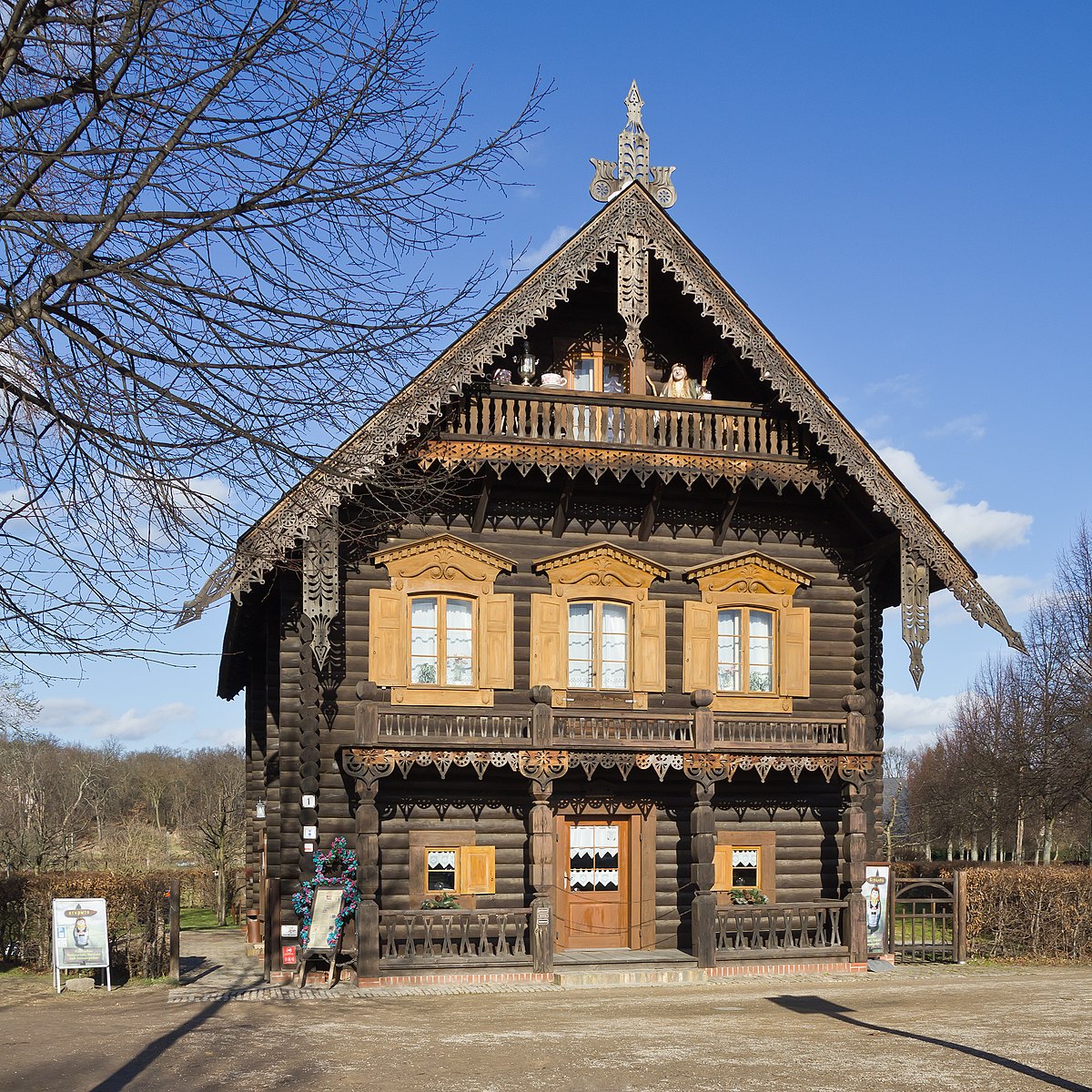
Located in the picturesque city of Potsdam, Germany, Alexandrowka is an intriguing architectural ensemble that reflects a unique blend of Russian and …

Alte Burg Penzlin
📍 Brandenburg, Germany
Alte Burg Penzlin, a captivating castle located in the quaint town of Penzlin, Germany, serves as a remarkable example of medieval architecture and …

Alte Dorfkirche Röxe
📍 Brandenburg, Germany
The Alte Dorfkirche Röxe stands as a poignant symbol of architectural and cultural history in the Stendal region of Germany. This church building, …
More Museums

Abbey and Altenmünster of Lorsch
📍 Baden-Württemberg, Germany
The Abbey and Altenmünster of Lorsch is a UNESCO World Heritage site located in the charming town of Lorsch, Germany. This significant cultural …
Abenteuermuseum
📍 Rhineland-Palatinate, Germany
The Abenteuermuseum, located in Germany, invites visitors to explore the wonders of adventure through its unique exhibits and engaging experiences. …

Abwasser- und Sielmuseum
📍 Hamburg, Germany
The Abwasser- und Sielmuseum, located in the heart of Hamburg-Mitte, offers a unique glimpse into the city’s historical infrastructure concerning …

Academy of Arts, Berlin
📍 Berlin, Germany
The Academy of Arts in Berlin is not just a museum; it is a prominent national institution dedicated to the advancement of the arts in Germany. …

Ackerbürgermuseum Haus Leck
📍 Hesse, Germany
Ackerbürgermuseum Haus Leck is a culturally significant museum located in Germany’s Grebenstein region, dedicated to preserving and showcasing the …

Active Museum Spiegelgasse
📍 Hesse, Germany
Active Museum Spiegelgasse is a vital institution dedicated to preserving and exploring the German-Jewish history of Wiesbaden, Germany. Located in …