Overview
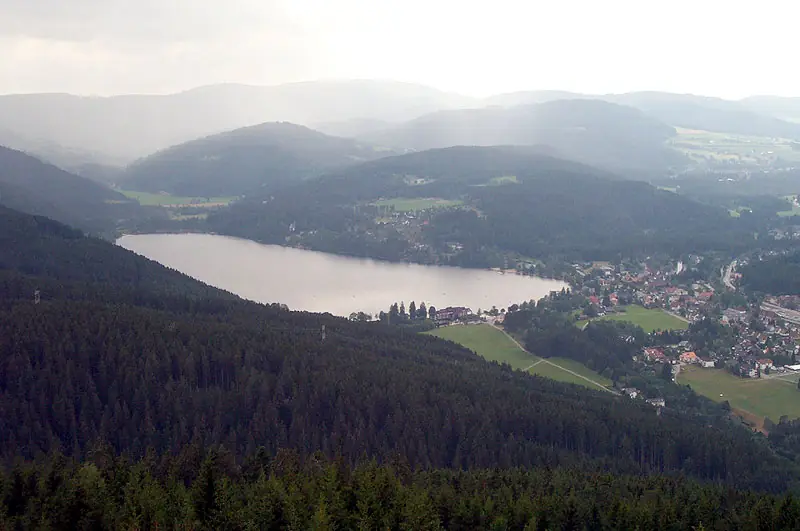
Titisee, a picturesque lake nestled in the southern reaches of Germany’s Black Forest, serves as an inviting destination for nature enthusiasts and outdoor adventurers alike. With its serene waters and surrounding forests, Titisee offers a tranquil escape from the hustle and bustle of daily life. The lake has long held significance as a recreational spot, drawing visitors who seek both relaxation and adventure amidst stunning natural beauty.
The region’s lush landscape, characterized by dense woods and rolling hills, complements the crystal-clear waters of the lake, creating an environment that is as aesthetically pleasing as it is ecologically important. Titisee is not just a visual delight; it also plays a vital role in the local culture and economy, supporting a variety of activities that connect visitors with the natural world. Whether you’re kayaking across the lake, hiking the nearby trails, or simply enjoying a leisurely stroll along the shoreline, the area promises a refreshing experience that highlights the best of the Black Forest.
History and Significance
While specific historical details about Titisee are limited, the lake has been an integral part of the Black Forest region for centuries. Its natural beauty and recreational opportunities have attracted visitors long before modern tourism developed. The area surrounding the lake has seen a gradual evolution, from being a remote natural feature to a popular destination for both locals and tourists.
Culturally, Titisee has served as a gathering place for various communities, promoting outdoor activities and fostering a connection to nature. The traditions and practices associated with the lake reflect a deep appreciation for the environment, as well as an understanding of the importance of outdoor recreation in promoting well-being. The region’s history is closely tied to its natural landscape, with the lake serving as a focal point for various local events, festivals, and recreational activities.
As tourism expanded in the 19th and 20th centuries, Titisee became increasingly recognized as a key recreational area within the Black Forest. The establishment of walking paths, boating opportunities, and other facilities has allowed visitors to engage more deeply with the lake and its surroundings. This ongoing evolution is a testament to the lake’s significance within the broader context of the region’s cultural and environmental heritage.
Architecture and Features
Titisee is primarily recognized for its natural features rather than architectural structures. The lake itself is characterized by tranquil, clear waters that extend over a considerable area, bordered by lush forests and gentle hills. Its unique setting contributes to a peaceful atmosphere that encourages relaxation and reflection.
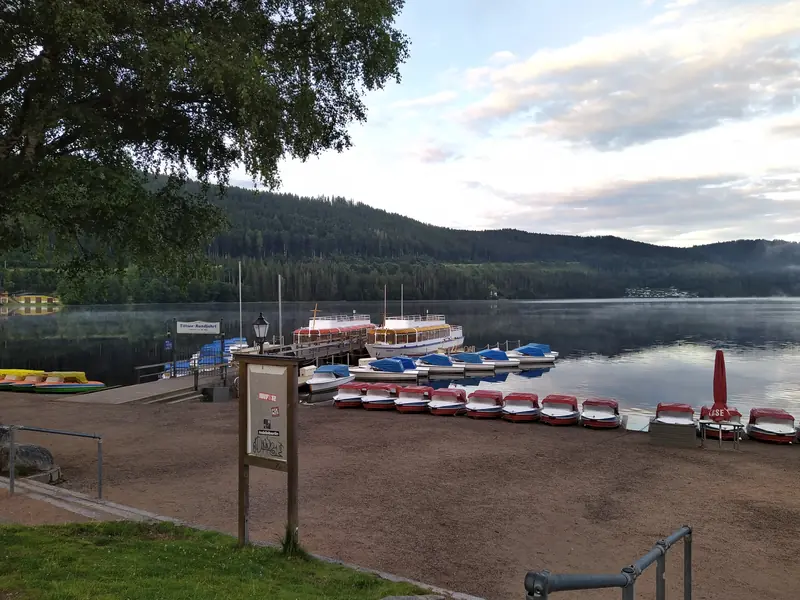
One of the notable features of Titisee is the promenade that runs along its shores, providing a scenic pathway for walkers and cyclists. This well-maintained path allows visitors to fully appreciate the stunning landscape and offers numerous vantage points for photography. In addition, the lake is equipped with facilities for various water sports, including rowing and paddleboarding, making it an active hub for outdoor enthusiasts.
The surrounding area is dotted with charming cafes and restaurants, where visitors can enjoy local cuisine while taking in views of the lake. The architecture of these establishments often reflects the traditional styles of the Black Forest region, further enhancing the area’s charm and inviting ambiance.
Visiting Information
Visiting Titisee is an enjoyable experience that can be tailored to suit various interests. The lake is accessible by multiple modes of transportation, including private vehicles and public transit options. The region is well-connected, making it straightforward for visitors to reach the lake from nearby towns and cities.
Upon arrival, visitors can expect a range of activities designed to immerse them in the natural beauty of the area. Walking paths, picnic areas, and water sports enhance the experience, allowing for both relaxation and adventure. Depending on your interests, you may wish to allocate a few hours to a full day exploring the lake and its surroundings.
For those planning a visit, it is advisable to check the official website for current information regarding hours and prices, as these can vary. The best times to visit Titisee are typically during the warmer months, when the weather is conducive to outdoor activities. Spring and summer months, in particular, attract a larger number of visitors and provide opportunities for hiking, boating, and enjoying the lush scenery.
Nearby Attractions
While Titisee is a captivating destination in its own right, the surrounding area offers several additional attractions that can enhance your visit:
Feldberg Mountain: Just a short drive from Titisee, Feldberg is the highest mountain in the Black Forest and offers hiking trails with spectacular views. In winter, it transforms into a popular skiing destination.
Badeparadies Schwarzwald: Located nearby, this indoor water park features a variety of pools, saunas, and slides, making it a great option for families or those looking for a more relaxed activity.
Schwarzwaldhochstraße: This scenic route, known as the Black Forest High Road, provides stunning views of the region and is ideal for leisurely drives, cycling, or hiking.
Triberg Waterfalls: A bit further afield, these waterfalls are among the tallest in Germany. The surrounding trails offer a wonderful opportunity to explore the natural beauty of the Black Forest.
Cuckoo Clock Workshops: The region is famous for its traditional cuckoo clocks. Several workshops nearby offer insights into the craftsmanship behind these iconic timepieces.
Insider Tips
To make the most of your visit to Titisee, consider the following insider tips:
Photography: Bring your camera to capture the stunning landscapes. Early mornings or late afternoons often provide the best lighting for photographs, avoiding the harsh midday sun.
Crowd Avoidance: Weekdays tend to be less crowded compared to weekends, especially during the peak summer months. If possible, plan your visit during the week for a more tranquil experience.
Practical Information
When preparing for your visit to Titisee, consider the following practical tips:
What to Bring: Comfortable walking shoes are essential for exploring the paths around the lake. If you plan on participating in water sports, consider bringing a swimsuit and towel.
Seasonal Considerations: The best time to visit is during the warmer months, but spring and autumn also offer pleasant weather and fewer crowds. Be prepared for varying temperatures, especially in the cooler months.
Frequently Asked Questions
How long should I spend visiting?
Many visitors find that a few hours is sufficient for a relaxing experience at Titisee, though a full day allows for more exploration and activities.
Is photography allowed?
Yes, photography is permitted and encouraged, particularly due to the scenic landscapes surrounding the lake.
Are there guided tours?
While guided tours may not be commonplace, local visitor centers often provide maps and information to help you explore the area independently.
What’s the best time to visit?
The best time to visit is generally during the warmer months from late spring to early autumn when outdoor activities are in full swing.
Is it wheelchair accessible?
Parts of the promenade around the lake are wheelchair accessible, but it is advisable to check specific paths and facilities.
Can I buy tickets online?
Ticket information typically varies by activity, so it’s best to check the official website for details on any specific attractions or services.
Are there restrooms and cafes?
Yes, there are restrooms available, and several cafes and restaurants can be found along the promenade.
What should I wear?
Dress comfortably for outdoor activities, and consider layers to accommodate changing weather conditions. Appropriate footwear is essential for exploring the trails.
Photo Gallery