Overview
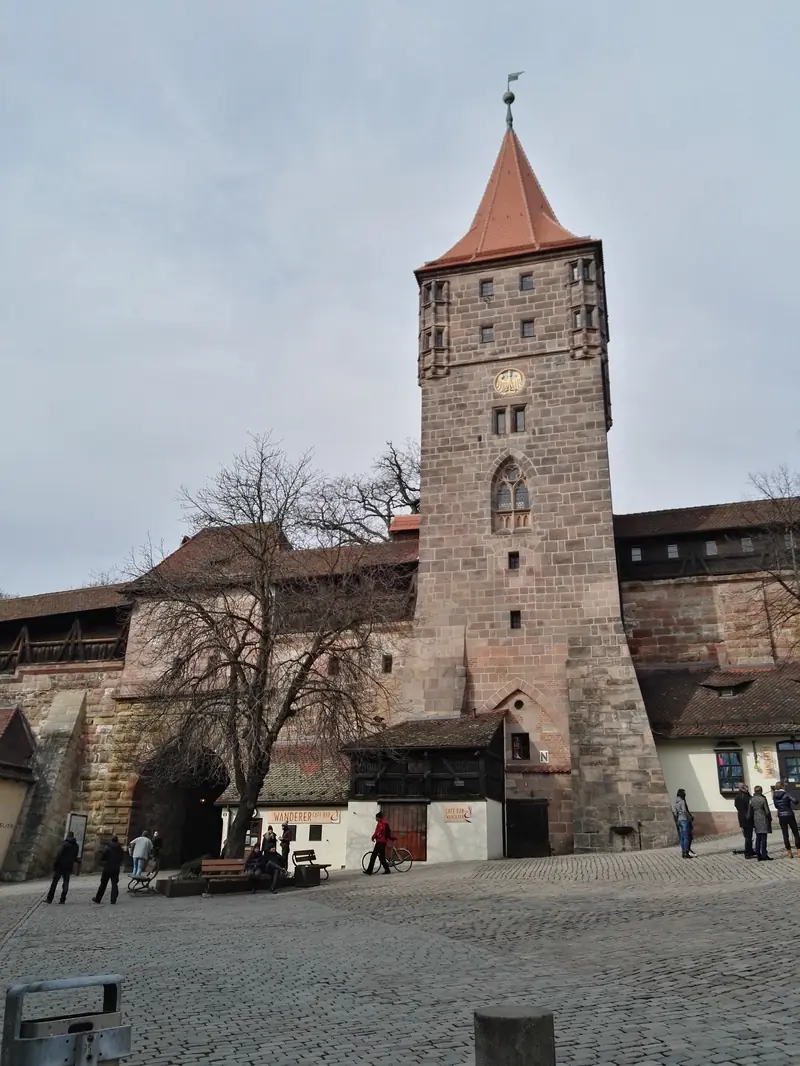
The Tiergärtnertor, an iconic gate tower in Nuremberg, Germany, serves as a striking remnant of the city’s medieval fortifications. With its rich historical context and architectural significance, the tower invites visitors to explore the layers of history that define this vibrant city. Located within the heart of Nuremberg, the Tiergärtnertor stands as a symbol of the city’s past, reflecting its strategic importance during various historical epochs. As travelers venture to this remarkable structure, they can expect not only to admire its impressive form but also to grasp the historical narratives etched into its stones.
Nuremberg, positioned in the Franconia region, is renowned for its well-preserved medieval architecture and cultural heritage. The Tiergärtnertor is part of the larger Nuremberg city wall system, which once served to protect the inhabitants and their vibrant trade. Today, this tower continues to be a focal point for both history enthusiasts and casual visitors, providing a glimpse into the architectural styles and urban planning of the past. As you approach the tower, take a moment to appreciate its role in the broader narrative of Nuremberg’s development through the centuries.
History and Significance
The history of the Tiergärtnertor is intricately linked to the defensive strategies of Nuremberg. The tower is part of the city’s historic fortifications, which were crucial for protecting the inhabitants and their commerce during times of conflict. The structure reflects the military architecture of the medieval period, showcasing the need for both defense and urban planning.
Throughout its existence, the Tiergärtnertor has witnessed significant historical events, from the flourishing of trade during the Middle Ages to the challenges faced during various conflicts. Nuremberg itself has been a central hub for trade and politics in the region, and the tower’s presence underscores its importance. The gate tower not only functioned as a defensive structure but also as a point of entry and exit for traders and travelers, facilitating the exchange of goods and ideas.
The cultural importance of the Tiergärtnertor extends beyond its physical presence. It stands as a reminder of Nuremberg’s resilience and adaptability through changing political landscapes. The architectural styles represented in the tower reflect the evolving artistic trends of the time, offering insights into the craftsmanship and engineering skills of previous generations. As such, the Tiergärtnertor is not merely a structure; it is a monument to Nuremberg’s enduring spirit and its historical significance within Germany.
Architecture and Features
The Tiergärtnertor is an exemplary representation of medieval military architecture. Its robust structure is designed to withstand external threats while providing a commanding view of the surrounding area. The tower features a sturdy stone construction, characterized by its thick walls and arched openings, which were strategically placed to enhance both defense and visibility.
One of the most notable features of the Tiergärtnertor is its tall, imposing silhouette, which dominates the skyline. This verticality not only serves a practical purpose but also contributes to the aesthetic appeal of the structure. The tower is adorned with elements typical of medieval architecture, including pointed arches and decorative stonework, which reflect the craftsmanship of the era.
Visitors can appreciate the intricacies of the stone carvings and the meticulous attention to detail that went into the construction of the tower. The design is both functional and decorative, embodying the duality of purpose that many medieval structures embraced. The strategic positioning of the Tiergärtnertor within the city walls further emphasizes its role as a key defensive point in Nuremberg’s fortifications.
Visiting Information
Visiting the Tiergärtnertor is a rewarding experience for those interested in history and architecture. The tower is easily accessible within Nuremberg’s city limits, making it a convenient stop for tourists exploring the area. While specific hours and prices may vary, it is advisable to check the official website for current information before planning your visit.
When exploring the tower, visitors can expect to spend about an hour appreciating its architectural features and the surrounding historical context. The best times to visit are during the spring and autumn months when the weather is generally pleasant, allowing for a more enjoyable experience.
Public transportation options in Nuremberg are efficient, with several tram and bus routes connecting to the city center. If you prefer to drive, there are parking facilities nearby, but be mindful of local regulations regarding parking fees and time limits.
As you visit the Tiergärtnertor, take the opportunity to explore the nearby streets, where you can find cafés and shops that offer local goods and refreshments. This area of Nuremberg is vibrant and lively, making it an excellent spot to immerse yourself in the local culture.
Nearby Attractions
Nuremberg Castle: Located just a short distance away, this historic fortress offers extensive views of the city and provides insight into Nuremberg’s royal heritage.
St. Sebaldus Church: This stunning medieval church, known for its remarkable architecture and artwork, is situated nearby and is well worth a visit.
Albrecht Dürer House: The former residence of the famous artist Albrecht Dürer, this museum showcases his life and works, adding cultural depth to your visit.
Germanisches Nationalmuseum: This museum houses a vast collection of artifacts related to German culture and history, making it a significant stop for those interested in the region’s heritage.
City Walls: A walk along the remaining sections of Nuremberg’s city walls provides a broader context of the historical defenses that once protected the city.
Insider Tips
When visiting the Tiergärtnertor, photography is encouraged, so be sure to bring your camera to capture the beautiful architecture and the surrounding landscape. Early mornings or late afternoons are the best times for photography, as the light during these hours can enhance the details of the tower’s stonework.
To avoid crowds, consider visiting during the weekdays or during off-peak seasons. This will allow for a more personal experience as you explore the historical significance of the tower without the hustle and bustle of larger tourist groups.
Practical Information
When planning your visit to the Tiergärtnertor, it’s advisable to bring comfortable walking shoes, as you may want to explore the surrounding areas on foot. Seasonal considerations are essential, too; if visiting during the winter months, dress warmly, as temperatures can drop significantly.
Be sure to have a water bottle and some snacks on hand, as you may want to take a break and enjoy the ambiance of the nearby parks or squares. Additionally, check the official website for any seasonal events or exhibitions that might coincide with your visit.
Frequently Asked Questions
How long should I spend visiting?
A visit to the Tiergärtnertor typically takes around an hour, allowing ample time to appreciate the architecture and its historical context.
Is photography allowed?
Yes, photography is allowed at the Tiergärtnertor, so feel free to capture the beauty of the tower and its surroundings.
Are there guided tours?
Check the official website for information regarding guided tours, as these may be available to enhance your understanding of the tower’s history.
What’s the best time to visit?
The best times to visit are during the spring and autumn months when the weather is pleasant, allowing for a more enjoyable experience.
Is it wheelchair accessible?
For specific accessibility information, please check the official website, as details may vary.
Can I buy tickets online?
For ticket purchasing options, please refer to the official website for current information.
Are there restrooms and cafes?
Nearby facilities may vary, but visitors can find cafés and restrooms in the vicinity of the Tiergärtnertor.
What should I wear?
Dress comfortably and consider the weather conditions. If visiting in winter, be sure to wear warm layers.



