
TIB – Leibniz Information Centre for Science and Technology and University Library
Overview
In the heart of Hanover, the TIB – Leibniz Information Centre for Science and Technology and University Library stands as a pivotal institution in the realm of knowledge, specifically focusing on engineering, technology, and natural sciences. As Germany’s national library dedicated to these fields, it plays a crucial role in supporting research and education across the country. The TIB is renowned for its extensive collection of literature, ranging from classical texts to contemporary digital resources, making it a vital hub for scholars, students, and innovators alike.
The library’s strategic location in Hanover further enhances its significance, providing easy access to a vast network of academic and research institutions. Whether you are a researcher in search of specialized literature or a curious traveler eager to explore the world of science and technology, the TIB offers a wealth of resources and an inviting atmosphere conducive to learning.
With its modern facilities and commitment to advancing knowledge, a visit to the TIB promises a unique experience where the pursuit of understanding is honored and encouraged.
History and Significance
The TIB’s origins can be traced back to a vision of creating a national library that would serve all fields of engineering, technology, and the natural sciences in Germany. As a foundation, it is specifically designed to cater to the needs of researchers and students, providing access to a vast array of resources that support scientific inquiry and innovation.
Over the years, the TIB has evolved into a central figure in the academic landscape of Germany. It has played a significant role in promoting collaboration among institutions, enhancing the accessibility of scientific literature, and facilitating the dissemination of knowledge. The library not only serves as a repository of information but also as a center for scholarly communication, offering various services to meet the needs of its diverse user base.
The TIB’s commitment to advancing science and technology extends beyond its collection. It actively engages with the academic community, hosting events, workshops, and exhibitions that foster dialogue and collaboration among scholars and practitioners. This focus on community engagement highlights the library’s dedication to being more than just a collection of books; it aspires to be an integral part of the scientific ecosystem in Germany.
Architecture and Features
The architectural design of the TIB reflects a modern approach to library spaces, combining functionality with an inviting atmosphere. The building’s layout is designed to facilitate access to information, with well-organized sections that cater to various fields of study.
Inside, visitors will find an extensive array of resources, including books, journals, and digital media. The library is equipped with modern technology, providing users with access to online databases and digital archives that complement its physical collections. The spaces are designed to encourage both individual study and collaborative work, making it an ideal environment for academic pursuits.
Natural light floods the library, enhancing the overall ambiance and creating a welcoming atmosphere for visitors. The thoughtful design promotes a sense of tranquility, allowing individuals to immerse themselves in their research without distractions.
Overall, the TIB exemplifies contemporary library design, prioritizing user experience while maintaining a focus on the preservation and dissemination of knowledge.
Visiting Information
Visiting the TIB is an enriching experience for anyone interested in science and technology. The library is situated conveniently in Hanover, making it accessible by various modes of transportation. Visitors can reach the TIB via public transport, including buses and trams, or opt for a leisurely walk through the city’s vibrant streets.
While specific hours and pricing details for entry may vary, it is advisable to check the official website for current information, as this can change based on events or seasonal considerations.
When planning your visit, expect to spend a few hours exploring the extensive collections and facilities. The TIB’s design encourages visitors to engage with the resources available, so the time spent can be tailored to individual interests and needs.
The best times to visit are typically during weekdays when the library is less crowded, allowing for a more focused experience.
Nearby Attractions
While in Hanover, visitors can explore several nearby attractions that complement a trip to the TIB:
Hannover Adventure Zoo: A short distance from the library, this zoo offers a chance to explore diverse animal exhibits in a beautifully landscaped environment.
Herrenhausen Gardens: Renowned for their stunning baroque design, these gardens provide a serene escape and a glimpse into the historical landscaping of the region.
Lower Saxony State Museum: This museum features a wide range of exhibits, from natural history to art, providing a comprehensive overview of the cultural heritage of Lower Saxony.
Marktkirche: A striking example of Gothic architecture, this church is located in the city center and offers guided tours that delve into its rich history.
Kunstverein Hannover: An art association that hosts contemporary exhibitions, this venue is perfect for those interested in modern art and cultural events.
Insider Tips
To make the most of your visit to the TIB, consider the following tips:
Photography: While photography might be allowed in certain areas, it’s best to check the library’s policy upon arrival to avoid any disruptions.
Crowd Avoidance: To enjoy a quieter atmosphere, try to visit during early mornings or later in the afternoon on weekdays, when fewer visitors are likely to be present.
Plan Your Research: If you have specific topics in mind, prepare a list of keywords or titles ahead of time to streamline your research process once you arrive.
Practical Information
When visiting the TIB, it’s advisable to bring a few essentials:
Identification: You may need to show identification to access certain resources or areas within the library.
Study Materials: Bring a notebook, laptop, or tablet for taking notes or conducting research.
Comfortable Attire: Wear comfortable clothing and shoes, as you may spend a considerable amount of time walking or sitting.
Seasonal considerations might also affect your visit. Spring and fall are particularly pleasant times to explore Hanover, with mild weather that encourages outdoor activities alongside your library visit.
Frequently Asked Questions
How long should I spend visiting?
The time spent at the TIB can vary based on individual interests, but a few hours is generally recommended to explore the collections and facilities.
Is photography allowed?
Photography policies may differ throughout the library, so it’s best to check upon arrival.
Are there guided tours?
Check the official website for current offerings regarding guided tours or educational programs.
What’s the best time to visit?
Weekdays, particularly during early mornings or late afternoons, are ideal for a quieter experience.
Is it wheelchair accessible?
The TIB is designed to be accessible, but it’s wise to confirm specific accessibility features on the official website.
Can I buy tickets online?
For information on ticket purchasing, including online options, please check the official website.
Are there restrooms and cafes?
The library typically includes restrooms and may have a café or vending options available. Check the official website for specific amenities.
What should I wear?
Comfortable clothing and shoes are recommended for a pleasant visit, allowing you to navigate the library and explore the surrounding area easily.
More in Lower Saxony

2000 Jahre Christentum
📍 Lower Saxony, Germany
The “2000 Jahre Christentum,” a prominent statue located in Brunswick, Germany, serves as a significant cultural landmark that reflects the rich …
A. Heucke
📍 Lower Saxony, Germany
A. Heucke, located in the historic town of Gatersleben in Germany’s Seeland region, represents a significant chapter in the story of industrial …

Aalto Theatre
📍 Lower Saxony, Germany
The Aalto Theatre in Essen, Germany, is a prominent cultural landmark that attracts both local and international visitors. Renowned for its …

Aasee
📍 Lower Saxony, Germany
Aasee is a picturesque lake located in the town of Ibbenbüren, Germany, serving as a popular destination for both locals and visitors alike. This …
Abgunst Mine
📍 Lower Saxony, Germany
Abgunst Mine, located in the industrial heart of Essen, Germany, is a significant heritage site that represents the country’s rich mining history. As …

Accumer Mühle
📍 Lower Saxony, Germany
Accumer Mühle is a captivating windmill located in Schortens, Germany, that showcases the remarkable engineering of traditional European mills. This …
More Foundations

Academy of the Konrad-Adenauer-Stiftung
📍 Berlin, Germany
The Academy of the Konrad-Adenauer-Stiftung, located in the heart of Berlin, is not just a foundation but a hub of intellectual discourse and …

Akademie Schloss Solitude
📍 Baden-Württemberg, Germany
Akademie Schloss Solitude is a distinguished foundation located in Stuttgart, Germany, that serves as a cultural and artistic haven for individuals …
Alerds-Stiftung
📍 Lower Saxony, Germany
Alerds-Stiftung, located in the historic city of Brunswick, Germany, represents a significant cultural and philanthropic institution dedicated to …

Alfred Wegener Institute for Polar and Marine Research
📍 Bremen, Germany
The Alfred Wegener Institute for Polar and Marine Research, located in Bremerhaven, Germany, stands as a cornerstone of scientific inquiry into the …

Bavarian Elite-Academy
📍 Bavaria, Germany
The Bavarian Elite-Academy, located in the vibrant city of Munich, Germany, is a foundation dedicated to fostering excellence in various fields of …
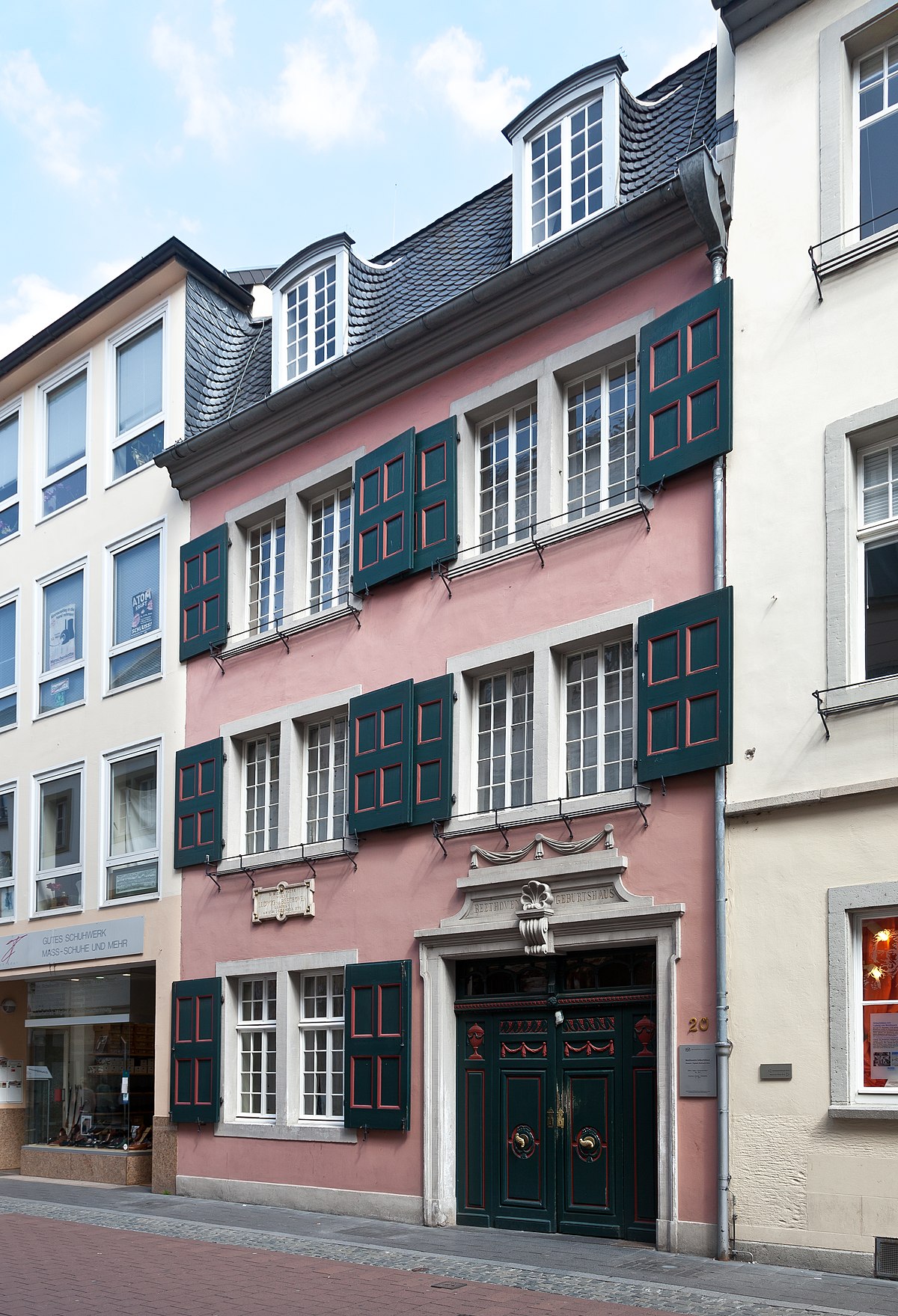
Beethoven House
📍 North Rhine-Westphalia, Germany
Beethoven House is a celebrated museum and the birthplace of Ludwig van Beethoven, one of the most influential composers in Western music history. …