Overview
Thyraborg, located in the scenic region of Schleswig-Holstein, Germany, stands as a significant historical military site, part of the larger Danewerk fortifications. This fortress encapsulates a storied past, reflecting the strategic importance of the area throughout various conflicts. Visitors to Thyraborg not only witness the remnants of ancient fortifications but also immerse themselves in the broader narrative of Germany’s military history.
The Danewerk, of which Thyraborg is a vital component, is recognized for its intricate design and historical significance. The site represents the ingenuity and resilience of the communities that built and maintained it over centuries. Situated at the coordinates 54.48921, 9.5065, Thyraborg is easily accessible and serves as an entry point for exploring the surrounding landscapes and other heritage sites.
A visit to Thyraborg promises a blend of educational experiences and scenic vistas, making it a compelling destination for history enthusiasts and casual travelers alike. As you wander through its preserved structures, the fortress invites reflection on the past, providing a unique opportunity to engage with the legacy of military architecture in Germany.
History and Significance
Thyraborg is an integral part of the Danewerk fortifications, a historic defensive line that dates back to the early Middle Ages. The Danewerk was constructed to protect the territories of Denmark from invasions and to control trade routes. While specific dates of establishment for Thyraborg are not documented, the site reflects the strategic military planning that characterized the region during its height.
The Danewerk fortifications, including Thyraborg, illustrate the complex interplay of power, defense, and territorial control in Northern Europe. As a military site, it served not only as a fortification but also as a symbol of strength for the communities that relied on it for protection. The architecture and layout were designed to withstand sieges, showcasing the advanced engineering techniques of the era.
Over the centuries, Thyraborg has witnessed numerous historical events that shaped the region. Its role in various conflicts highlights the importance of fortifications in safeguarding communities and managing territorial disputes. The continued preservation of Thyraborg allows modern visitors to grasp the significance of these historical narratives and their impact on contemporary society.
Architecture and Features
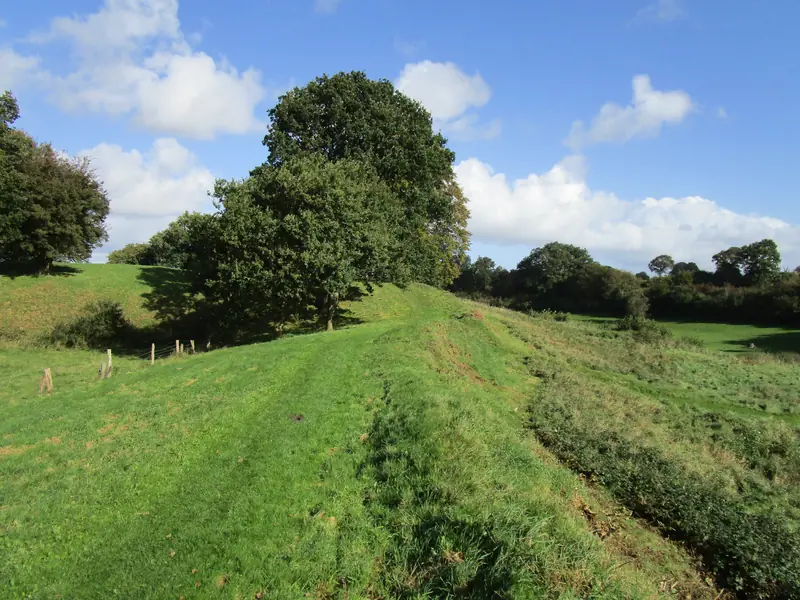
Thyraborg features a robust architectural design characteristic of medieval military fortifications. The site comprises earthen ramparts, which are typical of the structures built during the time, designed to provide a defensive advantage against potential attackers. The walls, while eroded over time, still convey the scale and strategic intent behind their construction.
The fortress layout is organized to facilitate defense, with multiple vantage points allowing for surveillance of the surrounding area. Visitors can explore the remnants of these walls, which stand as a reminder of the site’s former military significance. The earthworks, combined with the natural topography, created a formidable challenge for any would-be invaders.
Although specific architectural details are not extensively documented, the overall design reflects the military engineering practices of the medieval period. The site encourages exploration and offers a glimpse into the structural innovations of its time, making it an intriguing subject for both historical and architectural study.
Visiting Information
Reaching Thyraborg is relatively straightforward, with various transport options available. Visitors can arrive via personal vehicle or public transit, depending on their starting location. The fortress’s coordinates, 54.48921, 9.5065, can guide travelers using GPS navigation for ease of access.
Check the official website for current information regarding opening hours and entry fees, as these can vary throughout the year. Visitors are advised to allocate a sufficient amount of time to fully appreciate the site, as exploring the fortress and its surroundings can take several hours.
The best times to visit are typically during the spring and early autumn months when the weather is mild, enhancing the experience of walking through the historic site. Additionally, these seasons are ideal for enjoying the natural beauty surrounding Thyraborg.
Expect to encounter educational signage that provides insights into the history and significance of the fortress. Facilities may vary, so it is advisable to prepare accordingly for a comfortable visit.
Nearby Attractions
Thyraborg is conveniently located near several other notable sites that enrich the heritage experience in the region. Consider exploring the following attractions:
Danewerk Museum: This museum is dedicated to the history of the Danewerk fortifications, offering detailed exhibits and artifacts that illuminate the significance of the site.
Südschleswigsche Landschaft: A scenic area perfect for hiking and enjoying the natural landscapes of Schleswig-Holstein, providing a balance of history and nature.
Schleswig Cathedral: Known for its stunning architecture and historical significance, this cathedral is a short drive from Thyraborg and offers a glimpse into the region’s religious heritage.
Haithabu Viking Museum: Located nearby, this museum showcases the Viking history of the area, presenting interactive exhibits and reconstructions that bring the past to life.
Flensburg: A charming town with a rich maritime history, offering a variety of cultural experiences, shops, and dining options.
Insider Tips
For those planning a visit to Thyraborg, consider timing your trip during weekdays to avoid larger crowds, which can be more prevalent on weekends. Early morning visits can also provide a more peaceful experience as you explore the fortress grounds.
Photography enthusiasts will find ample opportunities to capture the fortress’s unique features. The natural light during the early hours or late afternoon can enhance the visual appeal of your photographs. Be mindful of the surroundings and respect any guidelines regarding photography.
Practical Information
When visiting Thyraborg, it is advisable to wear comfortable shoes suitable for walking on uneven terrain. The fortress may require some exploration on foot, and appropriate footwear will enhance your experience.
Seasonal considerations are essential; during the colder months, dress in layers to ensure comfort while exploring the outdoor site. Conversely, warmer months may call for sun protection, including hats and sunscreen, especially if you plan to spend extended periods outside.
Bringing along water and snacks is recommended, as facilities may be limited. Always check the official website for the latest information on amenities available on-site.
Frequently Asked Questions
How long should I spend visiting?
Visitors typically spend around two to three hours exploring Thyraborg and its surroundings, allowing ample time to appreciate the historical and architectural features.
Is photography allowed?
Yes, photography is generally allowed at Thyraborg. However, be respectful of any posted guidelines regarding photography.
Are there guided tours?
Check the official website for information on guided tours, as these may be available during certain times of the year or by appointment.
What’s the best time to visit?
The best times to visit Thyraborg are during the spring and early autumn months when the weather is pleasant for outdoor exploration.
Is it wheelchair accessible?
Information regarding wheelchair accessibility may vary, so it’s best to check the official website for the latest updates.
Can I buy tickets online?
For ticket purchasing options, check the official website for current information on availability and online sales.
Are there restrooms and cafes?
Facilities may be limited, so it’s advisable to check the official website for details on restrooms and nearby dining options.
What should I wear?
Wear comfortable clothing and suitable footwear for walking on uneven terrain. Dressing in layers is recommended for seasonal considerations.