Overview
The Thüringer Wald Biosphere Reserve, located in the heart of Thuringia, Germany, is a remarkable natural site that showcases the intricate relationship between humans and nature. This UNESCO Biosphere Reserve is more than just a protected area; it serves as a living laboratory for sustainable development and conservation practices. As you explore this diverse ecosystem, you’ll encounter lush forests, vibrant wildlife, and a rich cultural heritage that has evolved over centuries.
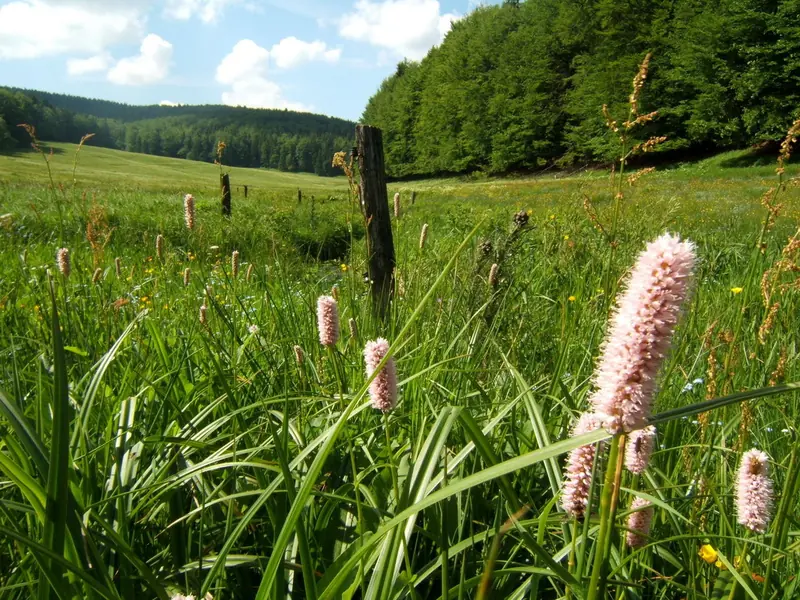
Situated at coordinates 50.36, 10.48, the reserve encompasses a variety of landscapes that create a unique habitat for numerous species. The interplay of elevation, climate, and soil types within the reserve contributes to its ecological richness, making it a vital area for both biodiversity and scientific research.
Why does this place matter? The Thüringer Wald Biosphere Reserve is significant not only for its stunning natural beauty but also for its role as a model for integrating ecological preservation with human activity. Visitors can expect to discover scenic hiking trails, educational programs, and opportunities to witness conservation efforts firsthand. Whether you’re an avid hiker, a nature enthusiast, or someone interested in sustainable practices, the reserve offers a wealth of experiences to enrich your understanding of the environment.
History and Significance
The history of the Thüringer Wald Biosphere Reserve reflects a long-standing relationship between the local communities and the surrounding landscape. Over the centuries, this area has been shaped by human activity, from traditional forestry practices to modern conservation efforts. The biosphere reserve was established to promote sustainable land use while preserving the unique ecological characteristics of the region.
Historically, the forests of Thüringer Wald have been a source of timber and other resources, which have played a crucial role in the local economy. As industrialization progressed, the need to balance economic growth with environmental preservation became increasingly important. The establishment of the reserve represents a commitment to maintaining this balance, allowing for both recreational use and the protection of biodiversity.
Culturally, the Thüringer Wald has inspired countless artists, writers, and philosophers throughout history. The area’s natural beauty, combined with its rich folklore and traditions, adds to its significance. The biosphere reserve now serves as a hub for education and research, emphasizing the importance of sustainable practices in protecting natural resources.
Architecture and Features
While the Thüringer Wald Biosphere Reserve is primarily known for its natural features, it also encompasses a variety of architectural styles that reflect the region’s cultural history. The interaction between natural landscapes and human-made structures creates a visually distinctive environment. Visitors can explore the charming villages and traditional buildings that dot the landscape, each telling a story of the area’s heritage.
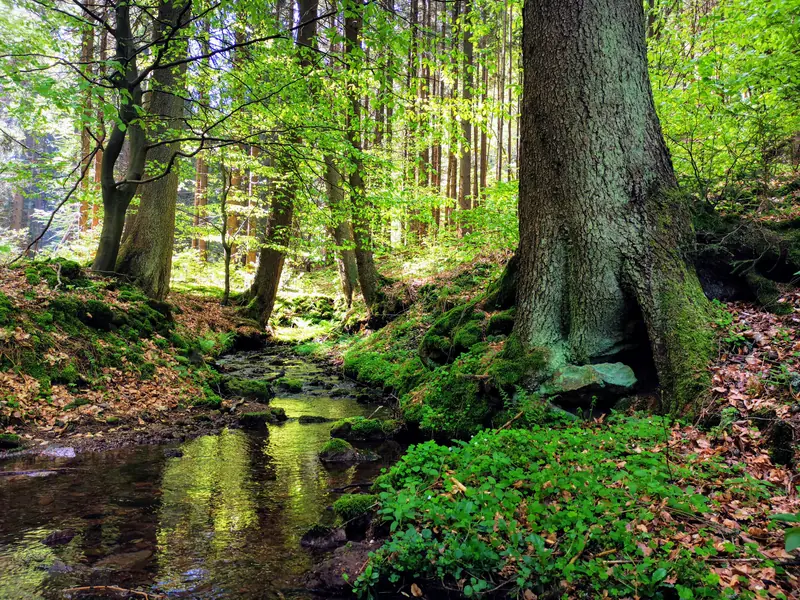
The reserve’s forests are characterized by a mix of deciduous and coniferous trees, creating a vibrant tapestry of colors throughout the seasons. Notable features include well-maintained trails that allow visitors to immerse themselves in the serene surroundings. These paths wind through dense woodlands, offering glimpses of the diverse wildlife that inhabits the area.
As you traverse the reserve, look for educational signage that provides insight into the local flora and fauna. These installations serve to enhance your understanding of the ecosystem, highlighting the delicate balance that sustains this biosphere. The combination of natural and cultural elements makes the Thüringer Wald an engaging destination for those interested in both environmental and historical exploration.
Visiting Information
Getting to the Thüringer Wald Biosphere Reserve is relatively straightforward, with various transport options available in the surrounding area. Whether you choose to drive or use public transportation, the reserve is accessible for those eager to explore its natural wonders.
Hours: Check the official website for current opening hours.
Prices: Visit the official website for current admission prices.
When you arrive, expect a visitor experience that celebrates nature and education. The biosphere reserve offers a range of activities, including guided tours, hiking trails, and informational exhibits. Most visitors spend about 1-2 hours exploring the area, making it a perfect half-day trip or an addition to a longer journey through Thuringia.
The best times to visit are in the morning when the trails are less crowded and during the spring or fall when the weather is typically mild. Accessibility should be considered, especially if you have specific needs; check with the site directly for the latest information on facilities and services.
Nearby Attractions
While the Thüringer Wald Biosphere Reserve is a destination in itself, several nearby attractions complement your visit:
Veste Coburg: This historical fortress offers stunning views and a glimpse into regional history, featuring exhibits on art and culture.
Erfurt: The capital of Thuringia, Erfurt is known for its well-preserved medieval architecture, including the iconic Krämerbrücke (Merchant’s Bridge) and the impressive Erfurt Cathedral.
Weimar: A UNESCO World Heritage site, Weimar is famous for its cultural significance, home to influential figures such as Goethe and Schiller. The town is rich in museums and historical buildings.
Bach’s House: Located in Eisenach, this museum is dedicated to the life and works of composer Johann Sebastian Bach, offering a unique cultural experience in the region.
Hainich National Park: Just a short distance from the biosphere reserve, this national park features ancient beech forests and offers various outdoor activities, including hiking and wildlife observation.
Insider Tips
For the best photography opportunities, consider visiting during the golden hours of early morning or late afternoon when the light casts a warm glow over the landscape. Look for lesser-known trails that may lead to quieter spots away from the main paths, offering unique perspectives of the reserve’s beauty.
To avoid crowds, plan your visit during weekdays or off-peak seasons. Engaging with local guides can provide insights into hidden features and lesser-known facts about the flora and fauna of the area.
Practical Information
To make the most of your visit to the Thüringer Wald Biosphere Reserve, here are some practical tips:
What to bring: Comfortable walking shoes, a water bottle, and a camera for capturing the scenery are essential. A map or a smartphone with GPS can also enhance your experience.
Seasonal considerations: Be mindful of seasonal changes; spring and fall offer pleasant weather, while summer can be warm and winter may bring snow, affecting trail accessibility.
Whether you are a nature lover, a history enthusiast, or simply looking for a peaceful retreat, the Thüringer Wald Biosphere Reserve provides an enriching experience that deepens your connection to the natural world.
Frequently Asked Questions
How long should I spend visiting?
Most visitors spend 1-2 hours exploring the Thüringer Wald Biosphere Reserve. This allows ample time to hike along the trails, enjoy the scenery, and engage with the educational exhibits.
Is photography allowed inside?
Yes, photography is generally allowed throughout the Thüringer Wald Biosphere Reserve. Just be mindful of any specific areas that may have restrictions.
Are there guided tours available?
Guided tours may be available, but it’s best to check the official website or contact the site directly for the latest information regarding tour offerings.
What’s the best time of day to visit?
Visiting in the morning is recommended, as trails tend to be less crowded and wildlife is often more active during this time.
Is the site wheelchair accessible?
For detailed information on accessibility, including wheelchair access, contact the site directly for the latest information.
Can I buy tickets online?
Check the official website for current admission prices and ticket purchasing options.
Are there facilities like restrooms and cafes?
Facilities may be available; check the official website for the latest information regarding amenities on-site.
What should I wear when visiting?
Dress in comfortable, weather-appropriate clothing and sturdy footwear, as you’ll likely be walking on trails and uneven surfaces.
Photo Gallery