Overview
Thorsberg Moor, an archaeological site in northern Germany, holds a treasure trove of historical significance that connects us to the Iron Age. This bog site is remarkable not only for its well-preserved artifacts but also for the insights it provides into ancient societies. As you explore the moor, the soft earth beneath your feet whispers stories of lives lived long ago, while the damp air carries the scent of the surrounding landscape, a blend of flora unique to such bog environments.
Located at coordinates 54.6423, 9.77189, Thorsberg Moor emerges from a landscape that is both moody and serene. The vast expanse of the bog, with its intriguing geological features, creates a unique ecosystem that has preserved remnants of human activity for centuries. This site serves as a crucial link to understanding the cultural practices, rituals, and daily lives of the people during the Iron Age. Visitors to Thorsberg Moor will discover a place where the remnants of ancient rituals and day-to-day life are frozen in time, offering a rare glimpse into the past.
History and Significance
Thorsberg Moor is not just an archaeological site; it is a narrative of human experience that dates back to the Iron Age. Over centuries, this area has accumulated layers of history, largely due to its unique environmental conditions which have preserved organic materials that would otherwise decay. The bog has yielded a variety of artifacts, including textiles and wooden objects, providing researchers with invaluable insights into the social structure, craftsmanship, and ceremonial practices of the time.
Archaeological findings at Thorsberg Moor have revealed evidence of ritualistic sacrifices and daily life activities. These finds suggest that the moor may have played a significant role in the spiritual and cultural practices of the people who inhabited the region. The artifacts unearthed here, such as weapons and tools, indicate a complex society with advanced skills in craftsmanship and a deep connection to their environment.
The significance of Thorsberg Moor extends beyond its artifacts; it offers a window into the environmental conditions and challenges faced by Iron Age communities. The preservation of organic materials has allowed scientists to analyze pollen and other biological data, leading to a better understanding of the climate and ecological changes over time. This information is crucial for understanding how ancient societies adapted to their surroundings and interacted with the landscape.
Architecture and Features
As an archaeological site, Thorsberg Moor does not exhibit traditional architectural features like buildings or monuments. Instead, its significance lies in the remnants of human activity preserved in the bog. Visitors can expect to see the layers of peat and other organic materials that have accumulated over time, creating a unique landscape that reflects the passage of history.
The site features various artifacts, including textiles and wooden items, that showcase the craftsmanship of the Iron Age. These materials often reveal intricate designs and functional forms, reflecting the daily lives and cultural practices of the people who once inhabited this area. When exploring the moor, pay attention to the interpretive signs that explain the significance of these finds, providing context to the items and their uses.
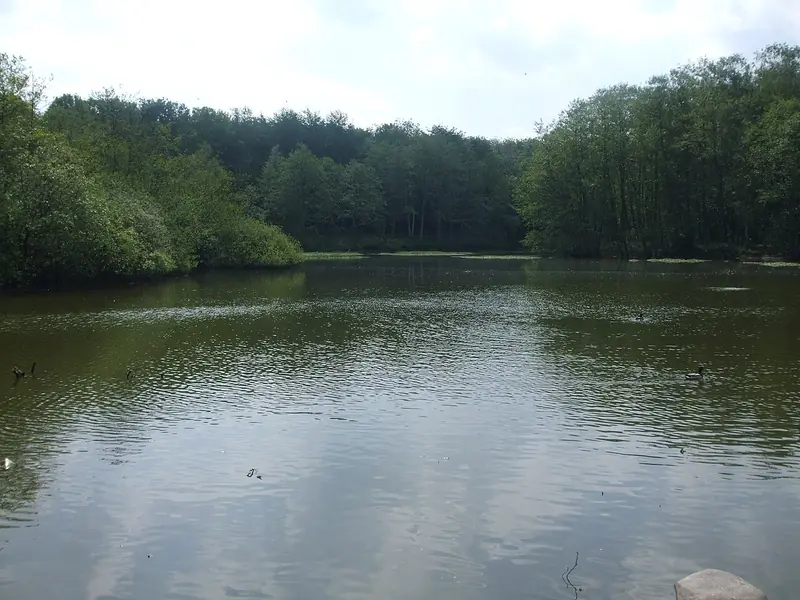
The visual distinctiveness of Thorsberg Moor lies in its natural beauty, characterized by the rich, dark peat and the colors of the surrounding flora. The landscape is often shrouded in mist, adding an air of mystery to the site. This atmospheric setting enhances the experience of visiting, allowing you to imagine the lives of those who once walked this very ground.
Visiting Information
Getting to Thorsberg Moor is relatively straightforward, as it is situated in northern Germany. While specific transportation options are not detailed here, visitors can expect to find access via regional transport links or by car.
Check the official website for current opening hours and visit the official website for current admission prices. Your visit to Thorsberg Moor can typically take around 1 to 2 hours, depending on your interest in the artifacts and the surrounding landscape.
For a more serene experience, consider visiting in the morning, when the site is less crowded, or during the spring and fall when the weather is more temperate. Accessibility details are not provided, so it is advisable to contact the site directly for the latest information regarding visitor facilities and access.
Nearby Attractions
While visiting Thorsberg Moor, you may want to explore other attractions in the nearby area. Here are a few suggestions:
Archaeological Museum: A museum that complements your visit to Thorsberg Moor with exhibits on regional archaeology and history, showcasing further findings from the Iron Age.
Nature Reserves: The surrounding landscape includes nature reserves that offer opportunities for hiking and observing local wildlife, ideal for nature enthusiasts.
Historical Sites: Nearby historical sites may provide additional context to the region’s past, allowing you to deepen your understanding of the cultural heritage of northern Germany.
Local Markets: Visit local markets to experience regional culture and cuisine, offering a taste of traditional foods and crafts.
Insider Tips
To make the most of your visit to Thorsberg Moor, consider the following tips:
Best Photography Spots: Early morning light can create a magical atmosphere, perfect for photography. Look for low angles that capture the texture of the bog and its artifacts.
Lesser-Known Details: Pay attention to the interpretive signage, which may provide insights into specific artifacts that are often overlooked by casual visitors.
Avoiding Crowds: Early visits can help you avoid larger groups and allow for a more personal experience with the site.
Local Tips: If possible, connect with local guides who can offer deeper insights and stories about the moor and its historical significance.
Practical Information
When planning your visit to Thorsberg Moor, consider these practical details:
What to Bring: Dress in layers, as the weather can change quickly in the area. Comfortable walking shoes are essential for navigating the boggy terrain.
Seasonal Considerations: The moor can be wet, so be prepared for muddy conditions, especially after rain. Visiting during drier seasons can enhance your experience.
Visitor Facilities: Specific facilities such as restrooms and cafes are not detailed, so it’s best to contact the site directly for the latest information.
Frequently Asked Questions
How long should I spend visiting?
You should plan to spend about 1 to 2 hours at Thorsberg Moor, allowing ample time to explore the artifacts and read the interpretive signage.
Is photography allowed inside?
Photography policies can vary, so it is advisable to check the official website for current guidelines regarding photography at the site.
Are there guided tours available?
Details on guided tours are not provided, so it’s best to contact the site directly for information on any available tour options.
What’s the best time of day to visit?
The early morning is often the best time to visit, as it tends to be less crowded, allowing for a more intimate experience with the site.
Is the site wheelchair accessible?
Accessibility information is not provided, so it is recommended that you contact the site directly for the latest access details.
Can I buy tickets online?
Current ticket purchasing options are not specified; check the official website for information on ticket sales and reservations.
Are there facilities like restrooms and cafes?
Specific facilities are not detailed, so it is advisable to contact the site directly for information regarding restrooms and food options.
What should I wear when visiting?
Dress comfortably and in layers to adapt to changing weather conditions, and wear sturdy shoes suitable for walking on uneven terrain.



